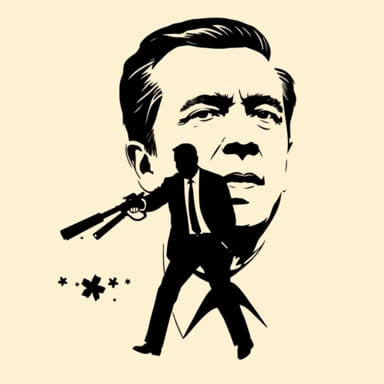
On May 15, 1972, George Wallace, the Governor of Alabama known for his staunch segregationist views, survived an assassination attempt that would change his life and political career forever. The shooting occurred during Wallace’s campaign for the Democratic presidential nomination, a critical moment in American political history. This violent event shocked the nation and had profound implications for Wallace’s future and the broader civil rights movement. Understanding the context, details, and aftermath of the assassination attempt is essential to grasp its significance in American political and social history.
Background of George Wallace
George Wallace was a controversial figure in American politics, especially known for his strong opposition to racial integration during the civil rights era. As governor of Alabama, Wallace famously declared segregation now, segregation tomorrow, segregation forever, making him a symbol of resistance to racial equality. Despite this, he had a significant political base and ran for president multiple times, aiming to appeal to voters who felt alienated by the rapid social changes occurring in the 1960s and early 1970s.
By 1972, Wallace was campaigning for the presidency as a Democrat. His platform continued to emphasize law and order and opposition to federal civil rights enforcement, attracting both support and fierce opposition. It was during this campaign that the assassination attempt took place.
The Day of the Assassination Attempt
On the afternoon of May 15, 1972, Wallace was campaigning at the Laurel Shopping Center in Laurel, Maryland. As he shook hands and greeted supporters, Arthur Bremer, a 21-year-old man, fired a pistol at him multiple times. Wallace was hit by four bullets, which caused severe injuries. The attack was sudden and violent, instantly transforming Wallace’s life.
- Wallace was shot in the chest, abdomen, and arm.
- He was immediately rushed to the hospital and underwent extensive surgery.
- The injuries left him paralyzed from the waist down.
- The attack shocked his supporters and political opponents alike.
Arthur Bremer’s motivations for the shooting were later examined in detail. He reportedly wanted to gain notoriety by assassinating a public figure and targeted Wallace because of his national prominence. Bremer was arrested at the scene and later sentenced to 63 years in prison.
Impact on George Wallace’s Life
The physical consequences of the shooting were devastating. George Wallace was left paralyzed and required the use of a wheelchair for the rest of his life. His injury severely limited his mobility but did not end his political career. Wallace continued to be active in politics, including running for governor of Alabama again and serving additional terms in office.
The attempt on his life also had psychological and political effects. Wallace’s public image shifted as he became a symbol of resilience to some and a reminder of the intense polarization in American politics to others. His campaign for the presidency, however, was significantly impacted, as his injuries limited his ability to campaign vigorously.
Political Repercussions
Following the shooting, Wallace’s stance on some issues softened over time. He publicly apologized for some of his earlier segregationist rhetoric and attempted to reach out to African American voters. This change was partly influenced by his personal experiences after the shooting and the evolving political landscape of the 1970s.
Nevertheless, Wallace remained a polarizing figure. The assassination attempt highlighted the deep divisions in the country related to race, civil rights, and politics. The event also underscored the dangers faced by public figures, especially during times of social upheaval.
- The assassination attempt diminished Wallace’s chances of winning the presidency in 1972.
- It increased security measures for political candidates nationwide.
- Wallace’s subsequent political campaigns reflected a more moderate tone.
- The incident became a significant moment in discussions about political violence in the U.S.
The Broader Historical Context
The attempted assassination of George Wallace took place during a turbulent era in American history. The civil rights movement had made significant gains, but resistance and backlash persisted. Political violence was not uncommon, with other high-profile assassinations in the 1960s, including those of Martin Luther King Jr. and Robert F. Kennedy.
Wallace’s shooting represented the volatile intersection of race, politics, and violence. His opposition to desegregation had earned him fierce enemies, but the attack also revealed how political extremism and personal grievances could lead to violence. The event contributed to national debates about security, mental health, and political discourse.
Arthur Bremer and Motives
Arthur Bremer, the man who shot Wallace, was a loner who sought fame through a violent act. His diary, published after the shooting, revealed a troubled mind and a desire to be remembered. Bremer’s actions were not motivated solely by political ideology but also personal frustration and alienation.
This combination of political target and personal motive made the assassination attempt unique. It brought attention to the dangers of extremism and the importance of protecting democratic processes from violence.
Legacy of the Assassination Attempt
The assassination attempt on George Wallace remains a significant event in American political history. It is remembered not only for its immediate impact on Wallace’s life but also for what it symbolized about the era’s conflicts. The attack demonstrated the intensity of political and social tensions in the United States during the early 1970s.
Wallace’s survival and continued political activity showed resilience, while the nation grappled with how to prevent such acts in the future. The shooting led to increased security protocols for public officials and raised awareness about political violence.
- The incident is studied as part of the history of political violence in the U.S.
- It contributed to changes in how security was managed for politicians.
- Wallace’s transformation in political rhetoric influenced later generations.
- The event highlighted the consequences of divisive politics.
The George Wallace assassination attempt was a pivotal moment that reflected the social and political turmoil of its time. The attack on a figure so emblematic of segregationist politics shocked the nation and had lasting effects on Wallace’s life and career. It also underscored the dangers inherent in political extremism and the volatile nature of American society during the early 1970s. Understanding this event provides insight into the challenges faced by a nation struggling to move beyond its divisions and the importance of safeguarding democratic values against violence.