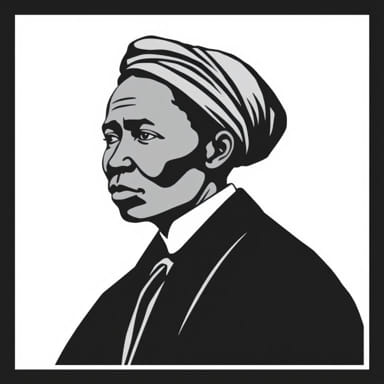
Harriet Tubman remains one of the most remarkable figures in American history, renowned for her work as a conductor on the Underground Railroad and her role in the abolitionist movement. Understanding Tubman’s life and legacy requires careful examination of the primary sources that document her extraordinary contributions. These firsthand records offer insight into her courage, determination, and the social conditions of her time. They serve as vital tools for historians and educators striving to construct a more complete picture of her life beyond legend or myth.
What Are Primary Sources?
Primary sources are original documents or physical objects created during the time under study. They include letters, government records, autobiographies, photographs, interviews, and newspaper topics. In the case of Harriet Tubman, primary sources provide authentic evidence of her life and the impact she had on others.
Types of Primary Sources on Harriet Tubman
The study of Tubman’s life is complicated by the fact that she was born into slavery and remained illiterate throughout her life, which limited her ability to produce personal writings. However, several key primary sources exist that illuminate her life and work:
- Government and military records
- Interviews and testimonies
- Contemporary newspaper topics
- Letters from contemporaries
- Legal documents
Military and Government Documents
One of the most reliable primary sources about Harriet Tubman comes from her involvement with the Union Army during the Civil War. Tubman served as a nurse, cook, scout, and even a spy. Official military documents, such as pay records and reports from Union officers, document her contributions during this period.
For instance, a pivotal document was her pension application, submitted later in life. The pension file, which includes affidavits and statements from individuals who served with her, provides detailed accounts of her wartime service. Though initially denied, Tubman eventually received a government pension for her work, further verifying her significant role in the military campaign.
Interviews and Testimonies
Since Tubman could not write her own autobiography, others recorded her story through interviews. Sarah H. Bradford’s books, especiallyScenes in the Life of Harriet Tubman(1869) andHarriet, the Moses of Her People(1886), are considered essential sources of Tubman’s life. Although technically secondary sources due to Bradford’s authorship, they contain direct transcriptions of Tubman’s words, placing them close to the realm of primary documentation.
Additionally, testimonies collected from individuals who knew Tubman personally or worked with her on the Underground Railroad provide compelling insights. These include accounts from abolitionists like William Still, who documented escapees and provided logistical support to the freedom network in Philadelphia. His records, which mention Tubman by name, serve as valuable primary evidence of her Underground Railroad activity.
Newspaper topics and Public Records
Harriet Tubman’s efforts were occasionally covered in Northern newspapers during her lifetime. topics in publications such asThe LiberatorandThe New York Tribunedescribed her as a heroic figure in the fight against slavery. These contemporary reports offer rare glimpses into how Tubman was viewed by the media and public during the mid to late 19th century.
Public records, such as census data and court cases, also provide essential information. For example, property ownership documents show that Tubman owned land in Auburn, New York. This fact not only reveals her status after emancipation but also highlights her role in creating a secure home for the elderly and freed African Americans.
Letters from Contemporaries
Though Tubman herself did not write letters, she received correspondence from important abolitionist figures. Letters written by Frederick Douglass and others who supported her mission are rich in historical value. In a famous letter, Douglass acknowledged Tubman’s bravery and tireless service, stating that her work was more heroic than his own because of the secrecy and danger it involved.
Such letters affirm Tubman’s prominence in the anti-slavery movement and validate her influence in shaping American ideals of liberty and justice. These communications are stored in archives and often referenced in scholarly research to demonstrate Tubman’s reputation among her peers.
Legal Documents and Court Records
Tubman’s activism did not end with the Underground Railroad or her Civil War service. In her later years, she was involved in legal proceedings, especially related to her pension and property. The legal documents associated with these cases reveal both her persistence and the bureaucratic obstacles she faced, even after decades of service to her country.
These court records are essential for understanding how Tubman navigated post-war America as a Black woman and a veteran. They offer insights into the systemic challenges that persisted despite her status as a national hero.
Preservation of Primary Sources
Many of the primary sources related to Harriet Tubman are preserved in national archives, libraries, and historical societies. The Library of Congress, the National Archives, and the Harriet Tubman Home in Auburn, New York, house some of these invaluable materials. Efforts to digitize these records are ongoing, increasing accessibility for scholars and the general public alike.
Challenges in Tubman Research
Despite the available primary sources, researching Harriet Tubman comes with challenges. Because she was born into slavery in the early 1820s exact records of her birth do not exist. Her illiteracy, common among enslaved individuals, means that much of what we know about her comes through intermediaries. As such, historians must piece together her life from scattered, indirect evidence, always mindful of potential bias or mythologizing.
Primary sources on Harriet Tubman provide a foundation for understanding her life, achievements, and the turbulent era in which she lived. From military records and interviews to court documents and letters from fellow abolitionists, these resources are essential to constructing a true and respectful narrative of her impact. Tubman’s legacy as a conductor of the Underground Railroad and a tireless advocate for freedom and justice lives on through these enduring documents. By studying these sources, we not only honor her memory but also gain a deeper appreciation for the resilience and courage that defined her remarkable journey.