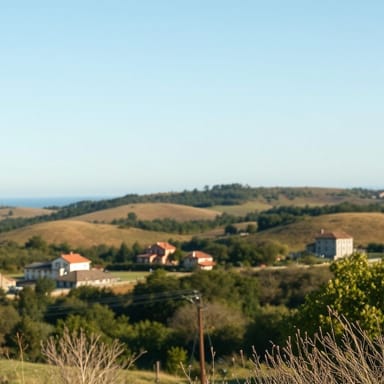
In the view of a scene that is shot from a considerable distance, a unique visual language emerges. This type of cinematography invites the audience to step back and observe rather than engage directly. Unlike close-ups or mid-shots that create intimacy and focus, distant shots offer context, scale, and atmosphere. They give meaning to setting, space, and character placement. Whether used in epic landscapes, battle sequences, or contemplative narratives, these shots expand the audience’s perspective, providing more than just visual data they evoke emotion, tone, and interpretation.
Understanding the Distant Shot
In film terminology, a shot taken from a considerable distance is commonly referred to as a ‘long shot’ or ‘wide shot.’ This technique frames the entire subject in relation to its surroundings. It might include landscapes, architectural elements, or crowd scenes. The purpose of a distant shot is often to show scale, establish geography, or emphasize isolation and vastness.
Types of Distant Shots
- Establishing shot: Sets the scene and location.
- Extreme long shot: Places characters in large environments like mountains or cities.
- Overhead or aerial shot: Offers a bird’s-eye view, often used for dramatic impact.
These variations help directors communicate mood, time of day, and the relationship between characters and their environment.
Purpose and Function in Storytelling
Distant shots are not just technical choices; they carry narrative weight. When a filmmaker pulls the camera far from the action, it alters how the viewer processes information. The emotional closeness diminishes, yet a deeper awareness of the environment and thematic significance is often achieved. In many cases, this kind of framing enhances the feeling of vulnerability, loneliness, or grandeur.
Creating Emotional Distance
One of the most effective uses of a distant shot is to underscore emotional detachment. By not inviting the viewer into the character’s personal space, the director reinforces a sense of detachment or helplessness. For example, a long shot of a character walking alone in a desert can signify introspection, struggle, or insignificance within the universe.
Enhancing Scale and Spectacle
Epic films often use long-distance shots to portray scale. From war films to fantasy epics, wide visuals showcase the magnitude of events. Consider how films like *Lawrence of Arabia* or *The Lord of the Rings* use sweeping desert or mountain landscapes to amplify storytelling. These moments are not merely for spectacle they help ground the narrative in a believable world.
Technical Considerations in Distant Shots
Shooting from a considerable distance involves several challenges. Camera lenses, lighting, and motion all impact the effectiveness of the shot. Filmmakers often rely on telephoto lenses to compress space and capture detail without moving closer. Additionally, lighting must be managed carefully, as natural light or artificial sources affect mood and visibility at such scales.
Camera Movement
While a static distant shot can feel contemplative, incorporating camera movement like pans, tilts, or drone footage can introduce dynamism. A slow aerial tracking shot, for example, might follow a character through a valley, maintaining distance while guiding the viewer’s attention.
Sound Design and Score
Because distant shots often lack close-up facial emotion, sound design plays a crucial role. A subtle soundtrack or ambient sound can help bridge the emotional gap. Whether it’s the howling wind, distant gunfire, or a soft piano melody, audio enhances the visual tone and emotional impact.
Symbolism and Metaphor in Wide Framing
A scene shot from a considerable distance can serve as a metaphor. It may reflect emotional alienation, power dynamics, or existential themes. Directors like Stanley Kubrick and Andrei Tarkovsky used distant framing to suggest deeper meanings, from man’s isolation in the cosmos to the insignificance of human ambition.
Isolation and Vulnerability
When a character appears small within the frame, it often reflects their lack of control or emotional state. Distant shots can express themes of abandonment, insignificance, or detachment more effectively than close-ups in certain narrative contexts.
Perspective and Objectivity
Long shots can also create a sense of objectivity, as if the viewer is observing from a neutral standpoint. This technique is useful in political or philosophical films, where the director wants the audience to analyze rather than empathize. It distances us from the action but encourages deeper thought.
Examples in Cinema
Classic and modern filmmakers alike have used distant shots to great effect. Here are some examples:
- Lawrence of Arabia Iconic desert shots that convey both beauty and danger.
- Children of Men Urban chaos shown from afar to reflect societal collapse.
- The Revenant Nature dominates the human experience with wide shots of forests and snowfields.
- Roma Cuarón uses static distant shots to depict routine and rhythm in daily life.
These examples show how varied and powerful this visual approach can be when matched with the right themes and pacing.
When to Use Distant Shots
Choosing when to shoot from a distance depends on the scene’s goals. If the story requires the viewer to feel removed, reflective, or observant, then this approach is ideal. It’s particularly effective in:
- Scene transitions and establishing shots
- Moments of isolation, grief, or contemplation
- High-action sequences where spatial awareness is crucial
- Philosophical or poetic storytelling
In the view of a scene that is shot from a considerable distance, filmmakers have a powerful tool for mood, narrative depth, and artistic expression. It’s more than a framing choice it’s a storytelling device that influences how an audience sees, feels, and interprets. From conveying loneliness to illustrating grandeur, the distant shot remains an essential part of cinematic language. Used thoughtfully, it creates layers of meaning that resonate far beyond the edges of the frame.