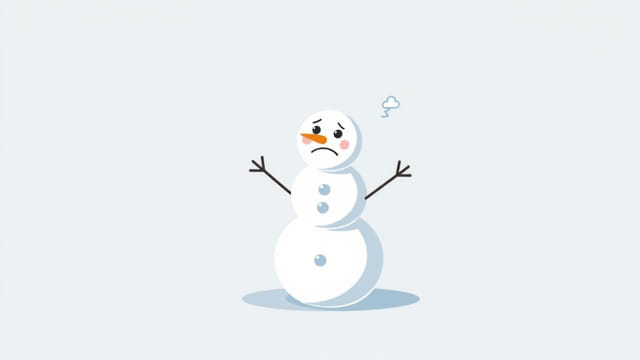
Snowmen, those charming figures made of snow, carrot noses, and coal eyes, are beloved symbols of wintertime fun. Children build them joyfully, dressing them with scarves and hats. But imagine for a moment what might worry a snowman if it had feelings. What would it fear the most? A snowman might look cheerful in your front yard, but lurking beneath that snowy smile is the threat of every winter’s end melting. From the rising sun to unexpected warm spells, many things pose an invisible danger to our frosty friend.
The Inevitable Enemy: Heat
It doesn’t take long to realize that a snowman’s greatest fear is heat. Whether from the sun, rising temperatures, or man-made sources, heat is the number one cause of a snowman’s downfall. When heat arrives, the solid snow turns to slush, and soon, the carefully crafted figure becomes a puddle of water and discarded accessories.
Sunshine
Even a little winter sunshine can spell disaster for a snowman. Sunlight, especially when direct and prolonged, begins to weaken the structure. It first affects the outer layer, but over time, the snowman’s shape begins to sag. Arms drop, facial features slide, and before long, the snowman is nothing but a memory. For a snowman, clear skies are a silent danger.
Warm Weather
Fluctuations in temperature are common in winter, but sudden warm days are terrifying to any snowman. A day above freezing, even by a few degrees, is enough to cause a snowman to lose its crisp shape. When night temperatures fall again, refreezing occurs, but it usually leaves the snowman distorted or half-melted.
Heaters and Fires
Snowmen built close to homes or pathways where heat sources are nearby often live shorter lives. Outdoor heaters, fire pits, or even warm car engines parked too closely radiate enough warmth to cause the snow to soften. These artificial heat sources are unpredictable and often go unnoticed until it’s too late for the snowman.
Rain and Moisture
Although snow is a form of moisture, additional liquid in the form of rain can rapidly degrade a snowman’s structure. Rain is sneaky; it saturates the snowman’s core and weakens its ability to hold shape. Unlike snow, which can help a snowman grow, rain erodes its base and shortens its lifespan dramatically.
Freezing Rain
Freezing rain adds a layer of ice, which might seem protective at first, but it only weighs the snowman down. This additional weight causes arms to crack and heads to fall off. The icy shell also prevents the snowman from drying out or being reshaped, trapping it in a decaying form until temperatures fall or it collapses completely.
Curious Animals
Snowmen are often decorated with tasty elements like carrots, fruits, or even cookies for a smile. While charming, these ingredients can attract hungry wildlife. A snowman’s fears include:
- Rabbits nibbling at the carrot nose
- Birds pecking at berries or buttons
- Dogs knocking over arms or chasing the hat
Animals don’t mean harm, but their curiosity can disrupt the snowman’s carefully constructed features, leaving it disfigured and vulnerable to the elements.
Children at Play
Ironically, the same children who build snowmen may also unknowingly become their worst fear. A snowball fight too close or a sled crashing into its base can be the end. Kids may also get creative and attempt to reshape the snowman, pulling off arms or hats in the process. While fun for the kids, these playful moments are serious threats to a snowman’s survival.
Neglect
Snowmen rely on consistent weather and sometimes even a little care. When forgotten, they may fall apart more quickly. Strong winds can blow off hats and scarves. Snow at the base might be shoveled away, weakening the structure. A snowman left alone is defenseless against its slow and inevitable destruction.
Protective Measures
While a snowman can’t defend itself, builders can take steps to protect their frosty creation. These might include:
- Building in shaded areas to avoid direct sunlight
- Placing snowmen away from heat sources
- Using non-edible decorations to deter animals
- Packing the snow tightly for structural strength
- Creating a small barrier or wind block around the base
These measures may not prevent the inevitable, but they can prolong a snowman’s existence and preserve its form longer through the season.
Philosophical Fears: The Passage of Time
If we step into the whimsical world of snowmen and imagine them with thoughts and feelings, their deepest fear may not be heat or animals it could be the simple, unstoppable passing of time. Snowmen represent a fleeting moment of winter joy. They come into the world built by loving hands but are doomed from their first day.
The short life of a snowman reflects the transience of winter. Each moment of sunlight, each breeze, every passing hour brings the snowman one step closer to the end. This makes every snowman, in a way, a gentle reminder of change, impermanence, and the importance of enjoying the present.
The Emotional Connection
Despite their fragility, snowmen hold a special place in many hearts. For children, they are creations brought to life with personality and spirit. For adults, they carry nostalgia, memories of snowy days, and the fleeting magic of winter. These emotional ties make the snowman’s fears feel real, even if only in our imagination.
Celebrating the Snowman’s Legacy
Rather than focusing solely on what a snowman is afraid of, it’s meaningful to celebrate what a snowman represents: joy, creativity, and the beauty of a season that is both harsh and magical. By understanding their fears, we can better appreciate the charm and temporary nature of these delightful winter figures.
Each snowman built is a memory in the making. Whether it stands tall for days or begins melting the next morning, its presence marks a moment shared, laughter had, and the simple pleasure of turning snow into something joyful.
So, what is a snowman afraid of? Heat, rain, animals, curious children, and even time itself. But behind those fears lies the beauty of what makes snowmen so special. They don’t last forever and that’s what makes them unforgettable. Protect your snowman while you can, take a photo, and enjoy the time spent building it. After all, winter comes and goes, but the memory of a smiling snowman can stay with us far longer than the snow itself.