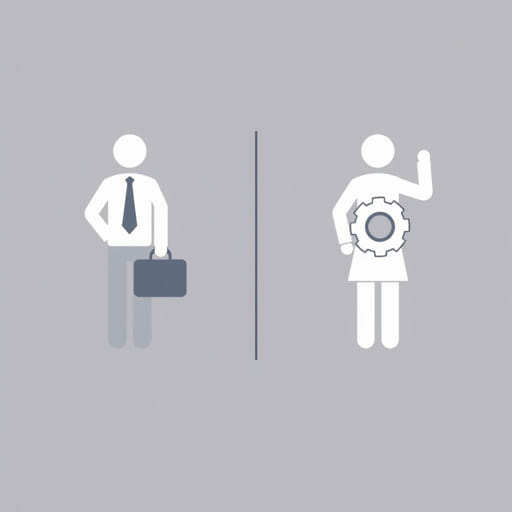
In the world of work and business, the terms employee and employer are commonly used, yet they represent two very different roles and responsibilities. Understanding the difference between employee and employer is crucial for anyone entering the workforce, starting a business, or managing human resources. These two positions form the foundation of every working relationship and are governed by various laws, contracts, expectations, and ethical standards. While they are interdependent, their goals, duties, and perspectives often differ in important ways that influence the structure and success of any organization.
Definition and Role
What is an Employee?
An employee is an individual who works for another person or company in exchange for wages or a salary. Employees perform specific duties assigned by their employer and are usually subject to company rules, schedules, and standards. In most legal systems, employees enjoy certain protections and benefits such as minimum wage, overtime pay, paid leave, and workplace safety regulations.
What is an Employer?
An employer is a person, business, organization, or institution that hires and compensates individuals to perform work. Employers are responsible for creating job opportunities, defining roles, setting compensation, managing teams, and ensuring compliance with labor laws. They play a leadership role in shaping company culture, managing finances, and setting strategic goals for their organization.
Legal Relationship and Responsibilities
The legal relationship between employee and employer is defined by a contract or an employment agreement. This agreement outlines rights, obligations, compensation, and termination terms. Although both parties enter into the relationship voluntarily, the legal responsibilities they carry differ significantly.
- Employee responsibilities: Carrying out assigned tasks, adhering to workplace policies, meeting performance standards, and maintaining confidentiality where applicable.
- Employer responsibilities: Providing a safe work environment, paying agreed wages on time, providing statutory benefits, and not engaging in discrimination or unfair dismissal.
Decision-Making Power
Employer Authority
Employers typically hold the decision-making power in a work setting. They determine business strategies, financial investments, hiring and firing practices, and operational workflows. They also set long-term goals and policies that employees must follow.
Employee Role
Employees usually have limited decision-making authority unless they hold managerial or supervisory positions. Their primary role is to implement the tasks and projects that support the employer’s goals. However, employee feedback can play an important role in improving operations and morale.
Compensation and Rewards
Another major difference between employee and employer is how they are compensated and rewarded for their work.
- Employees: Receive a fixed salary, hourly wage, or performance-based incentives. They may also receive benefits such as health insurance, paid vacation, and retirement plans.
- Employers: Earn profits based on the success of the business. Their financial rewards are often tied to revenue, market growth, and business valuation rather than a fixed monthly income.
While employees often seek job security and consistent income, employers take on greater financial risk but stand to gain more from business success.
Work Environment and Culture
Employee Experience
Employees contribute to the company culture by following established norms, engaging with colleagues, and upholding values promoted by leadership. Their motivation and satisfaction often depend on work-life balance, recognition, and a supportive environment.
Employer Influence
Employers play a central role in shaping workplace culture. They define values, expectations, and management styles that influence how employees interact and perform. A positive and inclusive culture often leads to better retention and productivity.
Risk and Liability
Employer Risk
Employers assume greater risks in the employment relationship. They are legally accountable for compliance with labor laws, occupational safety, financial obligations, and the conduct of their business. Mistakes or violations can lead to lawsuits, penalties, or business failure.
Employee Risk
Employees face risks such as job loss, poor working conditions, or stagnant career growth. However, the legal system often provides protections such as unemployment benefits, whistleblower laws, and employee rights legislation to reduce these risks.
Ownership and Control
- Employer: Owns or operates the business. Has control over assets, intellectual property, decision-making, and strategic direction.
- Employee: Has no ownership unless part of an employee stock ownership program. Contributes skills and time in exchange for compensation but does not control company assets or decisions.
This difference highlights the broader scope of responsibility and influence that an employer has compared to an employee.
Career Goals and Motivations
Employee Goals
Employees often seek personal development, job stability, financial security, and upward mobility. Their focus tends to be on career progression within a role or industry, work-life balance, and skill-building opportunities.
Employer Goals
Employers are driven by business growth, innovation, profitability, and operational efficiency. They aim to build sustainable enterprises, expand market share, and manage human capital effectively. Their perspective is more long-term and investment-focused.
Examples and Real-World Context
Employee Example
A software developer hired by a tech firm to write code is an employee. Their duties are defined, hours are scheduled, and they receive a salary with health and vacation benefits.
Employer Example
The tech firm’s founder who hires staff, secures funding, and makes key decisions is the employer. They take on business risk, invest capital, and manage the company’s future direction.
In some cases, a person may be both an employer and an employee, such as a business owner who manages daily operations and pays themselves a salary. However, their responsibilities and mindset will still differ depending on which role they are performing.
Summary of Key Differences
| Aspect | Employee | Employer |
|---|---|---|
| Definition | Works for wages or salary | Hires and manages employees |
| Responsibilities | Perform tasks, follow rules | Set strategy, manage business |
| Risk | Job loss, limited control | Financial loss, legal liability |
| Compensation | Fixed income, benefits | Profits, dividends, bonuses |
| Control | Limited to assigned duties | Full control over operations |
Understanding the Employer-Employee Relationship
Recognizing the difference between employee and employer is essential in understanding how businesses function and how rights and responsibilities are distributed in the workplace. While employees focus on performing tasks and growing their careers, employers oversee the bigger picture, manage risk, and ensure the organization’s success. Both roles are vital and interconnected employees rely on employers for opportunity and structure, while employers depend on employees for execution and innovation. Knowing how these roles complement each other can help foster mutual respect, clear communication, and long-term success for individuals and organizations alike.