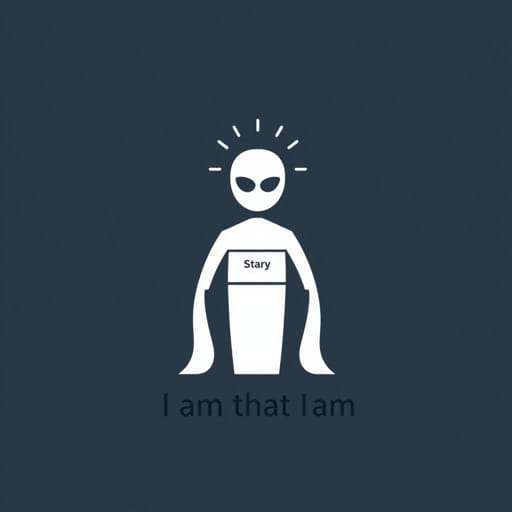
In fictional narratives, there occasionally appears a mysterious figure known only by a profound and cryptic name: ‘I Am That I Am.’ This character title, borrowed from theological and philosophical roots, has been adapted in various works of speculative fiction, fantasy, and science fiction to represent entities of immense power, abstraction, or metaphysical significance. Whether used symbolically or literally, the fictional character known as ‘I Am That I Am’ often challenges readers and viewers to confront deep questions about existence, identity, and the nature of reality itself.
Origin of the Phrase and Its Fictional Reimagining
The phrase I Am That I Am originates from ancient religious texts, most notably the Bible, where it is used by God to describe Himself to Moses in the Book of Exodus. Over time, the phrase has evolved beyond its theological origins, inspiring creators to develop characters that embody or manipulate existential truth. In fiction, the name is often reinterpreted as a title for an omnipotent being, an artificial intelligence, or a cosmic entity whose identity defies ordinary comprehension.
Rather than a literal reference to divinity, the fictional usage of I Am That I Am usually signals a character who transcends conventional definitions one who simply exists beyond labels, categories, or societal norms. This character may appear human but carries within them a force or awareness far beyond mortal understanding.
Common Traits of the ‘I Am That I Am’ Fictional Character
While interpretations vary, certain traits are commonly associated with characters bearing this name or title. These traits reflect the philosophical weight of the phrase and the creative liberties authors take when exploring the theme of self-definition and cosmic identity.
1. Undefined Origin
Characters known as I Am That I Am often have mysterious or unknowable origins. They may have existed since the beginning of time, appeared spontaneously, or have no beginning or end at all. Their existence may not be tied to any particular creation myth or timeline.
2. Omnipresence or Omniscience
In many stories, this character sees and knows all. Whether through literal omniscience or deep intuition, they often understand events, people, and outcomes long before others do. This knowledge sets them apart from both heroes and villains, placing them in a role beyond good or evil.
3. Nonlinear Identity
I Am That I Am characters may not be bound by traditional concepts of time or personality. They might exist simultaneously across timelines or dimensions. In some interpretations, they are not even a single entity, but a presence that manifests differently based on perception.
4. Existential Dialogue
These characters frequently speak in riddles, paradoxes, or abstract truths. They force other characters and the audience to think about deeper meanings. Their dialogue often includes themes of self-awareness, destiny, and free will.
Appearances in Fictional Worlds
The character I Am That I Am is rarely used as a direct name in popular media, but variations or thematic echoes appear across many stories. The following are examples of how this type of character shows up in literature, film, and games:
- The Architect in ‘The Matrix’: A being who understands and designs entire realities. While not named I Am That I Am, his role fits the concept of a self-aware, omniscient creator who exists outside of the world he made.
- Dr. Manhattan in ‘Watchmen’: A god-like figure who perceives time nonlinearly and struggles with identity and purpose. His sense of detachment and existential thought reflects the essence of I Am That I Am.
- The One Above All in Marvel Comics: A supreme entity who is said to represent the creator of the Marvel Universe. This character occasionally appears to heroes with cryptic wisdom, fitting the role of a self-defining presence.
- The Voice in many fantasy novels: Sometimes a literal voice from the void, this unseen character offers guidance without form, often revealing itself to be a deeper truth or identity.
Symbolism Behind the Character
The fictional character ‘I Am That I Am’ often serves a symbolic role rather than a plot-driving one. Their presence in a story can mark a turning point, a test of faith, or a challenge to the protagonist’s understanding of their world. The name itself suggests pure existence not dependent on external validation or definition. This symbolism carries several meanings:
- Self-definition: The character refuses to be labeled by others. Their identity comes solely from within.
- Transcendence: They stand above normal hierarchies, systems, and even logic. They embody what it means to ‘be.’
- Awakening: Interactions with this character often trigger revelations in the protagonist, forcing them to reevaluate what they know.
A Narrative Device
Authors often use such a character as a narrative mirror. When protagonists meet I Am That I Am, they’re usually confronting a higher truth or the raw core of reality. This moment may challenge everything they believe or offer them the tools to ascend to a new understanding of themselves.
Psychological and Philosophical Layers
Beyond the metaphysical, the character I Am That I Am also represents the psychological struggle for identity. In a world filled with labels, roles, and expectations, this character stands as a defiant example of pure selfhood. This concept resonates with existentialist ideas particularly the notion that identity is not assigned but chosen.
Existential Individualism
In existential philosophy, particularly in the works of Sartre, existence precedes essence. One defines themselves not by what they are told they are, but by the actions and choices they make. The fictional ‘I Am That I Am’ embodies this idea by being nothing more or less than their own choice to be.
Alienation and Understanding
Interestingly, many characters who embody this identity are portrayed as emotionally distant or disconnected from humanity. Their awareness makes it hard for them to relate to others. This can make them seem cold, but it also emphasizes their role as outsiders both powerful and profoundly alone.
Modern Interpretations and Future Potential
As storytelling evolves, so too does the way this character archetype is used. In newer media including video games, anime, and graphic novels the I Am That I Am figure appears with more nuanced traits. Sometimes they are former humans who attained enlightenment. Other times, they are artificial intelligences who achieved self-awareness. Regardless of form, they challenge audiences to think beyond surface-level character roles.
Subverting the Archetype
Modern writers may choose to subvert this character by introducing flaws, contradictions, or even vulnerability. A being that claims, I Am That I Am, might later doubt themselves, adding complexity and relatability. This evolution keeps the concept fresh while preserving its philosophical core.
The fictional character known as ‘I Am That I Am’ is a unique archetype that transcends traditional storytelling norms. Whether portrayed as a god, an AI, or a voice without form, this character represents self-awareness, transcendence, and the mystery of pure existence. In a world filled with titles, powers, and roles, this figure reminds us of the value of simply being. Their presence continues to challenge audiences, not just to understand them, but to better understand themselves.