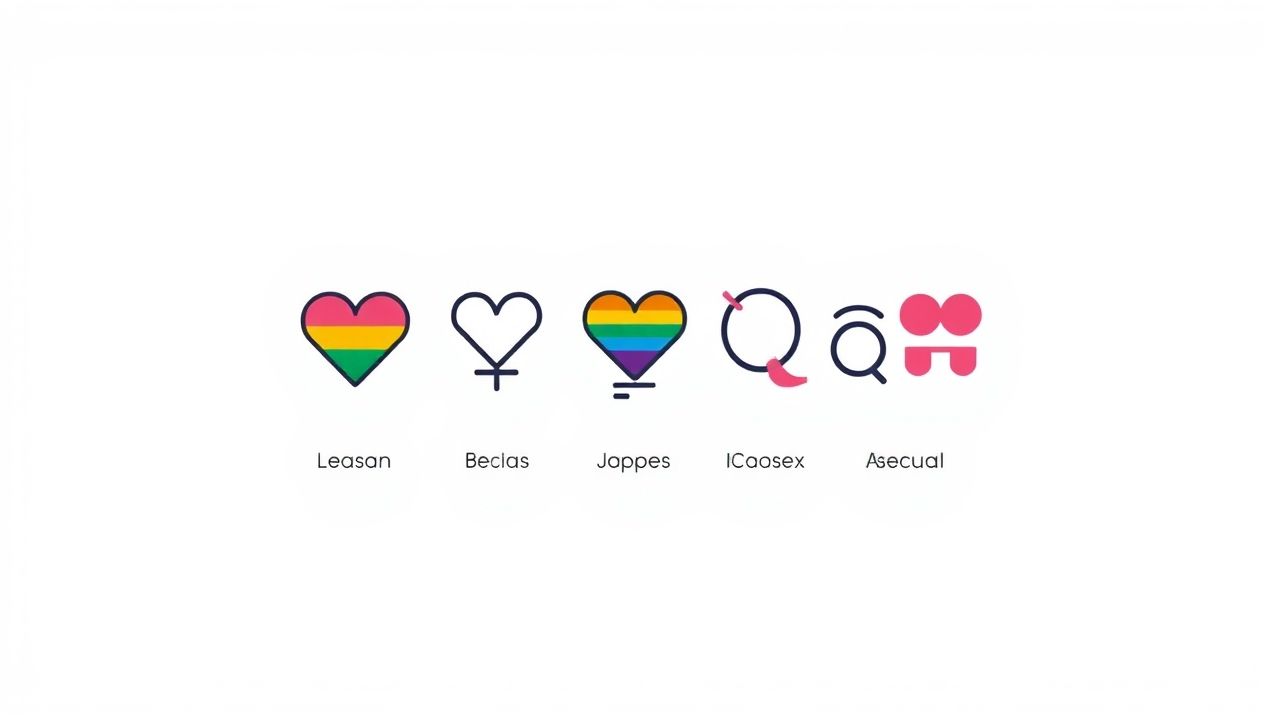
Understanding the LGBTQIA acronym is an important step in fostering awareness, inclusion, and respect for different identities within the broader human experience. Each letter in this acronym represents a distinct group of people who identify in a way that may differ from traditional norms of gender and sexuality. Knowing what each letter stands for helps build empathy and clears up common misconceptions. The LGBTQIA community is diverse, and the meanings behind each identity reveal the depth and complexity of human experiences related to love, identity, and expression.
What Does LGBTQIA Stand For?
The acronym LGBTQIA is an inclusive term that represents a spectrum of sexual orientations and gender identities. Each letter stands for a different group or identity. While the acronym continues to evolve, this version includes a broad representation that is commonly used in both academic and advocacy settings.
L – Lesbian
The ‘L’ stands for lesbian. A lesbian is a woman who is emotionally, romantically, or sexually attracted to other women. The term is used by women who identify as female and prefer same-gender partners. Lesbian identity is not solely based on attraction; it also reflects a sense of belonging within the lesbian community, which has its own unique history, struggles, and culture.
G – Gay
‘G’ represents gay. While the term can be used broadly, it most often refers to men who are emotionally or sexually attracted to other men. However, some women and non-binary individuals also use ‘gay’ as a general label for same-gender attraction. The gay community has been a central part of LGBTQIA history, especially in the fight for equal rights and visibility.
B – Bisexual
The letter ‘B’ stands for bisexual. Bisexual individuals experience romantic or sexual attraction to more than one gender. This does not necessarily mean equal attraction to all genders, but rather the potential to be attracted to more than one. Bisexuality is often misunderstood, but it is a valid and significant identity within the LGBTQIA spectrum. Bisexual people may face challenges both within and outside of LGBTQIA spaces due to misconceptions and stereotypes.
T – Transgender
‘T’ stands for transgender. A transgender person is someone whose gender identity does not match the sex they were assigned at birth. For example, a person assigned female at birth who identifies as male is a transgender man. Transgender people may or may not choose to undergo medical procedures such as hormone therapy or surgery. Gender identity is personal and unique, and being transgender is about internal identity rather than external appearance.
Q – Queer or Questioning
The letter ‘Q’ can have two meanings:
- Queer: A broad and flexible term used by people who reject traditional categories of gender and sexual orientation. It can include identities like pansexual, genderqueer, and others that fall outside binary norms.
- Questioning: Refers to people who are exploring their sexual orientation or gender identity and are not yet sure how they identify. It acknowledges that identity can be a process of discovery.
Queer has historically been used as a slur, but many people within the community have reclaimed it as a symbol of pride and self-expression.
I – Intersex
‘I’ represents intersex. Intersex people are born with physical sex characteristics that do not fit typical definitions of male or female bodies. These can include differences in chromosomes, hormones, reproductive organs, or genitalia. Being intersex is a naturally occurring variation in humans, and it is different from being transgender. Intersex individuals may identify as male, female, both, or neither, and their experiences are often shaped by medical decisions made early in life.
A – Asexual or Aromantic
The ‘A’ in LGBTQIA commonly stands for two identities:
- Asexual: People who experience little or no sexual attraction to others. Asexuality exists on a spectrum; some asexual people may experience romantic attraction, while others may not.
- Aromantic: Individuals who do not experience romantic attraction. Like asexuality, aromanticism can vary in intensity and is not necessarily tied to sexual orientation.
Both asexual and aromantic people can form deep, meaningful relationships, though these may not be centered around traditional romantic or sexual frameworks.
Additional Identities Beyond LGBTQIA
Although LGBTQIA is a widely recognized term, it does not encompass every identity. Some people prefer to use the + symbol at the end (e.g., LGBTQIA+) to acknowledge other orientations and identities not explicitly listed. These may include:
- Pansexual: Attraction to people regardless of gender
- Non-binary: A gender identity that doesn’t fit within the binary of male or female
- Genderfluid: Someone whose gender identity shifts over time
- Two-Spirit: A term used by some Indigenous North American cultures to describe a person who embodies both masculine and feminine qualities
Language and understanding around gender and sexuality are constantly evolving. Using inclusive terms helps create a safer and more respectful society for everyone.
Why Understanding LGBTQIA Identities Matters
Promoting Inclusion and Respect
Knowing the meaning of LGBTQIA helps break down prejudice and assumptions. Respecting people’s identities contributes to mental and emotional well-being and allows individuals to live authentically without fear of discrimination or misunderstanding.
Supporting Mental Health and Well-being
Members of the LGBTQIA community often face higher rates of mental health issues due to societal stigma and rejection. Understanding and validating these identities can create supportive environments at home, school, work, and in public services.
Educational and Social Awareness
Educators, employers, healthcare providers, and community leaders can all benefit from deeper awareness of LGBTQIA identities. It promotes cultural competency, better communication, and more effective policies that serve diverse populations.
The LGBTQIA acronym stands for Lesbian, Gay, Bisexual, Transgender, Queer or Questioning, Intersex, and Asexual or Aromantic. Each identity within this framework reflects a rich and complex spectrum of human experience. By learning and using inclusive language, society can move toward greater understanding and equality. Respecting people’s chosen identities and recognizing the diversity within the LGBTQIA community is not just a matter of accuracy; it is a fundamental part of creating a more compassionate and informed world.