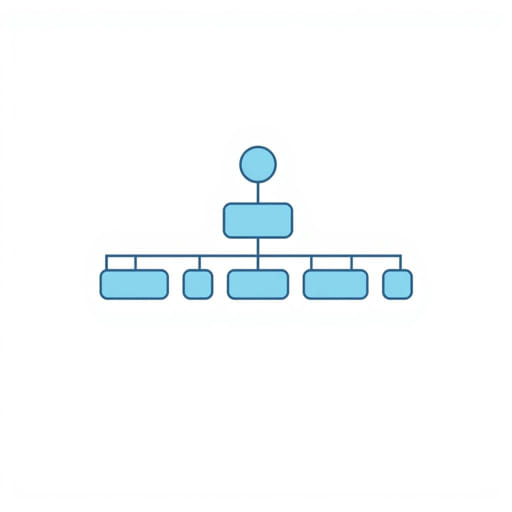
In the modern business world, the success of an IT company often depends not only on the technology it develops but also on how it organizes its internal structure. A well-designed IT company organizational structure ensures smooth communication, effective project management, accountability, and strategic growth. It provides clarity on roles, responsibilities, and reporting lines across various departments. While the exact structure may vary depending on the size and goals of the company, most IT firms follow a core framework with specialized departments and clearly defined leadership roles.
Executive Leadership and Strategic Direction
Chief Executive Officer (CEO)
The CEO is the highest-ranking executive in an IT company, responsible for setting the overall vision, direction, and corporate strategy. They work closely with other C-level executives to ensure that every department aligns with the company’s objectives. In some cases, especially in startups, the CEO might also be a co-founder or heavily involved in technical development.
Chief Operating Officer (COO)
The COO manages day-to-day operations and ensures that all departments function efficiently. This role includes implementing business strategies, overseeing resource allocation, and coordinating cross-departmental collaboration. The COO often works directly under the CEO and helps execute the company’s long-term goals through operational processes.
Chief Technology Officer (CTO)
The CTO oversees all technological developments and ensures that the IT infrastructure supports business needs. This role is particularly important in an IT company, where innovation and technical strategy are central. The CTO leads the engineering teams, sets software development standards, and chooses the right technology stack for products.
Technical and Development Teams
Engineering Department
The engineering or software development department forms the technical core of an IT company. It typically consists of:
- Front-End Developers: Focus on user interface and experience.
- Back-End Developers: Work on server-side logic, databases, and APIs.
- Full-Stack Developers: Handle both front-end and back-end development.
- DevOps Engineers: Ensure continuous integration, delivery, and deployment.
- QA Engineers: Conduct testing to ensure product quality and functionality.
These developers typically work under Engineering Managers or Technical Leads, who report to the CTO or VP of Engineering.
IT Infrastructure and Support
This team handles the internal technology environment, such as servers, cloud infrastructure, cybersecurity, network administration, and helpdesk support. A dedicated IT manager oversees this function to ensure operational continuity and system security.
Product Management and Innovation
Product Managers
Product managers act as the bridge between technical teams and business units. They define the product roadmap, gather customer requirements, and ensure that development efforts meet market needs. A product manager must have a deep understanding of both the technical landscape and customer behavior.
User Experience (UX) and Design
UX designers and UI specialists work closely with product managers to create intuitive, attractive, and user-friendly interfaces. This department ensures that the product is not only functional but also enjoyable to use, improving customer satisfaction and engagement.
Business and Client-Facing Departments
Sales and Business Development
The sales team is responsible for bringing in new clients and managing existing accounts. Their roles include lead generation, sales presentations, contract negotiations, and closing deals. Business development focuses more on identifying new markets, partnerships, and strategic opportunities.
- Account Executives: Manage relationships with key clients.
- Sales Engineers: Provide technical expertise during the sales process.
Marketing and Communications
This department promotes the brand and communicates the value of products to the target audience. Tasks include digital marketing, SEO, content creation, public relations, and campaign management. A marketing manager often works with creative teams and external partners to build brand recognition and drive customer engagement.
Customer Support and Success
Technical Support
Technical support staff assist clients with product-related issues, troubleshooting, and onboarding. Depending on the company size, support may be divided into tiers (Tier 1 for basic inquiries, Tier 2 or 3 for more complex technical issues).
Customer Success Managers (CSMs)
CSMs focus on customer retention, satisfaction, and value delivery. They proactively engage with customers to ensure they are using the product effectively and benefiting from its full potential. CSMs are instrumental in reducing churn and increasing upsell opportunities.
Human Resources and Administration
Talent Acquisition and Employee Relations
Human resources teams recruit top talent, manage employee engagement, and ensure compliance with labor laws. They also support professional development through training programs and performance evaluations. HR plays a key role in maintaining a healthy and inclusive workplace culture.
Administrative Operations
Administrative staff support the company through office management, travel arrangements, scheduling, and general logistics. They ensure that daily operations run smoothly and provide support to executives and team members as needed.
Finance and Legal Departments
Finance and Accounting
The finance team manages budgeting, financial forecasting, payroll, invoicing, and reporting. In an IT company, understanding cash flow is critical especially for startups and growing businesses. The Chief Financial Officer (CFO) typically oversees this department.
Legal and Compliance
This department ensures that the company follows laws and regulations, manages contracts, and protects intellectual property. In IT, compliance with data privacy laws (like GDPR) and software licensing agreements is particularly important.
Agile Teams and Cross-Functional Collaboration
Agile and Scrum Methodologies
Many IT companies adopt Agile methodologies to improve productivity and responsiveness. Cross-functional teams work in short development cycles, known as sprints, to deliver incremental updates and receive fast feedback. This method promotes close collaboration between developers, testers, designers, and product managers.
Scrum Roles
- Scrum Master: Facilitates Agile processes and removes blockers.
- Product Owner: Represents the customer’s voice and prioritizes the product backlog.
- Development Team: Executes the work and delivers product increments.
Remote and Hybrid Team Structures
Distributed Teams
Modern IT companies increasingly operate with remote or hybrid teams. This structure requires digital collaboration tools, flexible communication policies, and a strong culture of accountability. Remote employees may belong to core departments but participate virtually from different locations.
Benefits and Challenges
- Benefits: Broader talent pool, reduced office costs, and increased flexibility.
- Challenges: Time zone differences, communication gaps, and maintaining engagement.
A well-defined IT company organizational structure is essential for sustainable growth, efficient operations, and innovative output. Each department from executive leadership to engineering, product, sales, and support plays a unique role in delivering value to clients and advancing the company’s mission. By aligning these functions through clear communication and strategic direction, an IT company can stay agile, competitive, and successful in a rapidly evolving digital landscape.
“`