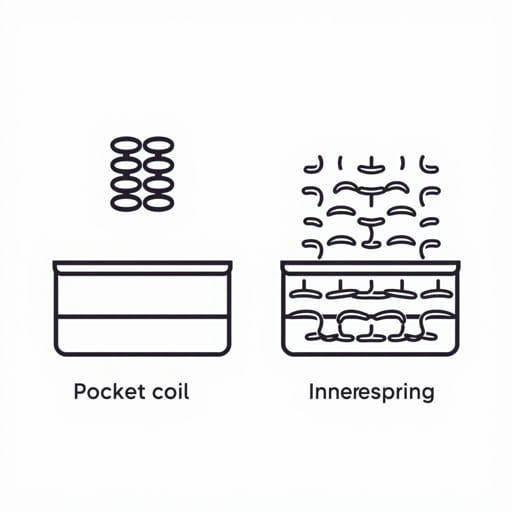
Choosing the right mattress is essential for quality sleep, and one of the most common decisions shoppers face is between pocket coil and innerspring mattresses. Although both types use coil systems for support, they function differently in terms of comfort, motion isolation, durability, and price. Understanding the difference between pocket coil and innerspring mattresses can help you make an informed choice tailored to your sleep habits and preferences. Each option offers unique advantages, and selecting the right one can greatly impact your rest and overall well-being.
Understanding the Basics of Coil Systems
Both pocket coil and innerspring mattresses fall under the category of coil mattresses, which use metal springs to provide support. However, the way these coils are structured and how they interact with each other greatly influences the mattress’s performance and feel.
What Is a Pocket Coil Mattress?
A pocket coil mattress, also known as an individually wrapped coil or encased coil mattress, features springs that are each enclosed in their own fabric pocket. These pockets allow the coils to move independently, adapting to the contours of your body and providing targeted support where it’s needed most.
What Is an Innerspring Mattress?
Innerspring mattresses, the traditional coil option, use a system of interconnected metal springs or coils. These springs move together as a unit, distributing weight evenly across the mattress. While this system is generally more affordable, it doesn’t offer the same level of body-contouring as pocket coils.
Key Differences Between Pocket Coil and Innerspring
To better understand the difference between pocket coil and innerspring mattresses, let’s break it down into several important categories.
1. Motion Isolation
- Pocket Coil: Excellent at minimizing motion transfer because each spring moves independently. Ideal for couples or light sleepers who are easily disturbed by movement.
- Innerspring: Transfers more motion since the coils are interconnected. Movements on one side of the bed can be felt on the other side.
2. Support and Contouring
- Pocket Coil: Offers superior contouring and support, adjusting to the body’s shape and distributing weight evenly. This helps alleviate pressure points, especially for side sleepers.
- Innerspring: Provides a more general level of support without the ability to contour to the body as precisely. It may feel firmer and bouncier.
3. Durability and Longevity
- Pocket Coil: Typically more durable because of the higher-quality materials and independent coil movement, which reduces wear over time.
- Innerspring: May wear out faster, particularly if the coils begin to sag or lose tension, leading to uneven support and discomfort.
4. Price Range
- Pocket Coil: Usually more expensive due to the advanced construction and individual coil wrapping. The added comfort and motion control justify the higher price for many users.
- Innerspring: More budget-friendly and widely available, making it a common choice for guest rooms or short-term use.
5. Breathability and Airflow
- Pocket Coil: Still offers good airflow between coils but may retain slightly more heat due to extra fabric and padding layers.
- Innerspring: Superior airflow and breathability because of its open coil structure, making it cooler to sleep on in warm climates.
6. Noise Levels
- Pocket Coil: Quieter operation, as individual springs are isolated and wrapped, reducing creaks and squeaks.
- Innerspring: More prone to making noise over time as the coils rub together and lose their tension.
Ideal Sleepers for Each Mattress Type
Knowing the difference between pocket coil and innerspring helps identify which type is better suited for different types of sleepers.
Pocket Coil Is Best For:
- Couples who need motion isolation
- Side sleepers needing pressure point relief
- People with chronic back or joint pain
- Long-term use with high durability
Innerspring Is Best For:
- Budget-conscious shoppers
- Stomach and back sleepers who prefer firmer surfaces
- People who sleep hot and need better airflow
- Short-term or occasional use, such as in guest rooms
Comfort Layers and Additional Features
While the core support differs, both pocket coil and innerspring mattresses may come with similar comfort layers. These can include memory foam, latex, gel, or quilted pillow tops to enhance comfort and reduce pressure.
What to Consider:
- Firmness: Available in soft, medium, or firm options depending on personal preference and sleep position.
- Edge Support: Pocket coils often offer reinforced edges for better seating support, while innerspring edges may compress more easily.
- Hybrid Models: Some mattresses combine pocket coils with foam or latex layers to deliver a balanced feel of comfort and support.
Maintenance and Care
Proper maintenance can extend the life of both pocket coil and innerspring mattresses. Rotating the mattress every few months can help prevent uneven wear, especially for innerspring types. Use a mattress protector to guard against spills and dust mites.
Care Tips:
- Rotate the mattress every 3 to 6 months
- Avoid jumping or heavy pressure in one spot
- Use a strong foundation or base
- Keep in a dry, well-ventilated room
Making the Right Choice
The final decision between a pocket coil and innerspring mattress comes down to personal comfort needs, budget, and how the bed will be used. If you’re looking for better motion isolation and body support, especially for long-term use, pocket coil mattresses are worth the investment. However, if cost savings and a firmer, more traditional feel are your priorities, an innerspring mattress remains a solid option.
Understanding the difference between pocket coil and innerspring mattresses allows you to weigh the pros and cons of each style. Pocket coils excel in motion isolation, pressure relief, and individualized support, making them ideal for many modern sleepers. Innerspring mattresses offer affordability and a firmer feel, suited for those who prioritize breathability and classic construction. By evaluating your sleep habits and preferences, you can select the mattress type that best supports restful, uninterrupted sleep.