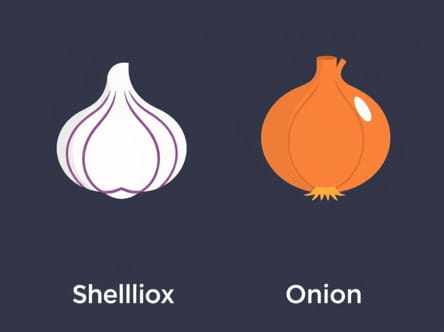
Onions and shallots are staple ingredients in kitchens all around the world, celebrated for the unique flavors and aromas they bring to countless dishes. Despite their similar appearance and shared family lineage, shallots and onions have distinct differences that affect their taste, texture, culinary uses, and nutritional profile. Understanding these differences can help home cooks and professional chefs alike choose the right ingredient to elevate their recipes. In this topic, we will explore the key distinctions between shallots and onions, comparing their characteristics and uses in cooking.
Botanical Background and Physical Appearance
Both shallots and onions belong to the Allium genus, which includes garlic, leeks, and chives. While they share family ties, they are different species. Onions are scientifically known asAllium cepa, while shallots are usually classified asAllium cepa var. aggregatumorAllium oschaninii. This botanical distinction explains some of the physical and flavor differences between the two.
Visually, onions are generally larger, round or slightly flattened, with thick, papery outer skins that can be white, yellow, or red. Shallots tend to be smaller and more elongated, often growing in clusters similar to garlic bulbs. Their outer skin is typically a coppery or reddish-brown color, with a smooth texture. Inside, onions consist of several thick layers, whereas shallots contain multiple smaller cloves.
Flavor Profiles and Culinary Uses
The most noticeable difference between shallots and onions is their flavor. Onions tend to have a sharp, pungent taste with varying degrees of sweetness depending on the variety. When cooked, onions develop a rich, caramelized sweetness that forms the base for many savory dishes worldwide.
Shallots, on the other hand, have a more delicate and subtle flavor. They combine the mild sweetness of onions with hints of garlic and a slight nuttiness. This complex flavor profile makes shallots a popular choice in dishes where a less overpowering onion flavor is desired.
Cooking Applications
- Onions: Because of their strong flavor and versatility, onions are used in a wide range of recipes, including soups, stews, sautés, grilled dishes, and raw applications like salads and sandwiches. Different onion varieties offer unique taste profiles; for example, red onions are often used raw for their milder flavor and vibrant color.
- Shallots: Shallots are favored in French and Southeast Asian cuisines, where their refined taste enhances sauces, dressings, vinaigrettes, and delicate sautés. They are often used raw in salads or finely minced to add a subtle depth to dressings and marinades. When cooked, shallots turn sweet and soft but maintain their nuanced flavor better than onions.
Texture Differences
Onions have a relatively firm and crisp texture when raw, making them suitable for dishes that require some crunch or body. As onions cook, they soften and become tender but retain enough structure in most recipes.
Shallots are more tender and less fibrous than onions. Their layers are thinner and finer, resulting in a smoother texture when cooked. This makes shallots ideal for recipes where a gentle texture is preferred, such as in delicate sauces or as a garnish.
Nutritional Content
Both shallots and onions are low in calories and fat while providing important nutrients like vitamin C, vitamin B6, manganese, and dietary fiber. However, there are slight nutritional differences.
- Onions: Contain antioxidants such as quercetin that have anti-inflammatory properties. They are a good source of prebiotic fibers, which promote gut health.
- Shallots: Tend to have higher concentrations of certain antioxidants and minerals like potassium and folate. Some studies suggest shallots have stronger antimicrobial effects due to their unique compounds.
Overall, both vegetables contribute to a healthy diet and provide similar health benefits linked to the Allium family.
Storage and Shelf Life
Onions are widely available year-round and have a relatively long shelf life when stored in a cool, dry, and well-ventilated place. They can last several weeks to months depending on the variety and storage conditions.
Shallots generally have a shorter shelf life than onions, lasting about two to three weeks under optimal conditions. Their smaller size and thinner skin make them more susceptible to moisture loss and sprouting. To extend their freshness, shallots should be stored in a cool, dark place away from direct sunlight.
Substituting Shallots and Onions in Recipes
Because of their related flavor profiles, shallots and onions can sometimes be substituted for each other, but the outcome may vary depending on the dish. If a recipe calls for shallots and only onions are available, using a smaller amount of finely chopped onion can provide a similar base flavor, but the dish may be more pungent. Conversely, replacing onions with shallots may result in a milder and slightly sweeter taste.
For recipes that require raw shallots, such as vinaigrettes or garnishes, it’s best not to substitute onions directly, as onions can be too strong and overpower the dish. However, cooking shallots or onions together usually blends their flavors well.
Health Benefits and Medicinal Uses
Both shallots and onions have been recognized for their health benefits across cultures. Their antioxidant and anti-inflammatory properties contribute to cardiovascular health, immune support, and cancer prevention. Compounds found in onions, such as sulfur-containing molecules, help reduce cholesterol and blood pressure. Shallots also contain unique flavonoids that boost immunity and support digestive health.
In traditional medicine, both have been used for their antibacterial and antiviral properties, making them natural remedies for colds and infections.
Summary of Differences Between Shallot and Onion
- Species: Onions (Allium cepa), shallots (Allium cepa var. aggregatum).
- Size & Appearance: Onions are larger and round; shallots are smaller, elongated, and grow in clusters.
- Flavor: Onions have a strong, pungent taste; shallots offer a milder, sweeter, and slightly garlicky flavor.
- Texture: Onions are firm and crisp; shallots are tender and smooth.
- Culinary Uses: Onions are versatile for cooking and raw use; shallots are preferred for delicate sauces and dressings.
- Nutritional Content: Both offer antioxidants and vitamins; shallots may have higher mineral and flavonoid content.
- Storage: Onions last longer than shallots.
Choosing Between Shallots and Onions in Cooking
Choosing between shallots and onions depends largely on the desired flavor intensity and texture for your dish. If you want a bold, robust onion flavor, especially in soups, stews, or caramelized dishes, onions are the best choice. If your recipe calls for a subtler, sweeter taste with a hint of garlic, particularly in salad dressings, delicate sauces, or raw preparations, shallots will elevate your cooking.
Experimenting with both ingredients can open new flavor dimensions in your meals and help you appreciate the unique qualities that shallots and onions bring to the table.