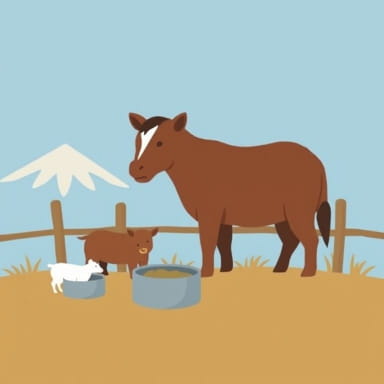
Feeding penned animals in RimWorld is essential to maintaining a healthy and productive colony, especially if you’re relying on animals for hauling, wool, milk, or meat. If your animals don’t get proper nutrition, they will starve, become less productive, or even die, which can lead to cascading problems across your settlement. Managing food for penned animals requires attention to zoning, animal needs, available forage, and proper storage of edible items. Knowing how to efficiently feed your penned animals is a core skill in building a sustainable colony in RimWorld.
Understanding Penned Animals in RimWorld
What Are Penned Animals?
Penned animals in RimWorld are domesticated creatures that require a designated pen area instead of unrestricted roaming. These animals include cows, horses, goats, sheep, and pigs, among others. Once tamed, they are automatically assigned to pens via a pen marker. Without proper management, these animals will wander, starve, or even break the fences, potentially causing issues in your colony’s balance.
Why Feeding Them Is Important
Each animal has a hunger need that must be met regularly. Unlike unrestricted animals that can graze freely or find food, penned animals depend on your colony to provide them with a consistent and appropriate food source. If they don’t get fed, they will lose health over time and may even miscarry if pregnant or collapse from starvation.
Feeding Options for Penned Animals
Natural Grazing
One of the simplest ways to feed herbivorous penned animals is by allowing them to graze on grass within the pen. This method works best in warmer seasons with abundant plant growth.
- Make sure the pen is large enough to support grazing without depleting all the vegetation.
- Use the fertility overlay to choose areas with good soil that promote faster grass regrowth.
- Monitor the food bar of the pen marker to see if there’s enough forage available.
Keep in mind that grazing is unreliable during cold seasons or in biomes with poor vegetation like deserts, tundras, or ice sheets. In these cases, supplemental feeding becomes necessary.
Providing Haygrass
Haygrass is the most efficient crop for feeding penned herbivores. It grows well in most soil types and produces a large quantity of animal feed when harvested.
- Plant haygrass in grow zones and harvest it before the cold season begins.
- Store haygrass in a roofed, dry area to prevent it from deteriorating.
- Stockpile hay near or inside the pen so animals can access it directly.
Haygrass never spoils if kept dry, making it ideal for winter stockpiling. It’s not suitable for carnivorous animals, however, so plan accordingly if you’re keeping mixed species.
Using Kibble
Kibble is a long-lasting animal food that can be eaten by nearly all animals in the game, both herbivores and carnivores. It’s made at a butcher table using raw meat and plant matter.
- Ensure a steady supply of meat and vegetables or haygrass for kibble production.
- Assign a pawn with cooking skills to create kibble at a butcher table or spot.
- Store kibble in an animal-safe stockpile within the pen to allow easy access.
Kibble never spoils, but it does deteriorate if left outside or unroofed, so placing it in a proper barn or shed is ideal. It’s especially useful during winter or in barren biomes where grazing isn’t viable.
Supplying Vegetables or Meals
In desperate situations, penned animals can eat raw vegetables like corn, rice, and potatoes. These aren’t ideal long-term options, as they cut into your colony’s food supply, but they can prevent starvation during shortages.
Avoid giving meals (simple, fine, lavish) to animals unless absolutely necessary they consume a lot of resources and are better reserved for colonists.
Setting Up a Feeding Area
Stockpile Zones Inside Pens
To ensure animals have access to food, create a stockpile zone inside the pen and allow appropriate food types such as haygrass, kibble, or vegetables. This ensures food stays within the fenced area and doesn’t require pawns to hand-feed animals.
- Use storage filters to allow only specific food types.
- Set storage priority to normal or higher so haulers keep it stocked.
- Roof the stockpile to prevent food deterioration from rain or snow.
Feeding Animals Manually
In some cases, especially when animals are sick, injured, or in pens with no food, pawns with Animal Handling skills may deliver food directly to them. This is not common for healthy animals but may be required in emergencies.
Dealing With Carnivorous Penned Animals
Special Considerations for Meat-Eating Creatures
Some animals like wargs or cougars cannot eat haygrass or kibble and require raw meat or corpses. These animals are not ideal for pens and are better assigned to zones where they can roam and hunt or be fed manually by handlers.
- Create a freezer zone accessible to carnivores containing raw meat or corpses.
- Set up an animal zone instead of a pen to give them freedom to eat without restrictions.
- Use caution carnivores may attack colonists or animals if they get too hungry.
Seasonal and Biome Challenges
Preparing for Winter
In cold biomes or winter seasons, grass dies out and grazing becomes impossible. Always prepare extra haygrass or kibble in the months leading up to winter. Build barns to shelter your animals and their food from freezing temperatures and blizzards.
- Stockpile enough food to last at least 1520 days per animal.
- Keep animals indoors if snow or cold snaps make feeding outside unsafe.
- Monitor animal health more frequently during harsh weather.
Feeding in Desert or Barren Biomes
In deserts, ice sheets, or other low-growth areas, natural grazing is almost nonexistent. Feeding animals becomes fully dependent on colonist-grown food. Kibble is especially useful here due to its durability and storage efficiency.
Consider limiting the number of animals you keep in these environments or prioritize animals that give high returns like muffalo, cows, or chickens.
Tips for Efficient Animal Feeding
- Use large pens: Larger spaces support more grazing and reduce competition for food.
- Grow haygrass year-round: Create multiple fields to harvest and store a constant supply.
- Automate feeding: Set up haul jobs and stockpile zones to minimize micromanagement.
- Monitor the pen marker: It displays current food levels and if the pen is overpopulated.
- Don’t overbreed: Too many animals in one pen will deplete food quickly, leading to starvation.
Feeding penned animals in RimWorld requires a combination of planning, zoning, and resource management. By balancing natural grazing, haygrass production, and supplementary food like kibble, you can ensure your animals stay healthy and productive year-round. Whether you’re raising muffalos for caravans or chickens for eggs, understanding how to provide consistent and reliable food will make a major difference in the efficiency and survival of your colony. Prepare for seasonal challenges, set up smart feeding zones, and adjust your livestock population to avoid food shortages. Mastering these systems will keep your animal pens thriving, no matter what biome or event you face.