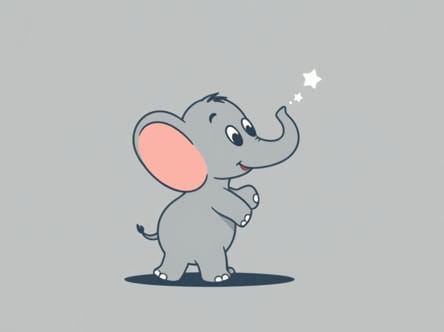
In the history of classic animation, few shorts stand out with the same charm and emotional depth as Elmer Elephant, part of Disney’s Silly Symphony series. First released in 1936, this short film tells the story of a young elephant who faces bullying because of his long trunk. Though it is often overshadowed by more famous Silly Symphonies like The Three Little Pigs or The Tortoise and the Hare, Elmer Elephant’s tale remains an important piece of animation history. It is a story about insecurity, self-acceptance, and discovering one’s hidden strengths, wrapped in the colorful and musical style that made Silly Symphonies so beloved.
The Background of Silly Symphony
Before focusing on Elmer’s story, it’s important to understand the context of the Silly Symphony series. Disney launched Silly Symphony in 1929 as a way to experiment with animation, sound, and storytelling. Unlike the Mickey Mouse cartoons, Silly Symphony shorts were not tied to recurring characters. Instead, each short presented a unique story, often set to music, allowing animators to explore new creative directions.
Purpose of the Series
- To showcase new animation techniques.
- To synchronize visuals with music, creating rhythm-driven storytelling.
- To test ideas that might later appear in feature-length films.
- To appeal to audiences with fresh and diverse tales.
Elmer Elephant fits neatly into this mold, offering a story filled with music, emotion, and strong visual expression. It demonstrates Disney’s ability to blend humor, sympathy, and moral lessons in just a few short minutes.
The Story of Elmer Elephant
The short film begins with Elmer, a kind but shy young elephant, who attends a birthday party for his friend, Tillie Tiger. Elmer brings a bouquet of flowers, hoping to impress her, but instead of being welcomed, he quickly becomes the target of cruel teasing. The other animals mock him for his trunk, calling it strange and awkward. These moments of ridicule capture the timeless reality of childhood bullying and highlight how differences can be unfairly targeted.
Elmer’s Struggle
As the bullying escalates, Elmer feels embarrassed and defeated. He believes that his trunk makes him less lovable, and he leaves the party heartbroken. This moment of despair is a central theme in the story it reflects how many children feel when their unique traits are turned into objects of ridicule. The narrative shows not only the pain of exclusion but also the beginning of Elmer’s journey to self-discovery.
The Turning Point
The real test comes when Tillie’s house catches fire. Suddenly, the other animals who had mocked Elmer are helpless in the face of danger. Elmer, however, realizes that his trunk, once considered a flaw, is actually his greatest strength. He uses it to spray water and save Tillie from the flames. This act transforms his role in the eyes of everyone around him, turning him from an outcast into a hero.
The Lesson of Elmer Elephant
Through this shift, Elmer Elephant delivers a powerful lesson what makes us different can also make us strong. The short encourages audiences, especially children, to embrace their individuality and understand that every characteristic has value. It also highlights the importance of kindness, as Tillie Tiger never mocks Elmer but instead admires him for who he is.
Animation Style and Musical Elements
As with many Silly Symphonies, music plays a central role in the storytelling of Elmer Elephant. The soundtrack guides the emotional tone, from the lighthearted scenes at the party to the dramatic tension of the fire. Disney animators matched the rhythm of the action to the musical score, making each moment feel lively and connected.
Visual Innovation
- Expressive character designs that emphasize emotion, especially Elmer’s vulnerability and bravery.
- Fluid animation that brings humor and drama to life.
- Colorful backgrounds typical of the 1930s Disney style, enhancing the whimsical yet emotional mood.
The Silly Symphony series was known for pushing the boundaries of animation technology, and Elmer Elephant was no exception. The detailed movement of the fire, water, and expressive animals showcased Disney’s growing mastery of the art form.
Comparison with Other Silly Symphonies
While The Three Little Pigs delivered the famous lesson of perseverance and became a cultural phenomenon, and The Old Mill tested groundbreaking effects, Elmer Elephant carved its niche by focusing on empathy and acceptance. It was less about comedy or spectacle and more about character-driven storytelling. This emotional weight made it memorable for audiences who could relate to Elmer’s struggles.
Connection to Later Disney Works
Elmer Elephant also paved the way for future Disney projects. The themes of self-acceptance and embracing differences would later appear in feature films like Dumbo, released in 1941. In many ways, Elmer can be seen as a prototype for Dumbo, another elephant character mocked for his physical traits but ultimately celebrated for them. Both stories echo a similar message about resilience and inner strength.
The Lasting Impact of Elmer Elephant
Though not as widely recognized as some other Silly Symphonies, Elmer Elephant remains a meaningful piece of animation history. Its themes of bullying, courage, and self-worth are universal, continuing to resonate with audiences decades after its release. Parents and educators can still use the story to teach children about empathy and the value of diversity.
Reasons for Its Enduring Appeal
- A heartfelt story that speaks to universal childhood experiences.
- Timeless moral lessons about acceptance and bravery.
- High-quality animation that reflects Disney’s golden age of shorts.
- A character-driven narrative that still feels relevant today.
Critical Reception Over Time
At the time of its release, Elmer Elephant was well-received for its charming characters and emotional storytelling. While it did not achieve the massive popularity of some other Silly Symphonies, critics acknowledged its creativity and heartfelt message. In the years since, animation historians have revisited the short, praising it as a precursor to some of Disney’s most beloved works. Today, it is considered a hidden gem within the Silly Symphony series.
Elmer Elephant in Disney’s Silly Symphony series is more than just an old cartoon it is a lesson in kindness, courage, and the power of embracing differences. With its blend of humor, emotion, and innovation, it demonstrates why Silly Symphonies were such an important part of animation history. Elmer’s story continues to inspire audiences by reminding us that what makes us different is often what makes us truly special. The tale of Elmer Elephant may have been created in the 1930s, but its heartwarming message remains timeless, proving that even the smallest stories can leave a lasting impression.