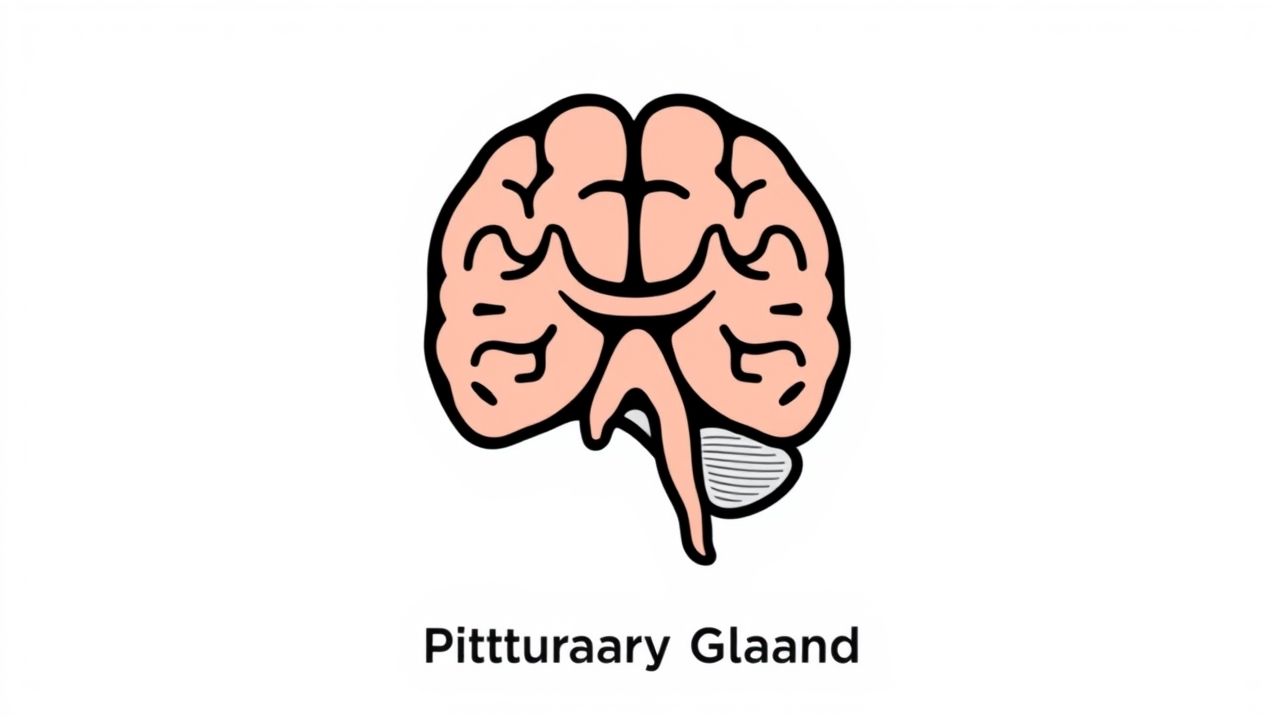
The pituitary gland, often referred to as the master gland, plays a crucial role in regulating many of the body’s hormones. When it becomes enlarged, either due to a tumor, hormonal imbalance, or other medical condition, the effects can be far-reaching and may impact multiple organs and systems. Recognizing the symptoms of an enlarged pituitary gland is essential for early detection and effective treatment. Because these symptoms can often mimic other health issues, understanding the details can help patients and healthcare providers address the condition before it leads to more severe complications.
Understanding the Pituitary Gland
The pituitary gland is a small pea-sized organ located at the base of the brain. Despite its small size, it produces hormones that regulate growth, reproduction, metabolism, and thyroid function. An enlarged pituitary gland usually indicates the presence of a pituitary adenoma, which is a noncancerous tumor. However, enlargement can also result from other conditions such as inflammation or hormonal overstimulation.
General Symptoms of an Enlarged Pituitary Gland
Since the pituitary gland controls multiple hormones, the symptoms of its enlargement can vary widely. These general symptoms often serve as early warning signs
- Persistent headaches due to pressure within the skull.
- Vision problems, particularly loss of peripheral vision, because the gland sits close to the optic nerves.
- Unexplained fatigue and weakness.
- Hormonal imbalances that can affect growth, reproduction, or thyroid activity.
Hormonal Symptoms Related to Enlargement
One of the most significant effects of an enlarged pituitary gland is its influence on hormone production. Depending on whether the tumor produces excess hormones or suppresses normal secretion, the symptoms may differ
Excess Growth Hormone
When the gland produces too much growth hormone, patients may experience
- Enlargement of hands, feet, or facial features.
- Joint pain and stiffness.
- Excessive sweating and oily skin.
Prolactin Overproduction
Excess prolactin secretion may cause
- Irregular or absent menstrual cycles in women.
- Unwanted breast milk production even when not pregnant.
- Reduced libido and erectile dysfunction in men.
ACTH Overproduction
When too much adrenocorticotropic hormone (ACTH) is produced, it can lead to Cushing’s disease. Symptoms may include
- Rapid weight gain, especially around the abdomen and face.
- Thinning skin that bruises easily.
- High blood pressure and blood sugar imbalances.
Thyroid-Stimulating Hormone (TSH) Increase
Overproduction of TSH can cause an overactive thyroid. Symptoms might include
- Unexplained weight loss.
- Rapid heartbeat or palpitations.
- Increased nervousness or irritability.
Symptoms Caused by Pressure Effects
Aside from hormonal changes, an enlarged pituitary gland can exert pressure on nearby structures in the brain. These pressure effects may cause
- Blurred or double vision due to pressure on the optic chiasm.
- Severe headaches that worsen over time.
- Nausea and vomiting related to increased intracranial pressure.
Symptoms in Men and Women
The impact of an enlarged pituitary gland can present differently in men and women because of its connection to reproductive hormones.
In Women
- Irregular menstrual cycles or complete absence of menstruation.
- Difficulty conceiving due to disrupted ovulation.
- Unexpected lactation unrelated to pregnancy or breastfeeding.
In Men
- Loss of sexual desire.
- Reduced sperm count, leading to infertility.
- Development of breast tissue in rare cases.
Long-Term Health Risks
If left untreated, an enlarged pituitary gland can lead to significant long-term health consequences. Chronic hormonal imbalances may result in conditions such as diabetes, osteoporosis, cardiovascular disease, or permanent vision loss. Early recognition of enlarged pituitary gland symptoms allows for timely medical intervention, which often includes medication, surgery, or radiation therapy depending on the severity.
When to Seek Medical Advice
It is important to seek medical attention if any of the following occur
- Unexplained and persistent headaches.
- Sudden changes in vision.
- Irregular menstrual cycles or fertility issues.
- Signs of hormonal imbalance such as rapid weight changes or unusual physical growth.
Managing Symptoms and Treatment Options
Once diagnosed, managing an enlarged pituitary gland often involves a combination of medical and lifestyle interventions. Doctors may recommend
- Medications to control hormone levels, such as dopamine agonists for prolactin-secreting tumors.
- Surgery, often through a minimally invasive transsphenoidal approach, to remove the tumor.
- Radiation therapy if surgery or medication is not fully effective.
The symptoms of an enlarged pituitary gland vary depending on the size of the gland and the type of hormonal imbalance present. From headaches and vision problems to more complex issues such as infertility or abnormal growth, recognizing these signs is critical for early diagnosis. With proper medical care, many patients are able to manage their condition effectively and maintain a good quality of life. Understanding the full range of enlarged pituitary gland symptoms helps promote awareness and encourages timely medical evaluation when needed.