Erosive pustular dermatosis of the scalp is a rare but increasingly recognized inflammatory skin condition that can lead to scarring, hair loss, and significant discomfort if left untreated. It often affects elderly individuals, particularly those with a history of scalp injury, sun damage, or prior surgical procedures on the scalp. Because of its complex presentation, the condition is frequently misdiagnosed, which may delay proper treatment. In medical coding, understanding how to classify this disorder with the correct ICD-10 code is important for accurate documentation, insurance claims, and clinical research. Exploring the causes, symptoms, diagnostic methods, management strategies, and ICD-10 classification of erosive pustular dermatosis of the scalp can help patients, caregivers, and healthcare professionals gain deeper insight into this challenging condition.
Understanding Erosive Pustular Dermatosis of the Scalp
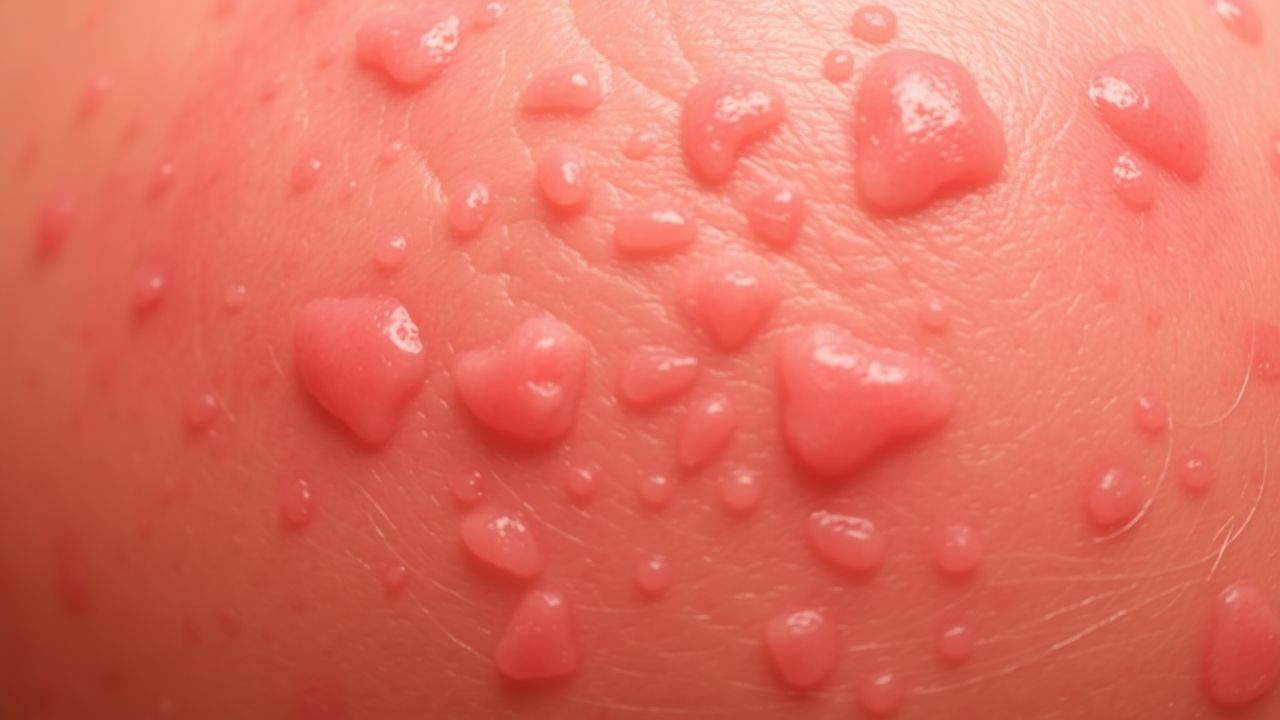
Erosive pustular dermatosis of the scalp is characterized by erosions, crusts, and pustules that primarily affect sun-damaged or previously traumatized skin on the scalp. Over time, these lesions can lead to atrophic scarring and permanent hair loss, making early recognition crucial. The condition is considered chronic and tends to relapse, which adds to the difficulty of management.
Who Is Most Commonly Affected?
This skin disorder is more common in elderly individuals, particularly women. Patients with extensive actinic damage, scarring alopecia, or prior surgical interventions on the scalp may be at higher risk. The role of aging skin, chronic inflammation, and delayed wound healing all contribute to the development of erosive pustular dermatosis.
Causes and Risk Factors
The exact cause of erosive pustular dermatosis of the scalp remains unclear, but several contributing factors have been identified
- Chronic sun damage that weakens the scalp skin barrier
- History of trauma or surgery to the scalp
- Use of topical or systemic medications that affect healing
- Underlying inflammatory conditions
- Secondary bacterial colonization that worsens symptoms
Clinical Presentation and Symptoms
Patients with erosive pustular dermatosis often report chronic, non-healing lesions on the scalp. These lesions can appear as crusted erosions, pustules, and inflamed patches that do not respond to standard treatments. Pain, tenderness, and progressive hair loss are common complaints. The cosmetic impact of scarring alopecia adds emotional and psychological challenges to the condition.
How It Differs from Other Scalp Disorders
This condition can resemble other dermatological problems such as bacterial infections, fungal infections, or autoimmune blistering diseases. However, unlike simple infections, erosive pustular dermatosis tends to persist despite antimicrobial therapy. Its chronic nature and association with scarring help distinguish it from more common scalp conditions.
Diagnosis of Erosive Pustular Dermatosis
Diagnosis is usually based on clinical examination, medical history, and exclusion of other diseases. Dermatologists may perform a scalp biopsy to rule out squamous cell carcinoma, infections, or autoimmune blistering disorders. Laboratory tests may be ordered if infection is suspected, but cultures often fail to explain the chronic nature of the disease.
Challenges in Diagnosis
Because the condition is rare, it is often misdiagnosed as chronic infection or actinic keratosis. This can lead to unnecessary antibiotic treatments or delays in receiving the proper care. Awareness of the condition among dermatologists and primary care providers is essential for early detection.
ICD-10 Coding for Erosive Pustular Dermatosis of the Scalp
Accurate medical coding is vital for recording diagnoses and facilitating appropriate reimbursement. In ICD-10 classification, erosive pustular dermatosis of the scalp does not have a unique, dedicated code. Instead, it is typically coded under broader categories of skin disorders.
Commonly Used ICD-10 Codes
- L98.8– Other specified disorders of skin and subcutaneous tissue. This is often applied when specific conditions like erosive pustular dermatosis are not listed individually.
- L98.9– Disorder of skin and subcutaneous tissue, unspecified. This may be used when documentation is insufficient to assign a more specific code.
- L08.89– Other specified local infections of skin and subcutaneous tissue, sometimes used if secondary infection is present alongside the dermatosis.
The choice of code depends on the clinical documentation and whether infection, inflammation, or scarring is emphasized in the patient’s medical record. Physicians and medical coders should document clearly to ensure the most accurate coding is applied.
Treatment and Management Options
Treatment of erosive pustular dermatosis of the scalp focuses on reducing inflammation, promoting healing, and preventing scarring. There is no single cure, and therapy often requires long-term management. Common approaches include
- Topical corticosteroids to reduce inflammation
- Topical calcineurin inhibitors such as tacrolimus for long-term maintenance
- Gentle wound care with antiseptic solutions
- Systemic treatments like oral retinoids in severe cases
- Management of secondary bacterial infection if present
Importance of Early Treatment
The sooner the condition is recognized and treated, the better the outcome in preventing permanent hair loss. Chronic inflammation that is left untreated can destroy hair follicles and cause scarring alopecia that is irreversible.
Prognosis and Long-Term Outcomes
Erosive pustular dermatosis of the scalp is a chronic condition with a tendency to relapse. Many patients require ongoing follow-up and periodic adjustments to treatment. While scarring cannot be reversed once established, early management helps minimize damage and improve quality of life.
Psychological and Social Impact
Beyond the physical discomfort, patients may struggle with the cosmetic effects of scalp scarring and hair loss. This can lead to reduced self-esteem, social withdrawal, and emotional distress. Supportive counseling and patient education can play an important role in overall management.
Erosive pustular dermatosis of the scalp is a rare but significant dermatological condition that requires careful diagnosis and long-term management. Although there is no unique ICD-10 code specifically dedicated to this disorder, related categories such as L98.8 and L98.9 are often applied for proper documentation. Raising awareness among healthcare professionals can help reduce misdiagnosis, ensure timely treatment, and prevent unnecessary complications. For patients, understanding the chronic nature of the disease and adhering to treatment plans can make a meaningful difference in both physical and emotional outcomes.