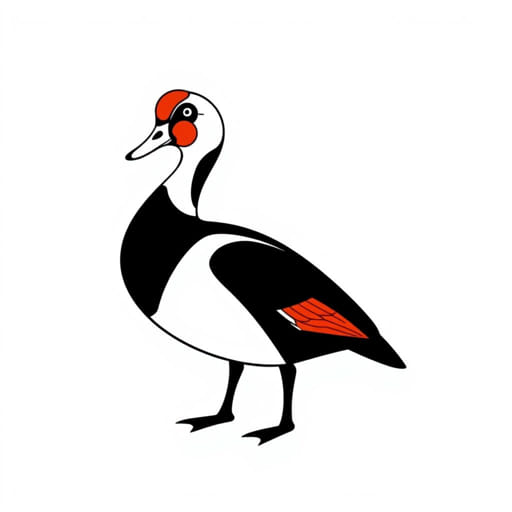
Muscovy ducks are a unique species of waterfowl known for their distinctive appearance, quiet demeanor, and adaptability to various environments. Native to Central and South America, these ducks have been domesticated in many parts of the world for meat, eggs, and ornamental purposes. Unlike other common ducks, Muscovy ducks have a calm and relatively silent nature, which makes them popular in backyard farming and small-scale poultry operations. Understanding the biology, behavior, habitat, and care requirements of Muscovy ducks provides valuable insight for enthusiasts, farmers, and wildlife observers alike.
Physical Characteristics
Muscovy ducks are notable for their large size, unique feather patterns, and striking facial features. Adult males, also called drakes, are significantly larger than females, weighing up to 15 pounds, while females typically weigh around 6 to 7 pounds. One of the most distinctive features of Muscovy ducks is the caruncle, a fleshy red or pink growth around the base of the beak and eyes. This feature is more pronounced in males and gives the species its unmistakable appearance.
Feather Patterns and Coloration
These ducks display a variety of feather colors, ranging from glossy black with white patches to pure white or mixed patterns. Domesticated breeds have been selectively bred for specific colors, while wild Muscovy ducks generally have darker plumage with iridescent green or purple highlights. Their feathers provide excellent insulation, allowing them to adapt to different climates, from tropical regions to temperate environments.
Legs, Feet, and Beak
Muscovy ducks have strong legs and webbed feet, making them excellent swimmers. Their claws are sharp, allowing them to perch on trees or navigate uneven terrain. The beak is broad and flat, adapted for foraging in water, mud, and grass. These physical adaptations make Muscovy ducks versatile in their natural habitats and suitable for free-range farming.
Behavior and Temperament
One of the unique aspects of Muscovy ducks is their calm and quiet nature. Unlike other duck species, they do not quack loudly; instead, they produce hissing sounds, coos, and soft murmurs. This makes them ideal for small farms or backyard settings where noise might be a concern. Muscovy ducks are also known to be more independent and less social than other domestic ducks, often foraging on their own or in small groups.
Foraging and Feeding Habits
Muscovy ducks are omnivores, consuming a wide range of food including insects, small fish, aquatic plants, and grains. They are skilled foragers, often rooting through soil or shallow water to find food. In domestic settings, they thrive on a balanced diet of commercial duck feed supplemented with vegetables, fruits, and occasional protein sources. Their foraging behavior also helps control insect populations, making them beneficial for integrated pest management in farms.
Breeding and Reproduction
Breeding Muscovy ducks requires understanding their seasonal and environmental needs. Females typically lay between 8 and 16 eggs per clutch, with incubation lasting around 35 days. Unlike many other ducks, Muscovy females are attentive mothers, protecting their young and teaching them to forage. Males may exhibit territorial behavior during mating season but generally do not participate in raising the ducklings. Understanding their reproductive behavior is important for anyone raising these ducks for eggs or population management.
Habitat and Distribution
Muscovy ducks are native to Mexico, Central America, and parts of South America, but domesticated populations exist worldwide. Wild Muscovy ducks prefer wooded wetlands, lakes, and rivers where they can find both food and shelter. Domesticated Muscovy ducks are highly adaptable and can thrive in a variety of environments, including backyard ponds, farmyards, and urban green spaces. Their ability to perch on trees and roost in elevated areas distinguishes them from most other duck species.
Wild vs. Domesticated Populations
Wild Muscovy ducks are generally smaller, leaner, and darker in coloration compared to domesticated breeds. Domesticated Muscovy ducks have been selectively bred for larger size, meat production, and specific feather colors. Despite these differences, both wild and domestic ducks share similar dietary preferences, behavior patterns, and adaptability to water and land habitats.
Uses and Benefits
Muscovy ducks are valued for a variety of practical and ecological reasons. Their meat is leaner and lower in fat than many other duck species, making it popular in culinary applications. They also produce eggs, although at a lower rate than commercial egg-laying ducks. Beyond food production, Muscovy ducks serve ecological purposes such as controlling insect populations, fertilizing soil through their droppings, and maintaining healthy wetland ecosystems.
Farming and Meat Production
On small farms and in backyard settings, Muscovy ducks are raised primarily for their meat, which is flavorful and considered healthier due to lower fat content. They grow relatively slowly compared to other ducks but reach substantial sizes, making them ideal for niche markets and artisanal food production. Additionally, their hardy nature reduces the need for intensive care and allows for free-range or semi-free-range farming.
Ecological and Ornamental Roles
Muscovy ducks contribute to biodiversity and ecological balance. In ponds and wetlands, they help control pests, maintain aquatic vegetation, and support nutrient cycling. Many people also keep Muscovy ducks for ornamental purposes due to their unique appearance and gentle nature. They are often used in educational settings to teach about wildlife, domestication, and animal behavior.
Health and Care Considerations
Raising Muscovy ducks requires attention to their dietary, environmental, and health needs. They need clean water for drinking and bathing, a secure place for roosting, and protection from predators. Regular health checks can prevent diseases such as avian influenza or parasites. Understanding their specific needs helps ensure that these ducks thrive in both domestic and semi-wild settings.
Common Health Issues
Muscovy ducks are generally hardy but can face health challenges if neglected. Issues may include respiratory infections, parasites, or foot problems if their living areas are wet or unsanitary. Preventive care, proper nutrition, and clean housing are essential to maintain healthy populations. Vaccinations and parasite control can also be beneficial, especially in farm settings.
Interesting Facts About Muscovy Ducks
- Muscovy ducks are quieter than most other duck species, producing soft hisses instead of loud quacks.
- They have a distinctive caruncle, a red fleshy growth around the face, especially prominent in males.
- Domesticated Muscovy ducks are larger and bred for meat, while wild ones are smaller and leaner.
- They are excellent foragers and omnivorous, eating insects, plants, and small aquatic animals.
- Muscovy ducks can perch on trees, a rare trait among duck species.
- They are highly adaptable and can thrive in both tropical and temperate climates.
- Females are attentive mothers, incubating eggs and teaching ducklings to forage.
Muscovy ducks are a fascinating species with unique physical characteristics, behavior, and ecological roles. Their adaptability, quiet nature, and foraging skills make them valuable for both domestic farming and ecological purposes. Understanding their biology, care requirements, and practical uses allows farmers, hobbyists, and wildlife enthusiasts to appreciate the full range of benefits these ducks provide. Whether for meat production, pest control, or ornamental enjoyment, Muscovy ducks remain an important and intriguing species in both wild and domestic settings.