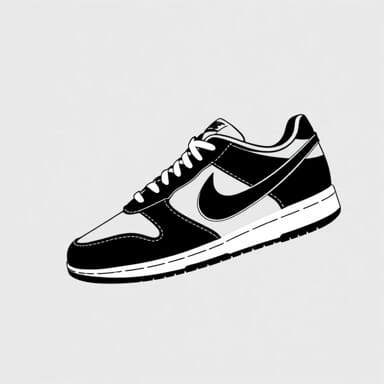
Nike, one of the most recognizable names in the global footwear and sportswear industry, has revolutionized the way athletes and casual users experience comfort, style, and performance. The story of Nike is not just about shoes; it is about innovation, marketing genius, and the vision of its founders who transformed a small footwear operation into an international empire. Understanding the origins of Nike and the role of its initiators provides insight into how one brand has influenced sports culture, fashion, and global business for decades.
The Origins of Nike
Nike was originally founded as Blue Ribbon Sports in 1964 by Bill Bowerman, a track-and-field coach at the University of Oregon, and his former student Phil Knight. The company initially operated as a distributor for the Japanese shoemaker Onitsuka Tiger, selling shoes from the trunk of Knight’s car at track meets. Despite humble beginnings, the founders were driven by a desire to improve athletic performance through innovative footwear design and technology. Their hands-on approach and understanding of athletes’ needs set the stage for Nike’s eventual rise to prominence.
Bill Bowerman The Innovator
Bill Bowerman, often referred to as the initiator of Nike’s innovation culture, played a crucial role in the development of Nike footwear. Bowerman’s obsession with improving running performance led him to experiment with shoe designs, experimenting with different materials and sole patterns. One of his most famous contributions was the creation of the waffle sole, inspired by the pattern of his wife’s waffle iron. This design provided superior traction and lightweight performance, setting Nike apart from other competitors and cementing its reputation as an innovative brand.
Phil Knight The Visionary Entrepreneur
Phil Knight, co-founder of Nike, brought the business acumen needed to turn innovative shoe designs into a global brand. Knight’s vision was not limited to product development; he understood the importance of marketing, branding, and international expansion. He was instrumental in building Nike into a powerhouse, establishing relationships with athletes, sports teams, and retailers. Knight’s focus on strategic growth, branding, and competitive pricing helped Nike transition from a small regional company to a global leader in athletic footwear.
The Birth of the Nike Brand
In 1971, the company officially became Nike, named after the Greek goddess of victory. This rebranding coincided with the creation of the iconic Swoosh logo, designed by graphic designer Carolyn Davidson for a modest fee. The Swoosh symbolized speed, movement, and the idea of winning, perfectly capturing the essence of the brand. Nike also introduced its first line of running shoes under its own name, emphasizing performance, comfort, and style. This marked the beginning of Nike’s transformation from a small operation to a household name recognized worldwide.
Marketing and Athlete Endorsements
Nike’s success was fueled by innovative marketing strategies, particularly athlete endorsements. By partnering with top athletes, including Michael Jordan, Serena Williams, and Tiger Woods, Nike created a strong association between high performance and its products. The Just Do It campaign, launched in 1988, became an iconic slogan that transcended sports and became part of popular culture. These strategies not only increased brand loyalty but also positioned Nike as a symbol of achievement, determination, and athletic excellence.
Technological Innovations in Nike Footwear
Nike has consistently pushed the boundaries of footwear technology to enhance athletic performance. The company invests heavily in research and development, creating innovative materials, cushioning systems, and ergonomic designs. Some notable innovations include
- Air Cushioning TechnologyIntroduced in the late 1970s, Nike Air provides superior shock absorption and comfort, revolutionizing running shoes and influencing the entire athletic footwear industry.
- Flyknit ConstructionThis lightweight and breathable material allows for a precise fit, enhancing flexibility and reducing weight, particularly in running shoes and basketball sneakers.
- React FoamNike’s proprietary foam offers responsive cushioning and energy return, improving performance for both casual runners and professional athletes.
- Zoom AirA low-profile cushioning system designed for quick responsiveness, widely used in basketball and high-performance running shoes.
Impact on Sports Culture
Nike’s influence extends beyond footwear technology; it has shaped sports culture and lifestyle trends worldwide. By sponsoring major events, athletes, and sports leagues, Nike has created a global presence that transcends traditional athletic boundaries. From streetwear fashion to professional sports, the brand has become synonymous with excellence, style, and aspiration. Its products are not only tools for athletic performance but also symbols of identity and personal achievement.
Global Expansion and Brand Presence
Nike’s journey from a small distributor to a global giant involved strategic international expansion. The brand established retail stores, online platforms, and partnerships in numerous countries, making Nike accessible to millions of consumers. Its global presence is supported by consistent marketing, localized campaigns, and a commitment to quality and innovation. Nike’s ability to adapt to regional markets while maintaining a strong brand identity has been a key factor in its sustained success.
Challenges and Adaptations
Despite its success, Nike has faced challenges such as competition from other brands, changing consumer preferences, and ethical concerns related to manufacturing. The company has addressed these issues by embracing sustainable practices, investing in ethical manufacturing, and innovating products to meet evolving consumer demands. Nike’s adaptability and commitment to continuous improvement have ensured its position as a leading brand in the competitive footwear industry.
Famous Footwear Nike owes its global recognition to the visionary initiators Bill Bowerman and Phil Knight, who combined innovation, entrepreneurship, and marketing genius to build an enduring brand. From its humble beginnings as Blue Ribbon Sports to becoming a worldwide symbol of athletic performance and style, Nike has consistently pushed the boundaries of technology, design, and culture. Its focus on quality, innovation, and customer engagement ensures that it remains a leader in the footwear industry. Whether for professional athletes or casual wearers, Nike continues to inspire, motivate, and define what it means to Just Do It, solidifying its legacy as a pioneering force in sports and fashion.