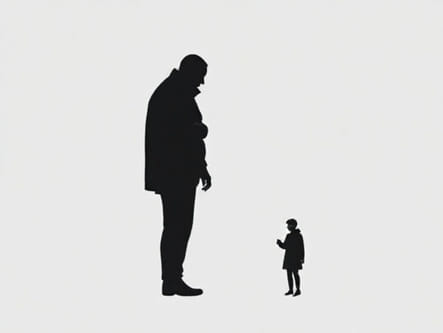
In the vibrant and evolving literary landscape of Renaissance France, few figures stood out as boldly and provocatively as the French writer François Rabelais. A master of satire and a pioneer of humanist thought, Rabelais created some of the most memorable and outrageous characters in European literature, one of whom was the giant Gargantua. Known for his expansive imagination, deep intellectual inquiry, and comedic brilliance, Rabelais shaped an entirely unique literary universe that both entertained and educated his readers. His creation of Gargantua was more than a feat of storytelling it was a statement about knowledge, power, and the absurdity of human institutions.
François Rabelais A Brief Biography
François Rabelais was born around 1494, likely in Chinon, France. Initially trained as a monk, Rabelais later pursued studies in medicine and the classical humanities. He became a physician and a scholar, deeply immersed in Greek and Latin texts, which influenced his writing style. The Renaissance spirit of curiosity, humanism, and challenge to authority infused his works. Rabelais was also known for his wit, irreverence, and commitment to intellectual freedom, often using humor and exaggeration to question religious and political conventions.
The Origin of Gargantua
The character Gargantua first appeared in Rabelais’ second book, titledThe Life of Gargantua and of Pantagruel. Although the first book centers on Gargantua’s son Pantagruel, the second book is dedicated to Gargantua himself. Gargantua is portrayed as a giant born to Grandgousier and Gargamelle, embodying both immense physical size and intellectual growth. His name has since become synonymous with excess, largeness, and appetite, both literal and metaphorical.
Satirical Symbolism
Through the figure of Gargantua, Rabelais explores the folly of outdated educational systems, the abuse of religious institutions, and the need for rational inquiry. The novel follows Gargantua’s early education, which begins in a scholastic and dogmatic setting, only to be replaced by a more progressive and humanistic method of learning. This change in education mirrors the Renaissance shift from medieval scholasticism to modern humanism. Gargantua’s growth in wisdom is symbolic of humanity’s potential when liberated from oppressive traditions.
Gargantua’s World and Themes
Rabelais’ works were filled with humor, hyperbole, and an often bawdy tone, yet beneath the surface lay serious philosophical and cultural commentary. Gargantua’s adventures include absurd battles, parodic descriptions of monastic life, and philosophical discussions about war, justice, and education. The stories blend myth, folklore, and classical references, making them rich and layered.
Education and Enlightenment
One of the central themes in the story of Gargantua is the importance of a well-rounded and rational education. His transformation from a child subject to rote learning into a wise and reflective man is a core narrative arc. Rabelais advocates for physical, intellectual, and spiritual development a holistic view that was radical for the time.
The Abbey of Thélème
Perhaps one of Rabelais’ most enduring ideas is the fictional Abbey of Thélème, introduced inGargantua. Unlike traditional monasteries, this abbey has only one rule Do what thou wilt. This notion celebrates free will, personal responsibility, and individual growth. It serves as Rabelais’ vision of an ideal society, where people are guided by reason and not forced by rigid dogma.
The Impact of Rabelais and Gargantua
François Rabelais’ contribution to literature extends far beyond his humorous storytelling. He broke boundaries of genre and tone, blending comedy, philosophy, and fiction in a way that was unprecedented. His work influenced numerous writers and thinkers in the centuries to follow. Writers such as Jonathan Swift, Laurence Sterne, and James Joyce drew inspiration from his irreverent and expansive narrative style.
Controversies and Censorship
Despite his literary brilliance, Rabelais faced significant opposition during his lifetime. His writings were often criticized by the Church, and some of his books were temporarily banned. The earthy humor, criticism of religious figures, and philosophical ideas presented inGargantua and Pantagruelwere seen as dangerous by conservative forces. Nonetheless, Rabelais persisted, and his works survived due to their intellectual power and literary merit.
Legacy in Modern Culture
The adjective gargantuan, meaning enormous, is a direct legacy of Rabelais’ giant. The cultural imprint of Gargantua has extended into art, theater, philosophy, and even culinary discourse. His celebration of food, drink, and physical pleasures while comical also serves as a metaphor for the richness of human experience. The character remains a symbol of unrestrained curiosity and joy in life.
Literary Style and Innovation
Rabelais’ writing style is highly distinctive, characterized by elaborate lists, invented words, and long digressions. He played with language, often coining terms and utilizing puns, double entendres, and satire. This playful use of language reflects both his linguistic mastery and his view that literature should engage and challenge the reader. His prose was not merely for entertainment; it was a tool for critical thinking and reflection.
Humanism and Humor
At the heart of Rabelais’ philosophy was a deep humanism. He believed in the potential for human beings to reason, to learn, and to govern themselves wisely. Humor was his chosen method to expose folly, hypocrisy, and ignorance. By laughing at absurdities, Rabelais invited his readers to think more deeply about their own lives and societies.
Why Gargantua Still Matters
The enduring relevance of the French writer who created the character Gargantua lies in the power of his ideas. François Rabelais did not merely invent a humorous giant; he built a world in which knowledge, joy, and freedom were central themes. Gargantua serves as a towering figure of Renaissance literature, representing the boundless potential of the human mind. In an age where critical thinking and creative freedom are ever important, Rabelais’ works continue to offer both laughter and wisdom.
Through the lens of Gargantua, Rabelais critiques authority, celebrates education, and embraces the complexity of human experience. His contribution to French literature and world literature remains monumental. As readers revisit these stories, they find not just a tale of giants and jesters, but a rich exploration of what it means to be human.