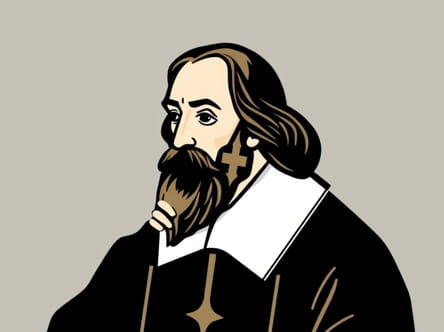
The Age of Chaucer, spanning the late 14th century, is considered a golden era in English literary history. This period saw the emergence of writers whose works laid the foundation for modern English literature. The writers of the Age of Chaucer combined medieval traditions with new ideas, creating a bridge between the medieval world and the Renaissance. Their writings reflected the social, religious, and political life of England, exploring themes of morality, human behavior, and the complexities of society. Understanding the important writers of this age provides insight into how English literature evolved during a time of great cultural transformation.
Geoffrey Chaucer
Geoffrey Chaucer, often called the Father of English Literature,” is the central figure of this period. His works elevated the English language, proving it could rival Latin and French in literary expression. Chaucer’s writing is celebrated for its vivid characters, rich storytelling, and deep understanding of human nature.
Major Works
- The Canterbury Tales– A collection of stories told by pilgrims traveling to Canterbury, offering a detailed portrayal of medieval society.
- Troilus and Criseyde– A tragic romance set during the Trojan War, showcasing Chaucer’s narrative skill and poetic style.
- The Book of the Duchess– An elegy for Blanche of Lancaster, blending dream vision with personal grief.
Contribution to Literature
Chaucer expanded the possibilities of vernacular English, introducing sophisticated narrative techniques and a wide range of poetic meters. His realistic portrayal of characters from different social classes set a new standard for English narrative poetry.
William Langland
William Langland is best known for his allegorical and satirical poemPiers Plowman. His work reflects a deep concern for the moral and spiritual state of society, offering a critique of corruption in the Church and the struggles of the common people.
Major Work
- Piers Plowman– An allegorical dream vision that follows the narrator’s quest for a true Christian life, blending social commentary with theological reflection.
Contribution to Literature
Langland’s writing stands out for its moral seriousness and complex allegorical structure. His work provides valuable insight into the religious and social concerns of late medieval England.
John Gower
John Gower was a contemporary and friend of Chaucer, known for his moralistic and didactic poetry. He wrote in English, Latin, and French, reflecting the multilingual culture of medieval England.
Major Works
- Confessio Amantis– A long narrative poem in English that blends moral lessons with romantic tales.
- Vox Clamantis– A Latin poem reflecting on the Peasants’ Revolt of 1381 and criticizing social disorder.
- Mirour de l’Omme– A French poem dealing with moral and theological themes.
Contribution to Literature
Gower’s works emphasize moral instruction and social order, and his trilingual output demonstrates the literary diversity of the period. His writings complement Chaucer’s by offering a more overtly moral perspective.
Sir Thomas Malory (Late Medieval Influence)
Although slightly later than the core Age of Chaucer, Sir Thomas Malory’s work marks the continuation of medieval storytelling traditions into the early Renaissance. His retelling of Arthurian legends preserved and popularized chivalric ideals.
Major Work
- Le Morte d’Arthur– A compilation and reworking of Arthurian tales, which became one of the most influential sources of the legend in English literature.
Contribution to Literature
Malory’s work solidified the Arthurian tradition in English culture, blending heroism, romance, and tragedy in a way that resonated for centuries.
Julian of Norwich
Julian of Norwich was a Christian mystic whose theological writings stand apart from the secular literature of her time. Her work reflects deep spiritual insight and offers a unique female perspective on faith in the medieval era.
Major Work
- Revelations of Divine Love– The first known book written in English by a woman, recording her mystical visions and reflections on God’s love.
Contribution to Literature
Julian’s writings are valued for their profound theology and personal voice. Her optimism and emphasis on divine love contrast with the harsher religious tones of some contemporaries.
Religious and Anonymous Writers
The Age of Chaucer also included numerous anonymous works that shaped English literary tradition. Many religious texts, sermons, and allegorical poems from this era played an important role in shaping moral and cultural values.
Notable Examples
- The Pearl Poet– Author ofPearl,Sir Gawain and the Green Knight, and other alliterative poems, blending chivalric adventure with moral symbolism.
- The Mystery Plays– Religious dramas performed in towns and cities, bringing biblical stories to life for ordinary people.
Contribution to Literature
These works preserved oral storytelling traditions and brought literature to a wider audience, influencing the development of drama and narrative poetry.
Social and Cultural Context
The writers of the Age of Chaucer were shaped by the events of their time, including the Hundred Years’ War, the Black Death, and the Peasants’ Revolt. Their works reflect both the hardships and aspirations of a society in transition.
Influence of the Church
The Church played a central role in medieval life, influencing themes, language, and the moral focus of literature. Many works blended religious and secular elements.
Language Development
This period saw Middle English gain prominence as a literary language. Writers like Chaucer proved that English could be as expressive and sophisticated as Latin or French.
- Geoffrey Chaucer revolutionized English literature with vivid narratives and social realism.
- William Langland explored moral and religious themes through allegory.
- John Gower blended moral lessons with multilingual literary output.
- Julian of Norwich offered unique theological insights from a female perspective.
- Anonymous poets enriched the tradition with religious and chivalric tales.
The important writers of the Age of Chaucer helped define the trajectory of English literature. From Chaucer’s lively portraits of medieval life to Langland’s moral allegories and Julian of Norwich’s spiritual visions, their works capture the intellectual and cultural spirit of the 14th century. They bridged the gap between oral tradition and literary sophistication, paving the way for the Renaissance and the flowering of English letters. By studying these writers, we not only gain a deeper understanding of medieval literature but also appreciate the enduring human themes that continue to resonate across centuries.