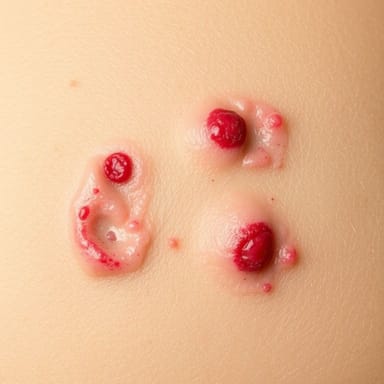
Erosive pustular dermatosis (EPD) is a rare skin condition that primarily affects older adults, often appearing on sun-damaged or previously injured skin. It is characterized by chronic erosions, crusts, and pustules, most commonly on the scalp and sometimes on the legs. Many people who develop erosive pustular dermatosis worry about whether it could be cancerous, given its persistent lesions and appearance. Understanding the nature of EPD, its symptoms, underlying causes, and potential risks is essential for distinguishing it from malignant skin conditions and managing it effectively.
What is Erosive Pustular Dermatosis?
Erosive pustular dermatosis is a chronic inflammatory skin disorder that results in painful, crusted lesions with pustules. The condition is non-infectious and primarily affects older adults, usually over 60 years old. It often develops in areas of skin that have undergone prior trauma, sun damage, or surgical procedures. Although it can resemble certain skin cancers or infections, EPD itself is not considered malignant or cancerous.
Common Symptoms of Erosive Pustular Dermatosis
The symptoms of EPD can vary but typically include
- Crusting and scaling of the skin
- Pustules and erosions that may ooze or bleed
- Chronic, non-healing lesions that persist for months or years
- Redness and inflammation around affected areas
- Thinning or loss of hair in the affected regions, particularly on the scalp
Causes and Risk Factors
The exact cause of erosive pustular dermatosis is not fully understood, but it is believed to result from a combination of chronic inflammation, skin trauma, and impaired healing. Several factors increase the risk of developing EPD
- Age-related changes in the skin, particularly in older adults
- History of sun-damaged or atrophic skin
- Previous surgical procedures, burns, or skin injuries
- Underlying autoimmune or inflammatory conditions
- Prolonged use of topical steroids or other medications that thin the skin
Is Erosive Pustular Dermatosis Cancerous?
Erosive pustular dermatosis is not classified as cancerous. It is a chronic inflammatory condition rather than a malignancy. However, because its appearance can mimic certain types of skin cancer, such as squamous cell carcinoma or basal cell carcinoma, medical evaluation is crucial. Biopsy and histopathological examination are often necessary to rule out cancer and confirm the diagnosis of EPD.
Why EPD Can Be Confused with Skin Cancer
- Persistent, non-healing lesions can resemble malignant ulcers.
- Crusting and scaling may mimic superficial skin tumors.
- Pustules and erosions on sun-damaged skin can raise concern for actinic keratosis or squamous cell carcinoma.
Despite these similarities, a dermatologist can differentiate EPD from cancer through clinical evaluation, biopsy, and reviewing the patient’s medical history.
Diagnosis of Erosive Pustular Dermatosis
Diagnosis of EPD typically involves a combination of physical examination, patient history, and laboratory testing. Dermatologists may perform a skin biopsy to examine the tissue under a microscope, which helps distinguish EPD from other conditions such as infections, autoimmune diseases, or skin cancers.
Key Steps in Diagnosis
- Detailed patient history, including prior skin trauma or sun exposure
- Physical examination of the affected areas for crusting, pustules, and inflammation
- Skin biopsy to rule out malignant or infectious causes
- Blood tests to detect underlying autoimmune or inflammatory disorders
Treatment Options
Treatment of erosive pustular dermatosis focuses on reducing inflammation, promoting healing, and preventing secondary infections. While EPD is not cancerous, its chronic nature can cause discomfort and increase susceptibility to infections.
Medical Treatments
- Topical corticosteroids to reduce inflammation and irritation
- Topical calcineurin inhibitors as alternatives to steroids for long-term use
- Systemic antibiotics if secondary bacterial infections occur
- Moisturizers and barrier creams to support skin healing
Other Management Strategies
- Avoiding further trauma to the affected skin
- Protecting the skin from sun exposure using hats, clothing, or sunscreen
- Regular monitoring by a dermatologist to assess healing and detect any suspicious changes
Potential Complications
Although EPD itself is not malignant, untreated lesions can lead to complications, including
- Secondary bacterial infections due to chronic skin erosions
- Permanent hair loss in affected areas
- Skin atrophy or scarring over time
- Psychological impact due to chronic visible lesions
Prevention and Long-Term Care
Preventing erosive pustular dermatosis involves protecting skin from trauma and excessive sun exposure, as well as managing underlying inflammatory or autoimmune conditions. For individuals with EPD, long-term care includes regular dermatological check-ups, gentle skin care routines, and prompt treatment of new lesions.
Tips for Skin Health with EPD
- Use mild, non-irritating cleansers and moisturizers
- Avoid scratching or picking at lesions to prevent secondary infection
- Wear protective clothing and use sunscreen to reduce sun damage
- Follow prescribed topical or systemic treatments consistently
- Monitor the skin regularly for changes that may suggest other conditions
Erosive pustular dermatosis is a chronic, inflammatory skin condition that is not cancerous. While it can appear alarming due to persistent crusted lesions and pustules, it is distinct from malignant skin diseases. Proper diagnosis by a dermatologist, often involving a biopsy, is essential to rule out skin cancer and confirm EPD. With appropriate treatment and long-term management, symptoms can be controlled, complications minimized, and skin health maintained. Understanding that EPD is not malignant helps reduce anxiety while emphasizing the importance of professional evaluation and consistent care for optimal outcomes.