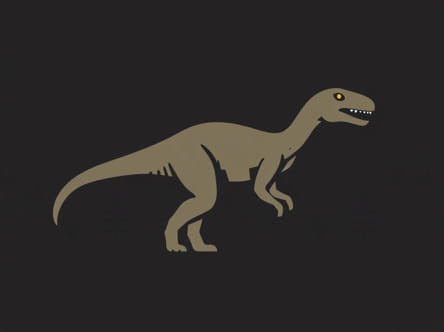
The Triassic extinction was one of the major mass extinction events in Earth’s history, occurring around 201 million years ago. This event dramatically reshaped life on our planet, wiping out nearly half of all species, including numerous marine reptiles, amphibians, and early archosaurs. Understanding the reasons behind the Triassic extinction involves examining a complex interplay of geological, climatic, and possibly extraterrestrial factors. Scientists have studied fossil records, sediment layers, and geochemical evidence to piece together the causes of this catastrophic event, which paved the way for the rise of dinosaurs during the Jurassic period. The Triassic extinction highlights the vulnerability of life to rapid environmental changes and offers insight into the factors that can trigger large-scale species die-offs.
Geological Evidence of the Triassic Extinction
Fossil records from the late Triassic period show a sudden decline in biodiversity across multiple ecosystems. Marine life such as ammonoids, bivalves, and certain reef-building organisms suffered severe losses, while terrestrial ecosystems saw the disappearance of large amphibians and some reptile groups. Geological evidence points to significant volcanic activity during this period, particularly associated with the Central Atlantic Magmatic Province (CAMP). Massive lava flows and the release of volcanic gases such as carbon dioxide and sulfur dioxide could have caused rapid climate changes, ocean acidification, and environmental stress, creating conditions hostile to many species.
Climate Change as a Driving Factor
One of the leading explanations for the Triassic extinction is extreme climate change triggered by volcanic activity. Large-scale eruptions released enormous quantities of greenhouse gases into the atmosphere, leading to global warming. Temperatures may have risen significantly over a relatively short period, destabilizing ecosystems and altering the balance of species survival. Ocean temperatures also likely increased, reducing oxygen levels in marine environments and leading to widespread anoxia. These conditions created a hostile environment for many marine and terrestrial organisms, contributing to mass die-offs.
Role of Ocean Chemistry and Anoxia
Changes in ocean chemistry played a crucial role in the Triassic extinction. Evidence from sedimentary rocks indicates that oceans became increasingly acidic and oxygen-poor during this period. Anoxia, or the depletion of oxygen in seawater, can cause massive die-offs of marine life, particularly those species unable to migrate or adapt quickly. Additionally, volcanic emissions may have released mercury and other toxic elements into the oceans, further stressing marine ecosystems. The combination of warming, acidification, and anoxia created conditions that were unsustainable for a wide range of marine species.
Possible Asteroid or Comet Impact
While volcanic activity and climate change are considered primary drivers, some scientists have suggested that an asteroid or comet impact may have contributed to the Triassic extinction. Evidence for this hypothesis is less definitive than for other mass extinctions, such as the end-Cretaceous event, but some studies point to impact craters and global sediment disturbances that could be linked to extraterrestrial collisions. An impact could have caused rapid environmental changes, including shockwaves, fires, and atmospheric dust, further exacerbating the stresses already imposed by volcanism and climate change.
Biological Consequences of the Triassic Extinction
The consequences of the Triassic extinction were profound. Many dominant groups of reptiles and amphibians vanished, allowing new species to emerge and fill ecological niches. The extinction event cleared the way for dinosaurs to diversify and dominate terrestrial ecosystems during the Jurassic. Marine ecosystems also experienced significant shifts, with surviving species adapting to the altered chemical and temperature conditions of the oceans. Studying these biological consequences provides insight into how ecosystems recover after mass extinctions and the long-term evolutionary impacts of environmental crises.
Patterns of Species Loss and Survival
Analysis of fossil data reveals patterns in which certain species were more vulnerable to extinction than others. Species with limited geographic ranges or specialized ecological niches were often more susceptible to environmental stress, while generalist species with flexible diets or habitats had higher survival rates. This selective survival influenced the evolutionary trajectory of life on Earth, shaping the dominance of certain lineages and the emergence of new forms. Understanding these patterns helps paleontologists predict how modern species might respond to rapid environmental changes.
Interactions Between Multiple Extinction Drivers
The Triassic extinction likely resulted from the interplay of several factors rather than a single cause. Volcanism, climate change, ocean anoxia, and potential asteroid impacts may have acted together to create a cascade of environmental stresses. For example, volcanic activity could have warmed the planet and altered ocean chemistry, while an impact could have added sudden disruptions to already fragile ecosystems. This combination of gradual and sudden pressures would have increased the vulnerability of species and amplified the extinction process.
Lessons for Modern Climate and Environmental Studies
Studying the Triassic extinction provides valuable lessons for understanding the potential impacts of rapid environmental change today. Modern human activities, including greenhouse gas emissions, habitat destruction, and pollution, are creating conditions that can parallel some of the stresses experienced during past mass extinctions. By examining how life responded to the Triassic extinction, scientists gain insights into ecosystem resilience, adaptation, and the risks of biodiversity loss. This knowledge underscores the importance of sustainable environmental practices and proactive conservation efforts to prevent future mass die-offs.
The reason for the Triassic extinction is complex, involving volcanic activity, rapid climate change, ocean anoxia, and possibly extraterrestrial impacts. Each of these factors contributed to an environment that was increasingly inhospitable for many species, leading to widespread loss of life in both terrestrial and marine ecosystems. The event reshaped the evolutionary landscape, allowing new species to emerge and dominate in the Jurassic period. By studying the Triassic extinction, scientists gain a deeper understanding of the interplay between geological processes, climate change, and biological evolution. These insights are crucial for predicting and mitigating the impacts of current and future environmental challenges, demonstrating the enduring relevance of ancient mass extinction events to the modern world.