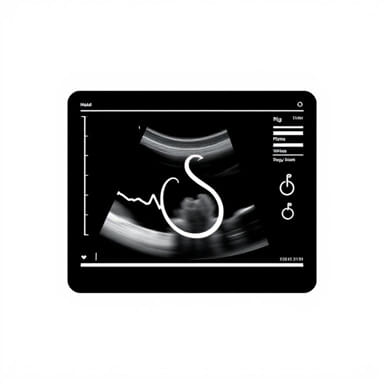
Expecting a child is a period filled with anticipation and hope, but it also comes with the responsibility of ensuring the health and well-being of the developing baby. Among the various prenatal tests available, a fetal echocardiogram stands out as a specialized procedure that examines the structure and function of the baby’s heart in the womb. This non-invasive imaging test can detect congenital heart defects early, allowing healthcare providers and parents to prepare for appropriate medical interventions if necessary. Understanding the reasons to have a fetal echocardiogram is vital for expecting parents, particularly when certain risk factors or medical conditions are present.
Understanding Fetal Echocardiogram
A fetal echocardiogram, also called a fetal echo, uses high-frequency sound waves to produce detailed images of the baby’s heart while still in the uterus. Unlike a standard prenatal ultrasound, which provides a general view of the fetus, a fetal echocardiogram focuses specifically on cardiac anatomy and function. This procedure allows doctors to evaluate the chambers, valves, and blood vessels, as well as the overall heart rhythm and blood flow patterns.
How It Works
The procedure is generally performed between 18 and 24 weeks of gestation, although it can be done earlier or later depending on medical indications. A transducer is placed on the mother’s abdomen, sending sound waves that bounce off the baby’s heart. These waves are then converted into real-time images that can be analyzed for any structural or functional abnormalities.
Medical Indications for a Fetal Echocardiogram
Several medical and family history factors may indicate the need for a fetal echocardiogram. These factors help identify pregnancies at higher risk for congenital heart defects or other cardiac issues.
Family History of Heart Defects
If a close family member, such as a parent or sibling, has a congenital heart defect, the risk of the baby having a similar condition increases. A fetal echocardiogram can help detect hereditary patterns early, allowing for monitoring and preparation.
Maternal Health Conditions
Certain maternal medical conditions can affect fetal heart development, making a fetal echocardiogram advisable. These conditions include
- Pre-existing diabetes, which may increase the risk of congenital heart defects
- Autoimmune diseases such as lupus, which can affect fetal circulation
- High blood pressure or preeclampsia that may influence placental and cardiac function
Abnormal Findings in Routine Ultrasound
If a standard prenatal ultrasound detects unusual findings related to the heart or major blood vessels, a fetal echocardiogram is typically recommended. This may include abnormal heart size, irregular rhythms, or unusual blood flow patterns.
Exposure to Teratogens
Exposure to certain medications, infections, or environmental toxins during pregnancy may increase the risk of heart abnormalities in the fetus. A fetal echocardiogram provides detailed imaging to assess any potential impact.
Chromosomal or Genetic Concerns
Conditions such as Down syndrome, Turner syndrome, or other genetic syndromes are often associated with congenital heart defects. In such cases, a fetal echocardiogram can help identify specific cardiac anomalies that may influence pregnancy management or postnatal care.
Benefits of Early Detection
Detecting heart problems before birth offers several advantages for both parents and healthcare providers. Early diagnosis can significantly improve outcomes and facilitate timely interventions.
Planning for Delivery
If a congenital heart defect is detected, the delivery can be planned in a hospital equipped with specialized neonatal cardiac care. This ensures that the baby receives immediate attention and any necessary procedures as soon as possible after birth.
Medical Intervention Before Birth
In certain rare cases, fetal cardiac interventions may be possible before birth, such as procedures to open narrowed valves or relieve obstructions. Early detection allows the medical team to evaluate whether these interventions are suitable.
Parental Preparation
Learning about potential heart issues before delivery enables parents to emotionally and practically prepare for their baby’s needs. This may include arranging consultations with pediatric cardiologists, understanding potential surgeries, and planning for specialized care at home.
Who Should Consider a Fetal Echocardiogram?
While not every pregnancy requires a fetal echocardiogram, certain groups are strongly advised to consider the procedure
High-Risk Pregnancies
Mothers with pre-existing health conditions, multiple pregnancies, or previous children with heart defects fall into the high-risk category. For these pregnancies, fetal echocardiography is a crucial tool for monitoring fetal heart health.
Maternal Age Considerations
Advanced maternal age may be associated with increased risks of chromosomal abnormalities, some of which are linked to heart defects. In such cases, a fetal echocardiogram provides additional safety and reassurance.
Fetal Growth Concerns
If the fetus is experiencing growth restrictions or other developmental concerns, a detailed evaluation of cardiac function can help determine whether these issues are related to or affecting the heart.
Procedure and Expectations
A fetal echocardiogram is non-invasive and generally poses no risk to the mother or baby. The procedure usually takes 30 to 60 minutes, depending on the complexity of the evaluation. Patients are advised to have a moderately full bladder for better imaging, and they may be asked to change positions to obtain optimal views of the heart.
Results Interpretation
The images obtained are analyzed by a specialized pediatric cardiologist or a maternal-fetal medicine expert. Results are typically shared with the patient and the obstetrician, and further monitoring or interventions are planned if any abnormalities are detected.
A fetal echocardiogram is a vital diagnostic tool that allows for detailed assessment of the baby’s heart while still in the womb. It is particularly recommended for pregnancies with increased risk factors, such as family history of heart defects, maternal health conditions, abnormal ultrasound findings, exposure to teratogens, or known genetic concerns. Early detection of heart abnormalities facilitates careful planning for delivery, timely medical interventions, and parental preparation, ultimately improving the health outcomes for the baby. Understanding the reasons to have a fetal echocardiogram empowers parents to make informed decisions and ensures that high-risk pregnancies receive the specialized care needed to support a healthy start in life.