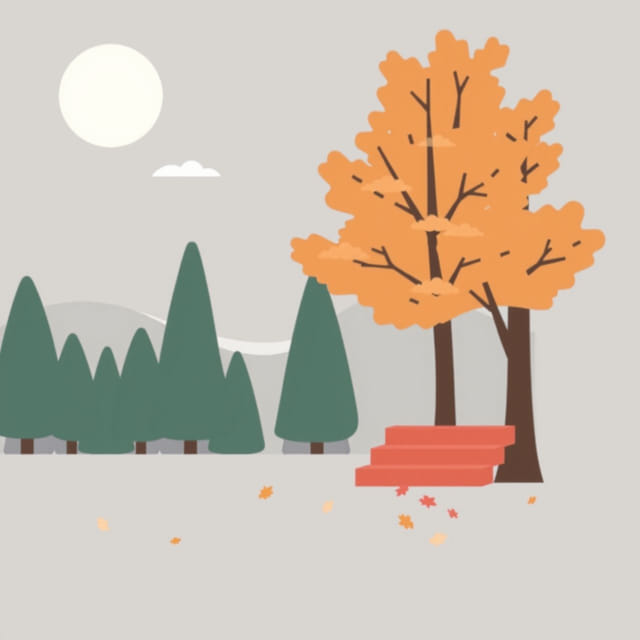
As the warm days of summer gradually give way to the crisp, golden ambiance of autumn, a remarkable transformation takes place across landscapes, cultures, and emotions. Fall, or autumn, is more than just a season of transition it represents an entire cycle of life that touches nature, human behavior, literature, and even food. The entirety of fall encapsulates not only the visible changes in trees and skies but also the invisible shifts in mood, tradition, and rhythm of life. This topic explores the deep and varied meanings of fall, offering insight into why this season holds such profound significance around the world.
The Natural Beauty of Fall
Changing Colors and Falling Leaves
One of the most iconic features of fall is the brilliant transformation of foliage. Trees that once boasted vibrant green leaves begin to turn shades of red, orange, gold, and brown. This visual spectacle is not just beautiful it’s part of a natural process where trees prepare for the harsh winter by conserving energy and shedding their leaves. The falling leaves carpet the ground, creating an environment rich with symbolism and aesthetic beauty.
The Shortening of Days
During fall, the days become noticeably shorter. The sun sets earlier, and the air grows cooler. These subtle changes signal a shift in the Earth’s position relative to the sun and impact everything from agriculture to human sleep cycles. The longer nights and cooler weather often evoke a reflective or melancholic mood in people, making fall a popular season for contemplation and poetry.
Fall and Human Emotion
A Season of Nostalgia
For many people, fall brings feelings of nostalgia. The smell of dry leaves, the sight of smoke curling from chimneys, and the sound of wind rustling through trees often remind people of past experiences, childhood, or times gone by. This emotional pull makes fall a deeply sentimental season for many, often associated with reflection and gratitude.
The Comfort of Routine
With the return of school and work routines after the summer holidays, fall brings back a sense of order and stability. Many find comfort in these rhythms, enjoying the structure of daily life that autumn tends to reinforce. It’s a season when people start to spend more time indoors, reconnect with family traditions, and prepare for upcoming holidays.
Cultural Significance of Fall
Festivals and Celebrations
Fall is packed with festivals across the world that celebrate harvest, gratitude, and change. These include
- Thanksgiving (USA and Canada)A day to give thanks for the harvest and blessings of the past year.
- Mid-Autumn Festival (China and Vietnam)A celebration of the moon, family, and seasonal abundance.
- Diwali (India)The festival of lights, symbolizing the victory of light over darkness.
- HalloweenA mix of fun and superstition, rooted in ancient harvest festivals and beliefs about the spirit world.
Each of these events underscores the importance of fall as a time for community, reflection, and transition.
Fall in Literature and Art
Fall has inspired countless writers, poets, and artists. In literature, fall is often used as a metaphor for maturity, change, or the decline that precedes renewal. It symbolizes the later stages of life when wisdom, experience, and reflection come to the forefront. Painters have also found beauty in the hues and textures of fall, capturing scenes filled with golden forests and twilight skies.
Seasonal Foods and Harvests
The Bounty of Autumn
Fall is a season of harvest, where crops like pumpkins, apples, squash, and root vegetables are gathered. Farmers markets are full of fresh produce, and kitchens fill with the scents of cinnamon, nutmeg, and baked goods. This culinary richness plays a major role in why people associate fall with warmth, comfort, and home.
Traditional Autumn Dishes
Some seasonal favorites enjoyed around the world during fall include
- Pumpkin pie and apple cider in North America
- Roasted chestnuts and mushroom dishes in Europe
- Sweet mooncakes during the Mid-Autumn Festival in East Asia
- Warm lentil soups and vegetable curries in South Asia
These dishes not only highlight seasonal ingredients but also connect people to cultural and family traditions.
Symbolism and Metaphors of Fall
Fall as a Metaphor for Life
In many philosophical and religious traditions, fall symbolizes the later stages of life, the beauty of letting go, and the cycle of death leading to rebirth. Just as trees shed their leaves to survive winter and prepare for spring, humans can learn to release what no longer serves them. This symbolism makes fall a powerful time for personal growth and introspection.
The Theme of Transition
Fall represents a bridge between the energetic expansion of summer and the stillness of winter. This transitional energy encourages people to pause, reflect, and reset. It’s a time when nature itself teaches the importance of change, adaptability, and preparation.
Activities and Traditions of Fall
Popular Outdoor Activities
Despite the dropping temperatures, fall remains an ideal season for outdoor fun. Some popular activities include
- Hiking through forests with vibrant autumn foliage
- Picking apples at local orchards
- Visiting pumpkin patches and corn mazes
- Bonfires and outdoor storytelling
These activities not only celebrate the beauty of the season but also strengthen social bonds and community spirit.
Indoor Comfort and Hobbies
As the season progresses, indoor activities become more appealing. People often turn to hobbies such as reading, baking, crafting, and decorating their homes. Fall also marks the return of warm blankets, cozy socks, and hot beverages, creating an atmosphere of comfort and peace.
Environmental Importance of Fall
Preparing for Winter
In the natural world, fall is a critical time for preparation. Animals store food and grow thicker coats. Plants drop seeds and retreat into dormancy. The environment shifts gears in anticipation of winter’s challenges. Observing these changes reminds us of the importance of planning ahead and embracing natural cycles.
Supporting Ecosystems
Fallen leaves enrich the soil with nutrients, supporting healthy ecosystems. Migratory birds rely on the cooling temperatures and shifting winds to guide their journeys. The rhythm of fall is essential for maintaining ecological balance and biodiversity.
Embracing the Entirety of Fall
The entirety of fall is far more than a season of cooler weather and colorful trees. It is a rich and layered experience that engages our senses, emotions, and reflections. From the changing skies to the seasonal foods, from ancient traditions to quiet moments of solitude, fall offers a chance to reconnect with nature, others, and ourselves. It invites us to appreciate the beauty of impermanence and to find meaning in change. As the leaves fall and the world slows down, we are reminded to do the same if only for a moment.