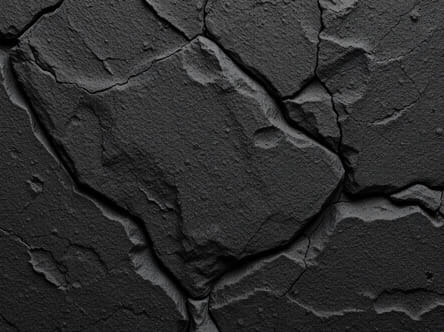
Vesicular basalt is a unique type of volcanic rock that features numerous small cavities, or vesicles, formed by gas bubbles trapped during the solidification of lava. These vesicles give the rock a porous appearance and lightweight quality. When exploring whether vesicular basalt is intrusive or extrusive, it is essential to understand the processes behind its formation. This question is significant in geology because the origin of a rock reveals information about volcanic activity, cooling rates, and the environmental conditions under which the rock formed. Understanding whether vesicular basalt is intrusive or extrusive helps in identifying its place within the rock cycle and its relevance in both academic and practical applications.
Definition and Characteristics of Vesicular Basalt
What Is Vesicular Basalt?
Vesicular basalt is a type of basalt that contains numerous small cavities or holes known as vesicles. These vesicles are formed by the expansion of gas bubbles within the lava as it cools and solidifies. The presence of vesicles distinguishes vesicular basalt from regular basalt, which typically has a denser, fine-grained texture without cavities.
Key Features of Vesicular Basalt
- ColorUsually dark gray to black
- TextureFine-grained with visible holes or vesicles
- CompositionRich in iron and magnesium; low in silica
- DensityLower than dense basalt due to trapped gas bubbles
Extrusive vs. Intrusive Rocks
What Are Extrusive Rocks?
Extrusive igneous rocks form when magma erupts onto the Earth’s surface and cools rapidly. Because of the quick cooling, crystals do not have time to grow large, resulting in a fine-grained or glassy texture. Common examples of extrusive rocks include basalt, andesite, pumice, and obsidian.
What Are Intrusive Rocks?
Intrusive igneous rocks form when magma cools slowly beneath the Earth’s surface. The slow cooling process allows large crystals to develop. These rocks are usually coarse-grained and include granite, diorite, and gabbro as examples.
Is Vesicular Basalt Intrusive or Extrusive?
Classification as Extrusive Rock
Vesicular basalt is an extrusive igneous rock. This classification is based on how and where it forms. The rock is created during volcanic eruptions when basaltic lava reaches the surface and cools rapidly. The gases dissolved in the lava expand and escape, leaving behind empty cavities as the rock solidifies. These gas bubbles cannot form in rocks that cool slowly underground, which is characteristic of intrusive rocks.
Why Vesicles Indicate Extrusive Origin
Vesicles are the result of gas escaping during the rapid cooling of lava at or near the Earth’s surface. In contrast, intrusive environments do not allow for such rapid gas escape because the pressure underground is too high to permit gas bubbles to expand and remain intact. Therefore, the presence of vesicles is a clear sign that the rock formed extrusively.
Formation Process of Vesicular Basalt
Lava Eruption and Gas Expansion
When basaltic magma erupts from a volcano, it is often rich in dissolved gases. As the pressure decreases near the surface, these gases expand and form bubbles. As the lava cools quickly, the bubbles get trapped within the solidifying rock, forming vesicles.
Cooling and Solidification
Rapid cooling on the Earth’s surface prevents the complete escape of gases. This is why vesicular basalt often forms around lava flows, volcanic vents, and sometimes within lava fountains or spatter cones. The outer surface of a lava flow is typically more vesicular than the interior due to greater exposure to the atmosphere and faster cooling rates.
Examples and Locations
Common Occurrences
Vesicular basalt is frequently found in volcanic regions where basaltic lava flows are common. Examples include
- Hawaiian Islands
- Iceland
- Pacific Northwest (USA)
- East African Rift Valley
Field Identification
Geologists can identify vesicular basalt in the field by its dark color and the presence of small cavities. The rock is often found near the surface or in layers from previous lava flows, sometimes transitioning into denser basalt layers below.
Vesicular Basalt vs. Other Basalt Types
Dense Basalt
Dense or massive basalt lacks vesicles and forms under conditions where gas escapes more easily, or lava has a higher viscosity that traps less gas. It typically has a more solid, fine-grained appearance and is used in construction and road-building.
Amygdaloidal Basalt
Sometimes, vesicles in vesicular basalt later fill with secondary minerals like quartz, calcite, or zeolite. This type of rock is known as amygdaloidal basalt. It forms when groundwater carries minerals into the vesicles, crystallizing over time.
Scoria and Pumice
Although vesicular basalt contains vesicles, it is denser and darker than scoria or pumice, which are volcanic rocks with much higher vesicle content. Scoria forms from basaltic magma like vesicular basalt, but has more gas bubbles and less structural strength. Pumice, typically lighter in color, is formed from felsic lava and can float on water due to its extremely high porosity.
Uses and Applications
Construction and Landscaping
Vesicular basalt is often used in landscaping for decorative rocks and retaining walls. Its unique texture and appearance make it popular for garden and architectural designs.
Lightweight Aggregate
The vesicular structure makes it suitable for lightweight aggregate in construction materials, especially where reduced weight is beneficial without compromising strength.
Scientific and Educational Uses
In geology education, vesicular basalt serves as a practical example of extrusive igneous rock and volcanic activity. Its visible vesicles help students understand gas behavior in molten rock and cooling environments.
Summary of Key Points
- Vesicular basalt is an extrusive igneous rock formed from rapidly cooled lava.
- Its vesicles are created by trapped gas bubbles during solidification.
- The rock forms at or near the Earth’s surface during volcanic eruptions.
- It differs from intrusive rocks, which cool slowly underground and lack vesicles.
- Commonly found in volcanic regions and used in landscaping, construction, and education.
Vesicular basalt is a clear example of an extrusive igneous rock, formed through the eruption and rapid cooling of basaltic lava. Its defining feature gas vesicles can only form under surface conditions where pressure is low enough for gas expansion and rapid cooling traps the bubbles in place. This distinguishes it from intrusive rocks, which cool slowly and lack vesicular textures. Understanding the classification and formation of vesicular basalt provides insight into volcanic processes and the dynamic nature of Earth’s surface. Whether used for practical applications or geological education, vesicular basalt remains an important and fascinating component of Earth’s crust.