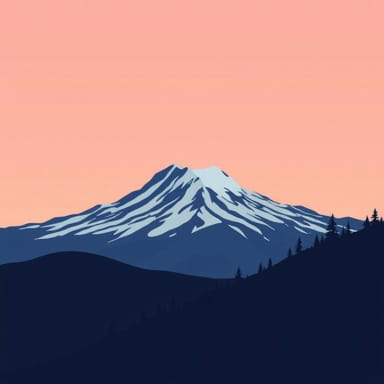
Mount McKinley, known officially as Denali, is one of the most iconic mountains in North America and holds a special place in the hearts of climbers, adventurers, and nature lovers. Located in the vast wilderness of Alaska, it stands as the highest peak in the United States and North America, drawing attention from around the world for its towering height, stunning landscapes, and challenging climbs. Understanding exactly where Mount McKinley is located and what makes it unique helps paint a vivid picture of this remarkable natural landmark.
Geographic Location of Mount McKinley
Where is Mount McKinley?
Mount McKinley is situated in the south-central region of Alaska, within Denali National Park and Preserve. The mountain is part of the Alaska Range, a major mountain range that stretches across the state. It lies approximately 130 miles (210 kilometers) north-northwest of Anchorage and about 155 miles (250 kilometers) southwest of Fairbanks, the two largest cities in Alaska.
Coordinates and Elevation
The precise geographic coordinates of Mount McKinley are approximately 63.0695° N latitude and 151.0074° W longitude. The mountain’s summit reaches an elevation of 20,310 feet (6,190 meters) above sea level, making it the tallest peak in North America. This remarkable height surpasses other well-known mountains like Mount Whitney in California and Mount Logan in Canada.
Denali National Park and Surroundings
About Denali National Park
Mount McKinley is located within Denali National Park and Preserve, a vast protected area spanning over six million acres. The park is known for its breathtaking scenery, diverse wildlife, and opportunities for outdoor adventure. Visitors to the park can experience tundra landscapes, glaciers, boreal forests, and, of course, the awe-inspiring sight of Denali’s towering summit.
Nearby Landmarks and Features
The Alaska Range, where Mount McKinley is found, includes many other notable peaks and glaciers. The park features the Ruth Glacier, the Kahiltna Glacier, and the Tokositna Glacier, which are popular among climbers and researchers. The region’s rugged terrain and unpredictable weather make it one of the most challenging environments for mountaineering.
Historical Context and Naming
From Mount McKinley to Denali
While the mountain was commonly known as Mount McKinley for much of the 20th century, the original native name for the mountain is Denali, meaning The High One or The Great One in the Koyukon Athabaskan language. The name Denali reflects the mountain’s cultural significance to indigenous Alaskan peoples who have revered it for centuries.
Official Name Change
The United States government officially recognized Denali as the mountain’s name in 2015, replacing the name Mount McKinley, which had been assigned in 1896 in honor of President William McKinley. This change was widely supported by Alaskans and native communities and reflects a broader recognition of indigenous heritage.
Climbing and Outdoor Activities
Mountaineering Challenges
Denali is one of the most challenging mountains to climb in the world due to its extreme elevation, harsh weather conditions, and remote location. Climbers face risks including altitude sickness, avalanches, crevasse falls, and severe cold temperatures. The standard climbing routes require significant preparation, technical skills, and acclimatization.
Recreational Opportunities
Besides mountaineering, Denali National Park offers hiking, wildlife viewing, photography, and camping. The park is home to animals such as grizzly bears, wolves, moose, caribou, and Dall sheep, making it a prime location for observing Alaskan wildlife in their natural habitats.
Climate and Weather Conditions
Harsh Environment
The climate around Mount McKinley is characterized by cold temperatures, strong winds, and sudden weather changes. Even in summer, climbers and visitors can encounter snowstorms, freezing temperatures, and limited visibility. Winter conditions are even more severe, with subzero temperatures and continuous darkness for months.
Seasonal Accessibility
The most popular time for climbing and visiting Denali is between May and July when weather conditions are relatively more stable. However, even during these months, expeditions must be well-prepared for the mountain’s unpredictable nature and the challenges it presents.
Flora and Fauna of the Region
Plant Life
The area surrounding Denali transitions from boreal forests to alpine tundra as elevation increases. Common plants include spruce and fir trees at lower altitudes, while higher elevations feature hardy shrubs, mosses, and lichens adapted to cold, windy conditions.
Wildlife Diversity
Denali’s ecosystem supports a variety of mammals and birds. Visitors can often spot grizzly bears fishing for salmon, wolves roaming in packs, and herds of caribou migrating through the park. Birdwatchers can find species such as golden eagles, ptarmigans, and ravens throughout the year.
Access and Travel Tips
Getting to Denali
Most visitors travel to Denali National Park via Anchorage or Fairbanks. From these cities, shuttle buses, rental cars, and tour operators provide transportation to the park’s entrance. The park road extends 92 miles into the wilderness, offering spectacular views but limited vehicle access beyond certain points.
Visitor Facilities
The park features visitor centers, campgrounds, and ranger stations that provide information, permits, and safety guidelines. Due to the remote nature of the area, it is recommended that visitors prepare thoroughly and plan accommodations well in advance, especially during peak season.
Denali’s Cultural and Environmental Significance
Indigenous Heritage
Denali has been a sacred place for Alaska’s native peoples for thousands of years. Its towering presence and majestic stature are deeply woven into the traditions, stories, and spiritual beliefs of the Koyukon Athabaskan and other indigenous groups.
Conservation Efforts
Denali National Park is a symbol of wilderness preservation. The National Park Service actively manages the area to protect its ecosystems, wildlife, and natural beauty. Efforts include scientific research, sustainable tourism practices, and educational programs aimed at fostering respect for the environment.
Mount McKinley, or Denali, stands as a monumental symbol of nature’s grandeur and resilience. Located in Alaska’s remote wilderness within Denali National Park, it represents the highest point in North America and embodies challenges and beauty for adventurers and nature enthusiasts alike. From its cultural roots and name significance to its rugged terrain and climate, Denali remains a destination that captivates and inspires all who seek to experience its towering heights and the wild spirit of Alaska.