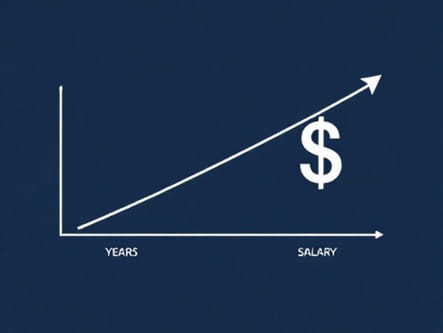
The relationship between years of education and annual salary has been a subject of research and debate for decades. Many studies suggest that individuals with more education tend to earn higher salaries over their lifetime compared to those with fewer years of schooling. However, this correlation is influenced by various factors such as field of study, work experience, geographic location, and even the economy at large. Understanding this connection helps students, parents, and professionals make informed decisions about investing in education for better financial outcomes.
Understanding the Correlation Between Education and Income
When we examine the correlation between education and annual salary, one of the most consistent findings is that additional years of education often lead to higher earnings. This relationship is partly due to the fact that higher education typically equips individuals with specialized skills, certifications, and knowledge that employers value. For example, professionals with a bachelor’s or master’s degree generally have access to positions that require advanced expertise and offer better compensation compared to jobs available to high school graduates.
Why Education Impacts Salary
The primary reason education affects salary is linked to skill acquisition and job qualifications. Higher-level positions often require technical, analytical, and problem-solving abilities that come from extended schooling. Furthermore, degrees from recognized institutions often serve as credentials, signaling to employers that a candidate has met certain academic and professional standards.
- More years in school often means more specialized knowledge.
- Advanced degrees open doors to professional careers with higher pay.
- Employers often use education as a benchmark for hiring and promotion decisions.
Average Salary by Education Level
Although actual salaries can vary based on many factors, research shows a clear trend income generally rises with each additional level of education. Here’s an approximate breakdown
- High School DiplomaEntry-level jobs in retail, construction, or clerical work with limited salary growth.
- Associate DegreeHigher earning potential in technical fields such as healthcare support or IT services.
- Bachelor’s DegreeAccess to a wide range of careers in business, engineering, and education with competitive salaries.
- Master’s DegreeEnhanced qualifications for managerial roles and specialized professions.
- Doctoral or Professional DegreeTop-tier salaries in law, medicine, and academic research.
Impact of Field of Study on Salary
It is important to note that not all degrees yield the same return on investment. For example, a bachelor’s degree in engineering or computer science generally leads to higher salaries compared to a degree in arts or humanities. Similarly, advanced degrees in medicine or law can significantly boost annual earnings, while certain other fields may not provide the same financial benefit despite additional years of education.
Examples of High-Paying Fields
- Engineering and Technology
- Healthcare Professions (Doctors, Pharmacists)
- Law and Legal Services
- Finance and Business Management
Does More Education Always Mean Higher Salary?
While the general trend shows that more education correlates with higher income, there are exceptions. For example, individuals who start working earlier can accumulate significant work experience, which in some cases compensates for fewer years of education. Likewise, certain trade professions such as electricians or plumbers can offer strong earning potential without a college degree. Additionally, entrepreneurship provides another path where formal education is not always the primary determinant of success.
Geographic and Economic Factors
The correlation between education and income also depends on location. In countries or regions with strong economies and high demand for skilled workers, the return on education tends to be higher. Conversely, in areas with limited job opportunities, even advanced degrees may not guarantee high salaries. Global trends also indicate that urban centers often offer higher wages compared to rural areas, reflecting differences in cost of living and job availability.
Experience vs. Education
Work experience is another key factor that influences annual salary. Employers often weigh practical experience heavily alongside educational qualifications. While degrees may open doors, sustained career growth usually depends on a combination of academic credentials, relevant experience, and professional skills. In some cases, individuals with less education but extensive experience can earn more than those with advanced degrees but limited work history.
Statistical Correlation Between Education and Income
Data from labor studies and economic reports consistently show a positive correlation between years of education and income levels. For instance, individuals with a bachelor’s degree typically earn significantly more over their lifetime than those with only a high school diploma. The wage gap tends to widen further for those with graduate or professional degrees, illustrating the economic value of higher education.
Long-Term Benefits of Education Beyond Salary
While financial rewards are an important motivator, higher education also offers other advantages. These include better job security, access to benefits such as healthcare and retirement plans, and greater career flexibility. Individuals with advanced degrees often experience lower unemployment rates, which provides long-term stability in addition to higher earnings.
Challenges in Measuring the Correlation
Although numerous studies confirm the link between education and salary, measuring this correlation accurately is complex. Factors such as inflation, changing job markets, and individual career choices can all influence the relationship. Additionally, the rising cost of education introduces the question of whether the financial return justifies the investment in every case.
The correlation between years of education and annual salary remains strong across most industries and regions, although it is not absolute. While more schooling often leads to better financial outcomes, other factors such as career choice, experience, and geographic location play important roles. For students and professionals considering further education, understanding this relationship can help them make informed decisions about the long-term value of academic investment. Ultimately, education is not just a pathway to higher income but also a key to personal development and career resilience in a competitive job market.