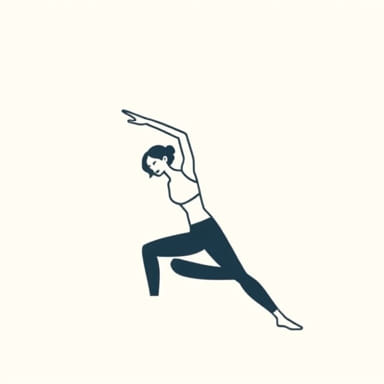
Plantar fasciitis is a common condition that causes pain and inflammation in the heel and bottom of the foot, often making daily activities challenging. While yoga can be a beneficial practice for flexibility, strength, and stress relief, certain yoga poses can aggravate plantar fasciitis if performed incorrectly or without proper modifications. Understanding which yoga poses to avoid can help individuals manage pain, prevent further injury, and still enjoy the many benefits of yoga. Being mindful of foot alignment, pressure distribution, and stretching techniques is crucial for anyone dealing with this condition.
What is Plantar Fasciitis?
Plantar fasciitis occurs when the plantar fascia, a thick band of tissue running along the bottom of the foot from the heel to the toes, becomes inflamed. Common symptoms include sharp heel pain, especially in the morning or after prolonged periods of standing, swelling, and stiffness. The condition can result from overuse, high-impact activities, poor footwear, or biomechanical issues such as flat feet or high arches.
Impact on Yoga Practice
Yoga involves a variety of poses that require weight-bearing on the feet, deep stretching, and balance. For individuals with plantar fasciitis, poses that put excessive pressure on the heels, overstretch the plantar fascia, or involve sudden impact can worsen symptoms. Modifying the practice and avoiding certain poses can reduce discomfort and promote healing.
Yoga Poses to Avoid with Plantar Fasciitis
While yoga generally promotes foot and ankle health, some poses may be risky for people suffering from plantar fasciitis. It is important to recognize which movements could strain the plantar fascia and exacerbate pain.
Standing Poses with High Heel Pressure
Poses that place the entire body weight on the heels or involve deep dorsiflexion can aggravate plantar fasciitis
- Mountain Pose (Tadasana) with exaggerated heel liftStanding with heels pressed down excessively can increase strain on the plantar fascia.
- Chair Pose (Utkatasana)While strengthening for the legs, this pose places high pressure on the heels if done without proper foot support.
- Warrior Poses (Virabhadrasana I, II, III)Deep lunges and weight shifts may stretch the plantar fascia excessively, particularly if the back heel is forced to stay grounded.
Forward Bends and Intense Stretching Poses
Forward bending poses can stretch the plantar fascia in ways that may worsen pain
- Seated Forward Bend (Paschimottanasana)Pulling the toes toward the body intensely can put strain on the heel and arch.
- Standing Forward Bend (Uttanasana)Folding forward while keeping the feet flat may overstretch the plantar fascia.
- Wide-Leg Forward Fold (Prasarita Padottanasana)Similar to standing forward bends, this pose can increase tension in the foot arches.
Balance Poses on Tiptoes or Unstable Surfaces
Poorly supported balance poses can place abnormal pressure on the plantar fascia
- Tree Pose (Vrksasana) with heel liftLifting onto the toes or maintaining the pose on a hard surface may irritate the foot.
- Toe Stand (Padangusthasana variation)Directly standing on the tips of the toes increases plantar fascia tension.
- High Lunge Variations on Balls of FeetBalancing on the forefoot may strain the heel and arch.
High-Impact or Jumping Movements
Yoga styles that include dynamic movements or jumping should be approached with caution
- Sun Salutations with Jump BacksJumping from forward fold to plank can shock the plantar fascia.
- High-Intensity Vinyasa FlowRapid transitions between poses may lead to sudden heel stress.
- Jumping LungesEven low-impact jumps can irritate the heel in plantar fasciitis.
Modifications and Safer Alternatives
While avoiding certain poses is important, yoga can still be practiced safely with modifications that protect the plantar fascia
Supportive Props
- Use a folded towel or yoga mat under the heels for cushioning in standing poses.
- Yoga blocks can support hands in forward bends to reduce pressure on the feet.
- Straps can help extend reach in seated forward bends without pulling the toes excessively.
Gentle Stretching Poses
- Reclined Hand-to-Big-Toe Pose (Supta Padangusthasana) with strap Stretch the hamstrings without overstretching the plantar fascia.
- Legs-Up-the-Wall Pose (Viparita Karani) Reduces foot pressure and promotes circulation.
- Supported Bridge Pose (Setu Bandhasana) with feet on a block Minimizes strain on the heels while strengthening glutes and core.
Foot and Calf Exercises
- Seated foot stretches and towel scrunches to gently stretch and strengthen the arch.
- Calf raises with support for the heels can gradually strengthen the posterior chain without overloading the plantar fascia.
- Rolling the foot over a massage ball or frozen bottle helps relieve tension and promote healing.
Precautions During Yoga Practice
Even with modifications, certain precautions are crucial for practicing yoga safely with plantar fasciitis
- Warm up the feet and calves gently before starting the session.
- Listen to your body and avoid pushing into painful ranges of motion.
- Focus on alignment and weight distribution in every pose.
- Consider low-impact yoga styles like Hatha or Yin, which emphasize slow movements and restorative poses.
- Consult a physiotherapist or yoga therapist for personalized modifications.
Plantar fasciitis does not mean giving up yoga entirely, but it does require careful consideration of which poses to avoid and how to modify your practice. Standing poses with deep heel pressure, intense forward bends, tiptoe balance poses, and high-impact movements are best avoided or modified to prevent further strain on the plantar fascia. Using props, focusing on gentle stretching, and incorporating foot-strengthening exercises can allow individuals to enjoy the benefits of yoga while protecting their feet. With mindful practice, people with plantar fasciitis can maintain flexibility, reduce stress, and support recovery while avoiding poses that aggravate their condition.