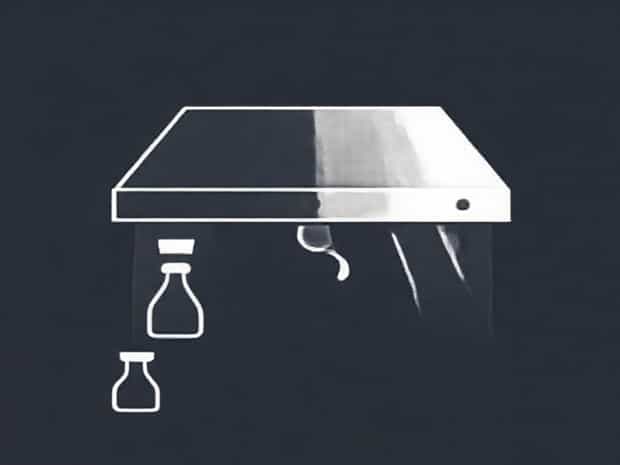
In laboratories around the world, the presence of a chemical fume hood is often the difference between a safe workspace and a potentially hazardous environment. Scientists, students, and technicians rely on this equipment to handle volatile substances, toxic fumes, and dangerous reactions without risking their health. A chemical fume hood acts as both a barrier and a ventilation system, keeping harmful vapors contained while protecting the user. Understanding its function, design, and best practices is essential for anyone working in chemistry, biology, or industrial labs where chemical handling is routine.
What is a Chemical Fume Hood?
A chemical fume hood is a ventilated enclosure designed to limit exposure to hazardous airborne ptopics, vapors, and gases. It functions by drawing contaminated air away from the user and safely expelling it outside the building or filtering it before release. The purpose of a chemical fume hood is not only to protect the laboratory personnel but also to maintain a cleaner work environment and prevent cross-contamination of experiments.
Key Components
Every chemical fume hood contains several important parts that work together to ensure safety and efficiency
- SashThe movable glass window that allows access to the work area while serving as a protective barrier.
- Work surfaceThe interior platform where experiments and chemical handling occur.
- Exhaust systemDucts, blowers, or filters that remove contaminated air from the hood.
- AirfoilStructures designed to streamline airflow into the hood.
- ControlsIndicators and switches that allow users to monitor airflow and hood status.
How a Chemical Fume Hood Works
The operation of a fume hood is based on airflow. Air is drawn into the hood from the laboratory and passed through ducts or filters to either expel or clean it before release. This movement of air ensures that vapors and ptopics cannot escape back into the lab space.
Types of Ventilation
- Ducted fume hoodsThese are connected to an external exhaust system, carrying fumes outside the building.
- Ductless fume hoodsThese rely on activated carbon or HEPA filters to clean the air before releasing it back into the lab.
Both designs serve different purposes depending on the laboratory’s infrastructure, the chemicals used, and the frequency of operation.
Different Types of Chemical Fume Hoods
Not all fume hoods are the same, and their designs can vary based on specific applications
- Conventional fume hoodsThe most common design, offering a wide work area and general protection.
- Bypass fume hoodsThese include a bypass feature that helps maintain stable airflow even when the sash is closed.
- Variable air volume (VAV) hoodsThese adjust airflow dynamically to save energy while maintaining safety.
- Walk-in fume hoodsLarge enclosures used for handling oversized equipment or large-scale experiments.
- Specialized fume hoodsDesigned for radioactive materials, perchloric acid, or biological hazards, each with unique construction materials and features.
Importance of Using a Chemical Fume Hood
Laboratory environments often involve exposure to substances that are toxic, flammable, or corrosive. The use of a chemical fume hood provides multiple layers of protection
- Prevents inhalation of dangerous fumes and vapors.
- Reduces the risk of fire or explosions by containing reactions.
- Protects laboratory staff from splashes or spills with the sash barrier.
- Maintains cleaner indoor air quality within the laboratory space.
Best Practices for Safe Operation
Even the most advanced fume hood is only effective if used correctly. Following best practices ensures maximum protection for both the user and the experiment
- Keep the sash at the recommended height, usually around 18 inches, to maintain proper airflow.
- Work at least 6 inches inside the hood to prevent vapors from escaping.
- Do not overcrowd the hood with unnecessary equipment that blocks airflow.
- Avoid sudden movements near the hood that can disrupt the air curtain.
- Always check airflow monitors before starting work.
- Close the sash when the hood is not in use to maximize safety and energy efficiency.
Maintenance and Regular Inspections
To keep a chemical fume hood reliable, it requires ongoing maintenance and periodic inspections. Certified technicians often perform tests to measure face velocity (the speed of air entering the hood) and to ensure that the ventilation system is functioning correctly. Filters in ductless hoods must be replaced regularly, while ducted systems need monitoring for blockages or leaks.
Annual Certification
Most laboratories follow annual certification standards where experts test and verify that each hood is performing as intended. This includes smoke visualization tests, airflow measurements, and safety checks.
Energy Considerations
Fume hoods are among the largest energy consumers in laboratories because of the constant air exchange. Advanced designs such as VAV hoods have helped reduce energy costs by adjusting ventilation based on sash position and activity. Encouraging users to close the sash when not in use also contributes to energy efficiency without compromising safety.
Training and User Awareness
Proper training is crucial for everyone working with a chemical fume hood. New laboratory members must understand not only how to operate the hood but also the reasons behind specific safety protocols. A culture of safety ensures that hoods are used consistently and correctly, preventing accidents and exposures.
Common Mistakes to Avoid
Despite their importance, fume hoods are often misused. Some common mistakes include
- Storing chemicals permanently inside the hood, which blocks airflow and increases hazards.
- Working with the sash too high, reducing containment efficiency.
- Ignoring airflow alarms or malfunction indicators.
- Using the hood for tasks it was not designed for, such as biological work instead of chemical handling.
Future of Chemical Fume Hood Technology
As laboratories evolve, so does the technology behind chemical fume hoods. New designs are focusing on sustainability, energy efficiency, and smart monitoring. Some modern hoods now include sensors that adjust airflow in real time, digital displays for user feedback, and integration with building management systems to optimize ventilation.
A chemical fume hood is more than just a piece of laboratory equipment it is a lifeline for anyone handling hazardous substances. By ensuring that toxic fumes and dangerous reactions remain contained, it creates a safe environment for scientific discovery and innovation. From its design and components to best practices and future advancements, understanding how a chemical fume hood works is essential for every laboratory professional. With proper use, maintenance, and awareness, this piece of equipment continues to play a critical role in both safety and scientific progress.