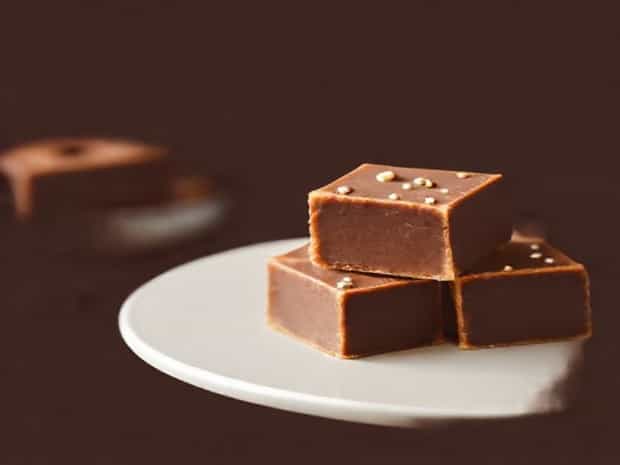
Homemade fudge is a rich, creamy, and indulgent treat that has been cherished for generations. Unlike store-bought varieties, making fudge at home allows you to control the ingredients, sweetness, and flavor combinations, resulting in a personalized and decadent confection. The process of making fudge is both satisfying and rewarding, as the aroma of chocolate or caramel fills the kitchen and the final product delights family and friends. Whether enjoyed during holidays, given as gifts, or simply savored as a sweet treat, homemade fudge is a versatile dessert that offers both comfort and elegance.
Ingredients for Homemade Fudge
The key to a perfect homemade fudge lies in using quality ingredients and precise measurements. Basic fudge recipes typically include sugar, butter, milk or cream, and chocolate, while variations can incorporate flavorings, nuts, or extracts to create unique tastes. Choosing high-quality chocolate and fresh cream ensures a smooth, creamy texture that melts in the mouth. Additionally, optional ingredients such as vanilla extract, sea salt, or toasted nuts can enhance the flavor profile and add depth to the final product.
Essential Ingredients
- 2 cups granulated sugar
- 1/2 cup unsalted butter
- 1/2 cup milk or heavy cream
- 1 cup chocolate chips or chopped chocolate
- 1 teaspoon vanilla extract
- Optional 1/2 cup chopped nuts (walnuts, pecans, or almonds)
- Optional Pinch of sea salt to enhance flavor
Preparing Homemade Fudge
Making homemade fudge involves careful attention to temperature and timing, which ensures a smooth, creamy texture without crystallization. Begin by combining sugar, butter, and milk in a saucepan, then heating the mixture over medium heat until it reaches the soft-ball stage, typically around 234°F to 240°F (112°C to 115°C). Stirring constantly prevents the sugar from burning and ensures even heating. Once the mixture reaches the correct temperature, it is removed from heat and chocolate, vanilla, and any additional ingredients are folded in. The mixture is then poured into a prepared pan, allowed to cool slightly, and cut into squares once firm.
Step-by-Step Instructions
- Grease or line an 8×8-inch baking pan with parchment paper for easy removal.
- In a medium saucepan, combine sugar, butter, and milk over medium heat.
- Stir constantly until the mixture reaches a gentle boil and the sugar dissolves completely.
- Continue cooking, stirring occasionally, until the mixture reaches 234°F to 240°F (soft-ball stage).
- Remove from heat and add chocolate, vanilla extract, and optional nuts or salt.
- Stir until the chocolate melts completely and the mixture is smooth and glossy.
- Pour the fudge into the prepared pan, spreading evenly with a spatula.
- Allow to cool at room temperature, then refrigerate for 2-3 hours until firm.
- Cut into squares or rectangles and store in an airtight container.
Tips for Perfect Fudge
Creating the perfect homemade fudge requires a few simple techniques to ensure smooth texture and ideal consistency. Using a candy thermometer helps maintain the precise temperature needed to avoid grainy or overly soft fudge. Stirring constantly during cooking prevents burning and ensures the sugar dissolves completely. Allowing the mixture to cool slightly before cutting prevents crumbling. Additionally, experimenting with flavors such as peanut butter, caramel, or mint extract can make the fudge unique and enjoyable. Following these tips guarantees a fudge that is creamy, rich, and decadent.
Additional Tips
- Use high-quality chocolate for a richer flavor and smoother texture.
- Do not rush the cooking process; slow, even heating is key to creamy fudge.
- Stir constantly while heating to prevent sugar crystallization.
- Cool slightly before cutting to achieve clean, even pieces.
- Experiment with flavorings like almond extract, orange zest, or coffee for variety.
Variations of Homemade Fudge
Homemade fudge is highly adaptable, allowing you to create a variety of flavors and textures. Classic chocolate fudge is always a favorite, but peanut butter fudge, white chocolate fudge, and caramel fudge are also popular choices. Nuts, dried fruits, or even swirls of caramel or marshmallow can be added for additional texture and taste. Seasonal ingredients like pumpkin spice or peppermint can turn a simple fudge recipe into a festive treat. These variations provide endless possibilities, making homemade fudge a versatile and exciting dessert option.
Popular Fudge Variations
- Peanut butter fudge Combines peanut butter with chocolate for a creamy, nutty flavor.
- White chocolate fudge Uses white chocolate and condensed milk for a sweet, smooth treat.
- Caramel fudge Swirls caramel through chocolate for a rich, layered taste.
- Nut and fruit fudge Adds chopped nuts or dried fruits for texture and flavor variety.
- Seasonal flavors Peppermint, pumpkin spice, or cinnamon enhance the fudge for holidays.
Serving and Storing Homemade Fudge
Homemade fudge is best enjoyed at room temperature, where it remains soft and creamy. It can be served on a decorative platter, cut into small squares for bite-sized indulgence, or packaged as gifts for friends and family. Fudge stores well in an airtight container in the refrigerator for up to two weeks or can be frozen for longer storage. For gifting, wrap pieces in wax paper or place them in a decorative box to preserve freshness and presentation. Proper storage ensures that the fudge maintains its delicious flavor and creamy texture for days.
Serving and Storage Tips
- Cut fudge into small squares for easy serving and portion control.
- Serve at room temperature for the best texture and flavor.
- Store in an airtight container in the refrigerator for up to two weeks.
- Freeze fudge in layers separated by parchment paper for long-term storage.
- Package fudge as gifts using wax paper or decorative boxes for presentation.
Homemade fudge is a timeless and versatile treat that combines rich flavor, creamy texture, and endless variations. With simple ingredients and careful attention to preparation, anyone can create a batch of fudge that is both indulgent and impressive. From classic chocolate to seasonal flavors, homemade fudge offers a sweet experience that can be enjoyed for holidays, special occasions, or simple everyday indulgence. By following the recipe and incorporating tips for perfect texture, homemade fudge becomes a memorable and delightful confection that satisfies any sweet tooth.