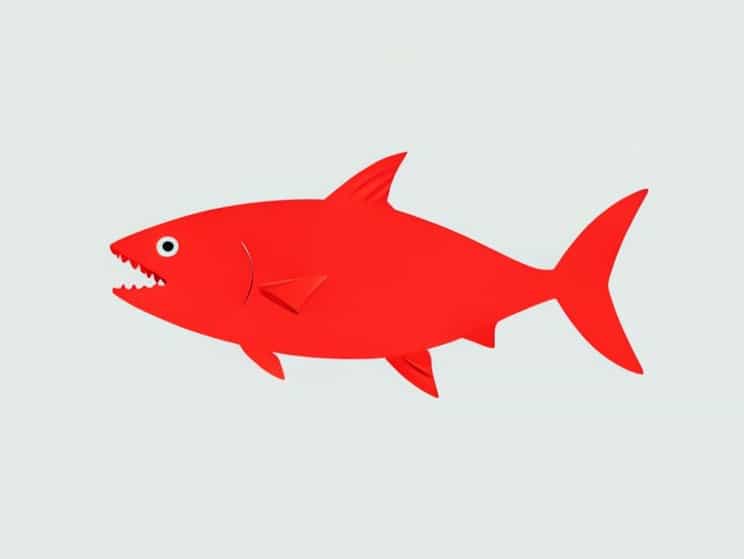
The red belly piranha is one of the most fascinating freshwater fish in the world, often surrounded by myths and exaggerated tales of ferocity. Known for its sharp teeth, powerful jaws, and distinctive coloring, this species has long captured human imagination. While movies and folklore often portray the red belly piranha as a ruthless predator, the truth about its behavior, habitat, and role in the ecosystem is more complex. Learning about this unique fish helps us appreciate its ecological importance and dispels the misconceptions that have followed it for generations.
Physical Characteristics of the Red Belly Piranha
The red belly piranha, scientifically namedPygocentrus nattereri, is easily recognized by its striking appearance. The most noticeable feature is the reddish-orange hue on its belly, which contrasts with its silver-gray body. This coloring becomes even more vibrant during the breeding season, making the fish an impressive sight in its natural environment.
Size and Shape
Red belly piranhas typically grow to about 12 inches in length, although some individuals can reach up to 16 inches in the wild. They have deep, laterally compressed bodies that give them a powerful look, well-suited for fast movements in water. Their muscular frame supports their quick bursts of energy when hunting or defending themselves.
Teeth and Jaws
One of the most iconic features of the red belly piranha is its razor-sharp teeth. These triangular teeth interlock perfectly, allowing the fish to tear through flesh and plant material with ease. The strength of their jaws is another reason for their reputation, though in reality, they use their powerful bite mainly for survival rather than mindless aggression.
Habitat and Distribution
The red belly piranha is native to South America and is commonly found in rivers such as the Amazon, Paraguay, and Orinoco basins. They inhabit freshwater environments, including rivers, lakes, floodplains, and streams. These fish thrive in warm waters with abundant vegetation, which provides cover from predators and opportunities for ambush.
Preferred Conditions
- Water temperature ranging from 75 to 82°F
- Moderate to slow-moving waters with plenty of hiding spots
- Environments rich in plant matter and smaller aquatic animals
The adaptability of red belly piranhas allows them to survive in diverse conditions, but they are most abundant in areas with warm climates and seasonal flooding, which brings new feeding opportunities.
Diet and Feeding Behavior
Despite their fierce reputation, red belly piranhas are not relentless killers. They are omnivorous, meaning they eat a wide variety of foods. Their diet includes fish, insects, crustaceans, and even plant material. They play a crucial role in their ecosystem by cleaning up dead or weakened animals, preventing the spread of disease in aquatic environments.
Feeding Habits
While they are capable of aggressive feeding frenzies, such events are rare and usually triggered by extreme hunger or environmental stress. Most of the time, red belly piranhas feed calmly and selectively, picking at their food rather than attacking in groups as movies suggest.
Role in the Food Chain
Red belly piranhas serve as both predator and prey. They keep fish populations balanced by feeding on the weak and sick, while also being hunted by larger predators like caimans, river dolphins, and birds. This balance maintains the health of freshwater ecosystems.
Social Behavior and Group Dynamics
Unlike solitary predators, red belly piranhas are social animals. They often travel in schools, which provides safety from larger predators and increases their chances of finding food. This schooling behavior is not necessarily for coordinated hunting, but rather for protection through numbers.
Group Advantages
- Safety from predators by blending into large groups
- Shared vigilance when scanning for danger
- Better opportunities for reproduction within schools
By staying in groups, red belly piranhas improve their survival rates in the wild, showing that cooperation plays a larger role in their lives than raw aggression.
Breeding and Reproduction
The breeding season of the red belly piranha is another fascinating aspect of its life cycle. During this time, the vibrant red coloration on their bellies becomes more intense. Males prepare nesting areas in shallow waters, where females deposit their eggs. The males then guard the nests fiercely to protect the eggs from predators.
Reproductive Facts
- Females can lay thousands of eggs in one season
- Eggs hatch in about two to three days
- Parental care, particularly by males, increases survival rates
This protective behavior contrasts with the popular image of piranhas as ruthless creatures, showing their capacity for care and defense of offspring.
Red Belly Piranhas in Popular Culture
Much of the fear surrounding red belly piranhas comes from movies and exaggerated stories. Films often depict them as swarming predators capable of devouring large animals or even humans within minutes. While these portrayals make for thrilling cinema, they are far from accurate representations of real-life behavior.
Common Misconceptions
- Piranhas do not actively hunt humans; attacks are extremely rare.
- They are not constantly in a feeding frenzy.
- They play an important role in maintaining ecological balance.
Understanding the truth about red belly piranhas helps dispel these myths and promotes respect for their role in the natural world.
Keeping Red Belly Piranhas in Aquariums
Some enthusiasts choose to keep red belly piranhas in home aquariums. While this is possible, it requires careful planning, as these fish need specific conditions to thrive.
Care Requirements
- Large tanks with plenty of swimming space
- Proper filtration to maintain clean water
- A diet that mimics their natural variety of foods
- Careful management to prevent stress and aggression
Owning red belly piranhas is best suited for experienced aquarists who understand their needs and can provide the right environment.
Conservation and Environmental Importance
Currently, red belly piranhas are not considered endangered. However, like many freshwater species, they face threats from habitat destruction, pollution, and climate change. Protecting the rivers and ecosystems where they live is crucial to ensuring their continued survival.
As an essential part of aquatic ecosystems, red belly piranhas help maintain balance by cleaning up organic material and controlling populations of other species. Their presence is a sign of a healthy and functioning river system.
The red belly piranha is far more than the frightening predator of legend. It is a vital species with unique characteristics that contribute to the health of freshwater ecosystems. From its striking appearance and sharp teeth to its role as both predator and prey, this fish deserves appreciation beyond the myths that surround it. A deeper understanding of the red belly piranha reveals a creature that is both fascinating and essential, reminding us that even the most misunderstood animals have an important place in the natural world.