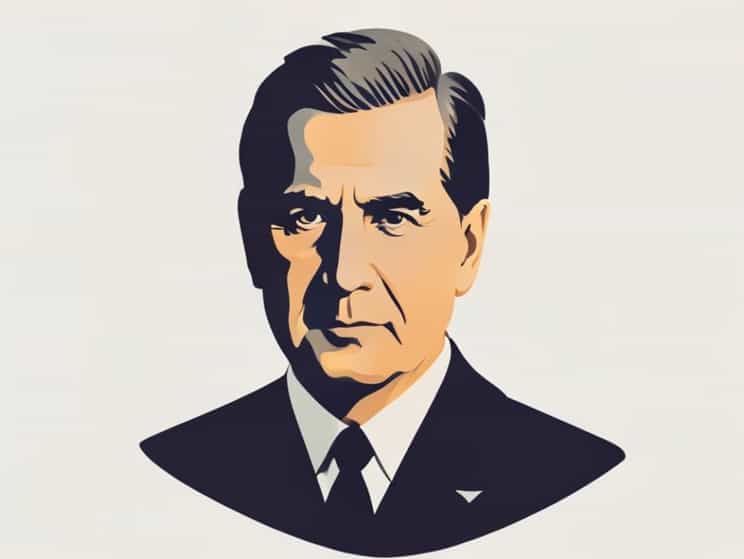
Ronald Reagan, one of the most influential figures in modern American history, served as the 40th President of the United States. His presidency marked a significant period in the 1980s, characterized by political, economic, and social transformations. Understanding the age of Ronald Reagan during his presidency provides context to his approach to leadership, decision-making, and public perception. Reagan’s age, both at the beginning and end of his terms, played a role in shaping public discourse about experience, vitality, and the challenges of holding the highest office in the United States.
Ronald Reagan’s Early Life and Path to the Presidency
Before discussing his age as president, it is important to consider Reagan’s early life and career, which influenced the public perception of his age and experience. Born on February 6, 1911, in Tampico, Illinois, Reagan had a long and diverse career before entering the White House. He worked as a radio announcer, a Hollywood actor, and eventually the Governor of California from 1967 to 1975. By the time he announced his candidacy for president in 1979, Reagan had accumulated decades of experience in both entertainment and politics, which informed his approach to leadership. This background is crucial in understanding the context of his age when he assumed office.
Age at the Beginning of His Presidency
Ronald Reagan officially became president on January 20, 1981. At that point, he was 69 years old, making him the oldest U.S. president to assume office at the time. This was a notable aspect of his election, as voters and political analysts discussed the implications of having a president nearing 70. Despite concerns about his age, Reagan’s charisma, communication skills, and political platform resonated strongly with the American public. His ability to connect with people through his speeches and public appearances often overshadowed debates about whether his age might limit his capacity to govern effectively.
Public Perception of Reagan’s Age
At 69, Reagan’s age was both a point of criticism and admiration. Critics argued that the demands of the presidency might be too strenuous for someone of his age, especially during a time of economic challenges and international tensions. Supporters, however, saw Reagan’s age as a sign of wisdom and experience, suggesting that he brought decades of knowledge to the office. The balance between vitality and experience became a recurring theme throughout his presidency, influencing public debates and media coverage.
Age During His Second Term
Reagan was re-elected in 1984, beginning his second term on January 20, 1985. At this point, he was 73 years old, further cementing his status as the oldest president in American history up to that time. His second term was marked by significant political and economic developments, including the acceleration of the Cold War’s final stages, tax reforms, and continued debates over domestic and foreign policy. Observers often noted that his age did not seem to slow him down; however, there were subtle signs of the physical and cognitive demands of the office beginning to take their toll. These observations fueled ongoing discussions about the importance of age and stamina for political leaders.
Impact of Age on Leadership Style
Ronald Reagan’s age influenced not only public perception but also his leadership style. He was known for delegating responsibilities to trusted advisors and maintaining a calm, steady demeanor during crises. His life experience allowed him to approach complex issues with a long-term perspective, often relying on strategic patience rather than impulsive decision-making. By the time of his second term, his age contributed to an image of a seasoned, steady president, though it also made health concerns a topic of public interest.
Comparison with Other Presidents
Reagan’s age at the time of his presidency is remarkable when compared to other U.S. presidents. While Theodore Roosevelt assumed office at 42, John F. Kennedy was 43, and Bill Clinton was 46, Reagan’s 69 years stood out as the pinnacle of late-life leadership in American politics up to that point. Since Reagan, several presidents have also been older at the time of their election, including Donald Trump at 70 and Joe Biden at 78. Reagan’s presidency, therefore, set a precedent for how voters consider age as a factor in evaluating a candidate’s suitability for office.
Challenges and Achievements Related to Age
Reagan’s age presented both challenges and opportunities. Physically, he faced the typical strains associated with being in his seventies, such as the need for rest during long days of official duties. Politically, opponents sometimes questioned whether an older president could respond quickly to international crises. Despite these challenges, Reagan achieved significant successes, including substantial economic reforms, a strengthened military presence, and a notable role in ending the Cold War. Many historians argue that his age and experience were assets that allowed him to navigate complex political landscapes with confidence and perspective.
Reagan’s Age and Public Engagement
One of the most significant aspects of Reagan’s presidency was his ability to engage with the public effectively. His age, far from being a barrier, contributed to an image of wisdom and relatability. Reagan’s speeches, often called The Great Communicator speeches, resonated with Americans of all ages, and his calm demeanor during times of crisis reassured the nation. By leveraging his life experience, he maintained credibility and authority, showing that age could be an advantage in connecting with voters and leading the country.
Legacy of Age in Reagan’s Presidency
Ronald Reagan’s age at the time of his presidency continues to be a point of discussion among historians, political analysts, and the public. His leadership demonstrated that age, when coupled with experience, can be a source of strength. Reagan’s presidency challenged traditional notions about the limitations of older leaders, showing that vitality, vision, and communication skills can outweigh concerns about numerical age. His tenure set an example for future political figures, encouraging voters to assess candidates based on their overall competence, health, and ability to lead rather than age alone.
Ronald Reagan’s age as president, from 69 to 77, played a significant role in shaping his leadership and public perception. While age initially sparked debates about stamina and capability, Reagan’s experience, communication skills, and political acumen proved decisive in achieving his goals and leaving a lasting legacy. His presidency demonstrates that age, when combined with wisdom and skill, can contribute positively to effective leadership and historical significance. Understanding the age of Ronald Reagan during his time in office helps provide a richer perspective on how he navigated the challenges of the presidency and left an enduring mark on American history.