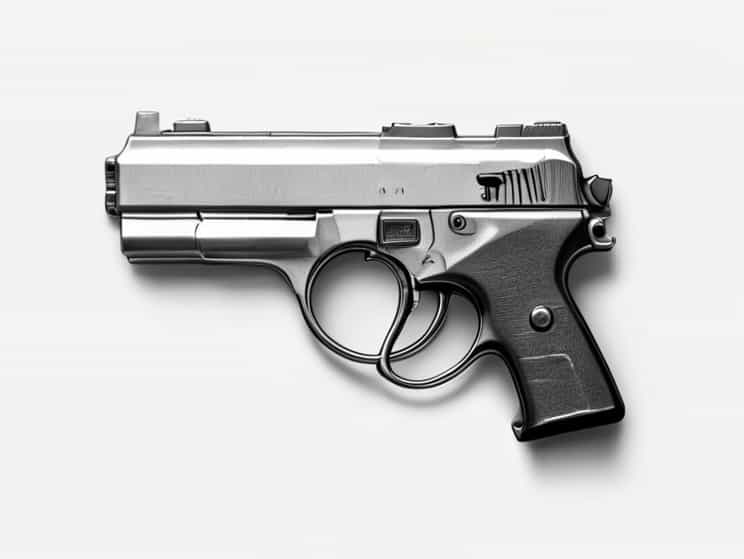
The 1911 pistol is one of the most iconic firearms in history, recognized for its reliability, design, and adaptability. Among the many components that define the 1911’s performance is the mainspring housing, a crucial part that affects the grip, trigger feel, and overall durability of the pistol. In recent years, aluminum mainspring housings have become increasingly popular due to their lightweight properties and customization potential. Understanding the features, benefits, and considerations of an aluminum mainspring housing for the 1911 is essential for both enthusiasts and gunsmiths looking to optimize performance.
Overview of the Mainspring Housing
The mainspring housing is located at the rear of the 1911’s grip frame and encases the mainspring, which is responsible for controlling the tension of the hammer. It serves both functional and aesthetic purposes, impacting the pistol’s feel in the hand and the mechanics of the trigger system. Standard mainspring housings were traditionally made of steel, providing durability but adding weight to the firearm. The introduction of aluminum mainspring housings has provided a lighter alternative that can enhance handling without compromising strength when properly manufactured.
Material and Construction
Aluminum mainspring housings are typically crafted from high-quality aluminum alloys, chosen for their balance of strength, corrosion resistance, and weight reduction. These housings are often precision-machined to maintain tight tolerances, ensuring a secure fit with the 1911 frame. Some models also feature additional coatings, such as anodizing, to increase surface hardness, resist wear, and enhance appearance. The combination of lightweight construction and durable finish makes aluminum mainspring housings a popular choice for competitive shooters and firearm enthusiasts.
Advantages of Aluminum Mainspring Housings
1. Weight Reduction
One of the primary benefits of aluminum mainspring housings is the reduction in overall pistol weight. A lighter mainspring housing can improve balance, making the 1911 easier to handle and maneuver, especially during extended shooting sessions. This can be particularly advantageous in competitive shooting scenarios where precision and speed are critical.
2. Customization Options
Aluminum mainspring housings often come in various shapes and styles, allowing shooters to customize the grip profile of their 1911. Options include flat, arched, or extended designs, which can enhance ergonomics, improve control, and provide a personalized look. Additionally, anodized finishes allow for aesthetic customization, giving the firearm a unique and polished appearance.
3. Enhanced Trigger Feel
The rigidity and precise fit of aluminum mainspring housings can contribute to a more consistent trigger pull. By providing a stable platform for the hammer spring assembly, these housings help maintain proper hammer tension, which can lead to smoother and more predictable trigger performance. For competitive shooters or those seeking optimal performance, this is a notable advantage over standard steel or polymer housings.
Considerations and Limitations
While aluminum mainspring housings offer several advantages, there are certain considerations to keep in mind. Aluminum is softer than steel, which means it may be more susceptible to wear over time, particularly under heavy use. However, modern manufacturing techniques, heat treatment, and anodized finishes can mitigate this concern. It is also important to ensure compatibility with the 1911 model in question, as slight variations in frame dimensions or mainspring tension may affect performance.
1. Durability
Aluminum housings are generally durable for standard and competitive use, but they may not be ideal for extreme-duty applications where maximum longevity and resistance to heavy impact are required. Proper installation, regular maintenance, and periodic inspection are recommended to ensure continued performance.
2. Installation
Installing an aluminum mainspring housing on a 1911 may require minor fitting or adjustment, especially if the housing is custom-shaped or extended. While many housings are designed as drop-in replacements, professional fitting can ensure proper alignment, secure fit, and optimal hammer spring function. Gunsmiths often recommend test fitting and careful evaluation before final installation.
Applications of Aluminum Mainspring Housings
1. Competitive Shooting
Competitive shooters often prefer aluminum mainspring housings for their lightweight properties and ergonomic options. The reduced weight can decrease hand fatigue during rapid shooting sequences, while customized profiles improve control and trigger responsiveness. In sports such as IPSC, IDPA, or Bullseye shooting, these features can provide a competitive edge.
2. Custom 1911 Builds
Aluminum mainspring housings are popular among gunsmiths and enthusiasts building custom 1911s. They allow for creative designs, precise fitting, and enhanced aesthetics. Whether the goal is a lightweight carry pistol, a competition-grade firearm, or a showpiece, aluminum housings offer versatility that complements other custom components like grips, triggers, and sights.
3. Everyday Carry and Tactical Use
For those using a 1911 as an everyday carry or tactical firearm, aluminum housings can contribute to a lighter, more balanced pistol without sacrificing reliability. While durability remains a consideration, high-quality anodized housings provide sufficient strength for typical use, making them a practical upgrade for personal defense firearms.
Maintenance and Care
Proper care of aluminum mainspring housings ensures longevity and reliable performance. Cleaning should be performed regularly to remove debris, powder residue, and moisture. Lubrication of the mainspring and related components is essential, but abrasive cleaning methods should be avoided to prevent scratching or wearing the anodized surface. Inspecting the housing for signs of wear or stress periodically is also recommended to maintain safe operation.
Popular Manufacturers and Styles
Several manufacturers produce aluminum mainspring housings for 1911 pistols, offering a range of profiles and finishes. Styles include flat-bottomed, arched, checkered, and skeletonized designs, catering to different preferences in grip feel and aesthetics. Reputable manufacturers focus on precision machining and quality control, ensuring consistent fit and performance for both standard and custom 1911 models.
An aluminum mainspring housing for the 1911 combines functionality, aesthetics, and performance enhancement in a single component. Its lightweight construction, customization options, and potential for improved trigger feel make it an attractive upgrade for competitive shooters, custom builders, and everyday users. While considerations regarding durability and installation should be kept in mind, high-quality aluminum housings provide a reliable and visually appealing alternative to traditional steel components. By understanding the advantages and limitations of aluminum mainspring housings, 1911 enthusiasts can make informed choices that enhance both the performance and appearance of their firearms.