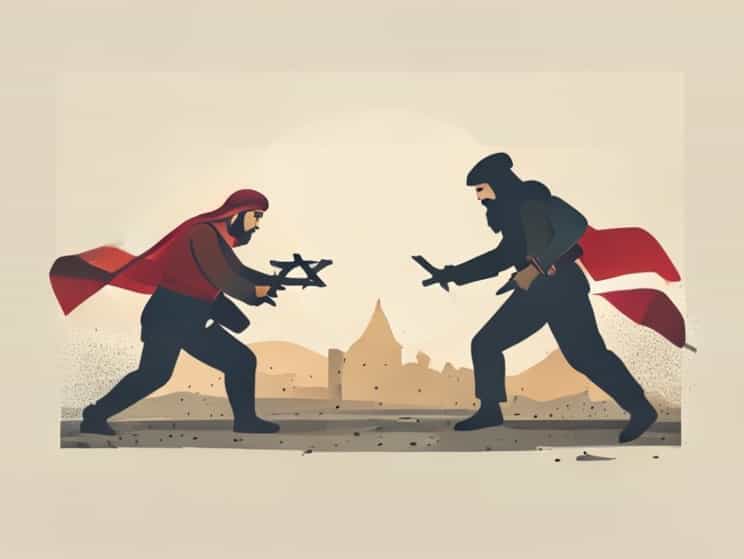
The relationship between Israel and Hezbollah has long been a source of tension in the Middle East, raising concerns among regional and international observers. While the two sides have not engaged in a continuous full-scale war since the 2006 Lebanon War, sporadic clashes, border tensions, and proxy conflicts have kept the region on edge. Analysts continue to monitor developments closely, as Hezbollah, a Shiite militant group and political party based in Lebanon, remains heavily armed and supported by Iran, while Israel maintains a sophisticated military presence and intelligence network along its northern border.
Historical Background of Israel and Hezbollah Conflict
The origins of the conflict between Israel and Hezbollah can be traced back to the late 1980s, during the Israeli occupation of southern Lebanon. Hezbollah emerged as a resistance movement with the backing of Iran, seeking to expel Israeli forces from Lebanese territory. Over the years, Hezbollah evolved into a powerful military and political organization, gaining influence in Lebanon’s government and establishing a vast network of social services alongside its armed wing.
The 2006 Lebanon War
One of the most significant escalations between Israel and Hezbollah occurred in 2006. The conflict began when Hezbollah militants captured two Israeli soldiers near the border, prompting Israel to launch a large-scale military operation in Lebanon. The war lasted 34 days, resulting in widespread destruction in Lebanon and causing casualties on both sides. Despite the intensity of the conflict, neither side achieved a decisive military victory, and a UN-brokered ceasefire ended the hostilities.
Current Tensions and Clashes
Since 2006, Israel and Hezbollah have engaged in periodic confrontations along the Israel-Lebanon border. These incidents typically involve cross-border attacks, rocket fire, and Israeli airstrikes targeting Hezbollah positions in Lebanon and Syria. While these clashes have not escalated into an official state of war, they demonstrate the ongoing volatility of the relationship.
Hezbollah’s Military Capabilities
Hezbollah maintains a significant arsenal, including tens of thousands of rockets and missiles capable of reaching deep into Israeli territory. The group has also developed advanced military tactics and maintains a presence in southern Lebanon, often using civilian areas for strategic purposes. Its involvement in the Syrian civil war has further enhanced its combat experience and strengthened ties with Iran and other regional actors.
Israel’s Preparedness and Defense Strategy
Israel, for its part, has focused on maintaining a high state of readiness against potential Hezbollah aggression. The Israeli Defense Forces (IDF) regularly conduct exercises, deploy advanced missile defense systems, and monitor Hezbollah activity through intelligence operations. Israel’s strategy involves deterring Hezbollah from initiating large-scale attacks while maintaining the capability to respond swiftly if hostilities escalate.
Proxy Conflicts and Regional Implications
The tension between Israel and Hezbollah is often intertwined with broader regional conflicts. Hezbollah’s close alliance with Iran positions the group as part of a larger network of forces opposing Israeli influence in the Middle East. Additionally, Hezbollah’s presence in Syria and its involvement in supporting the Assad regime have added complexity to Israel’s security concerns, as cross-border incidents occasionally occur in northern Israel and the Golan Heights.
International Perspective
International actors closely monitor the situation due to the potential for a wider regional conflict. The United Nations Interim Force in Lebanon (UNIFIL) has been deployed along the Israel-Lebanon border to monitor ceasefire agreements and reduce tensions. However, both Israel and Hezbollah continue to operate independently, leaving room for misunderstandings and miscalculations that could trigger a larger confrontation.
Signs of Escalation and De-escalation
Recent years have seen a mix of escalation and restraint. While occasional rocket attacks and airstrikes occur, both sides have largely avoided a full-scale war. Hezbollah appears to calibrate its actions to send political messages without provoking a massive Israeli response, while Israel emphasizes targeted strikes and strategic deterrence. This dynamic has created a tense but controlled environment where small-scale incidents are frequent, yet large-scale warfare has been avoided.
Diplomatic and Political Factors
Political developments in Lebanon, Israel, and the broader region influence the conflict dynamics. Internal Lebanese politics, including Hezbollah’s role in government, can affect the group’s posture toward Israel. Similarly, changes in Israeli leadership and military strategy impact the likelihood of preemptive actions or responses to Hezbollah activities. International diplomacy, particularly involving the United States and European nations, often seeks to prevent escalation and maintain relative stability along the border.
Potential for Future Conflict
The question of whether Israel and Hezbollah are at war is complex. Technically, there is no declared war between the two, but the persistent cycle of hostilities, military readiness, and strategic posturing creates a situation that is often described as a cold war” or ongoing conflict. Analysts caution that any significant provocation, such as a major cross-border attack or a miscalculation during military operations, could trigger a rapid escalation into open warfare.
Key Factors to Watch
- Hezbollah’s military build-up and acquisition of new weapons systems.
- Israeli intelligence and monitoring of Hezbollah positions in Lebanon and Syria.
- Regional political developments, including Iran’s influence and alliances in the Middle East.
- Cross-border incidents and the potential for escalation from localized skirmishes.
- International diplomatic efforts to prevent escalation and maintain ceasefire agreements.
While Israel and Hezbollah are not technically at war, the relationship between the two remains highly volatile. The legacy of past conflicts, ongoing military preparedness, and the complex regional dynamics ensure that tensions will continue to simmer. Both parties appear committed to maintaining a delicate balance, avoiding full-scale war while engaging in periodic clashes and strategic posturing. For observers and analysts, the situation demands careful monitoring, as the potential for escalation remains ever-present, reflecting the intricate and often precarious nature of Middle Eastern geopolitics.