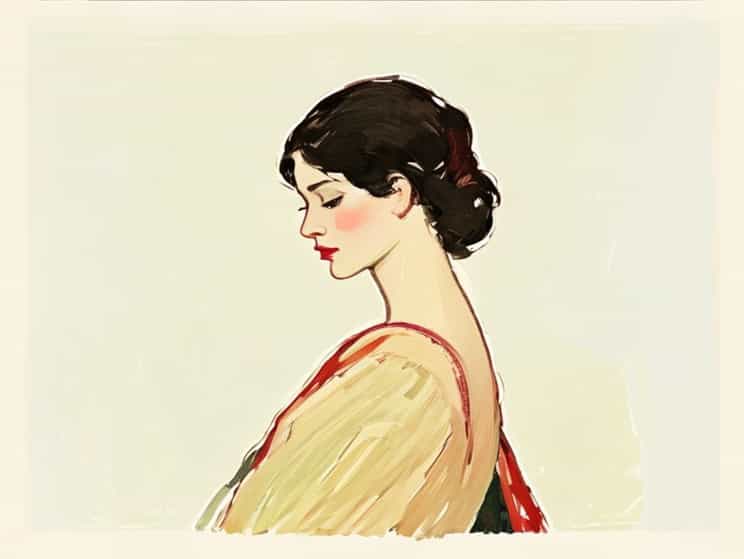
Mary Cassatt, an American painter and printmaker, is widely celebrated for her unique contributions to the Impressionist movement in the late 19th and early 20th centuries. Her art is distinguished by its intimate portrayal of women and children, capturing tender moments with sensitivity and depth. Cassatt’s paintings and prints often explore themes of maternal care, domestic life, and the quiet nuances of everyday experiences. Through her mastery of color, composition, and innovative techniques, Cassatt left a lasting legacy that continues to inspire art enthusiasts and scholars around the world.
Early Life and Artistic Formation
Born in 1844 in Allegheny City, Pennsylvania, Mary Cassatt showed an early interest in art and began her formal training in the United States before moving to Europe to advance her education. She studied in prestigious institutions and apprenticed under notable artists, developing a strong foundation in drawing, painting, and printmaking. Her early work reflects a combination of academic rigor and a burgeoning interest in contemporary artistic movements, laying the groundwork for her eventual embrace of Impressionism.
European Influence and Impressionism
In the 1870s, Cassatt moved to Paris, where she became deeply influenced by the Impressionist movement. She associated with artists such as Edgar Degas, Claude Monet, and Pierre-Auguste Renoir, absorbing their innovative approaches to light, color, and modern life. Cassatt’s art evolved to emphasize loose brushwork, vibrant palettes, and the depiction of ordinary, everyday scenes. Unlike some of her contemporaries, Cassatt focused on private and domestic subjects, exploring the lives of women and children with remarkable insight.
Signature Themes in Mary Cassatt’s Art
Mary Cassatt’s art is renowned for its exploration of intimate and personal subjects. She frequently painted mothers with their children, capturing the tender and nurturing moments that define family life. Her work also includes women engaged in leisure activities, reading, or enjoying private contemplation. Through these subjects, Cassatt conveyed both the emotional depth and social realities of women during her era.
Motherhood and Childhood
One of Cassatt’s most celebrated themes is the bond between mother and child. Paintings such as The Child’s Bath and Mother and Child exemplify her skill in portraying affection, protection, and quiet interaction. She utilized composition, gaze, and gestures to evoke intimacy and emotional connection, allowing viewers to feel the depth of these relationships. Her works highlight the importance of nurturing and the subtle beauty found in everyday routines.
Women in Daily Life
Cassatt also explored the lives of women beyond motherhood. She depicted women reading letters, attending social gatherings, or engaging in artistic or cultural activities. By focusing on these private and personal moments, Cassatt’s art offers insight into the societal roles, aspirations, and independence of women in the late 19th century. Her attention to detail and careful observation of gestures and surroundings brought authenticity and relatability to her subjects.
Techniques and Artistic Style
Mary Cassatt’s art is characterized by a distinct approach to composition, color, and form. She often employed soft yet vibrant palettes, emphasizing pastel hues that conveyed warmth and gentleness. Her brushwork varied from delicate, precise strokes in portraits to looser, expressive marks in larger compositions. Additionally, Cassatt was an innovator in printmaking, mastering techniques such as drypoint and etching to produce intimate, detailed images that complemented her painting style.
Use of Light and Color
Light played a crucial role in Cassatt’s work. She skillfully depicted natural light filtering into interiors, illuminating her subjects and highlighting textures, expressions, and gestures. Her use of color was equally sophisticated, often combining subtle tones with more vibrant accents to create depth and emotional resonance. The interplay of light and color helped Cassatt achieve a sense of immediacy and realism while maintaining the soft, impressionistic quality that defines her style.
Composition and Perspective
Cassatt’s compositions are notable for their balance and thoughtful arrangement of figures and space. She frequently employed unconventional angles and close cropping to draw viewers into intimate scenes, creating a sense of presence and participation. The perspective in her works often reflects a private, observational viewpoint, reinforcing the personal and contemplative nature of her subjects. This approach set her apart from many of her contemporaries and contributed to the distinctiveness of her artistic vision.
Mary Cassatt and Printmaking
In addition to painting, Mary Cassatt was a pioneering printmaker. She experimented with etching, drypoint, and aquatint to create prints that explored similar themes of domestic life, women, and children. Her prints allowed her to reach a broader audience and showcased her meticulous attention to detail and mastery of line and texture. Many of her prints were inspired by Japanese ukiyo-e woodblock prints, which influenced her compositional choices and use of flat color planes.
Notable Prints
- Woman Bathing seriesDemonstrates Cassatt’s focus on private, everyday moments with careful attention to gesture and expression.
- The LetterCaptures the intimate act of reading a letter, highlighting emotion and narrative through posture and facial expression.
- Young Mother SewingEmphasizes domestic life and maternal care, characteristic of Cassatt’s thematic focus.
Legacy and Influence
Mary Cassatt’s art has had a profound and lasting influence on both American and European art. She broke new ground by focusing on the lives of women and children, offering perspectives that were often overlooked in the male-dominated art world of her time. Cassatt’s works are celebrated in major museums worldwide, including the Metropolitan Museum of Art, the Art Institute of Chicago, and the Musée d’Orsay. Her emphasis on intimacy, emotional depth, and observational precision continues to inspire artists and captivate audiences today.
Recognition and Exhibitions
During her lifetime, Cassatt exhibited extensively with the Impressionists, gaining recognition in both France and the United States. Retrospectives and exhibitions in the 20th and 21st centuries have further cemented her reputation as a significant figure in art history. Scholars continue to study her techniques, themes, and contributions to Impressionism, acknowledging her unique voice and pioneering approach to portraying women and domestic life.
Mary Cassatt’s art remains a testament to her vision, sensitivity, and technical mastery. Through her paintings and prints, she captured the intimate moments of women and children with a depth of emotion and observation that continues to resonate with audiences. Her innovative techniques, use of color and light, and focus on private, domestic life distinguish her as one of the most important figures in Impressionist art. By combining technical skill with a profound understanding of human experience, Cassatt created works that are timeless, compelling, and deeply human.
In summary, the art of Mary Cassatt reflects a unique combination of Impressionist innovation, emotional intimacy, and technical precision. Her exploration of motherhood, domestic life, and the everyday experiences of women offers a window into the social and cultural context of her era while remaining universally relatable. Through painting and printmaking, Cassatt not only contributed significantly to the Impressionist movement but also carved out a distinctive legacy that continues to inspire and influence artists and audiences worldwide.