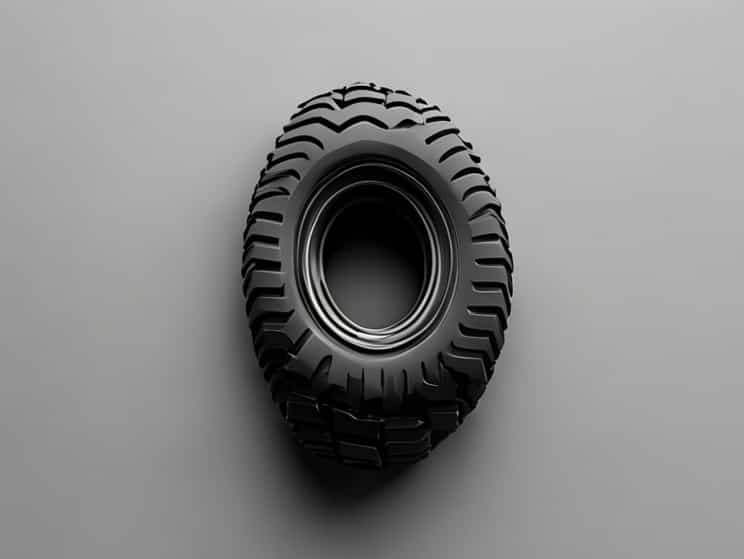
Tyre tread depth is a critical aspect of vehicle safety, affecting grip, braking performance, and overall handling on the road. The depth of the tread determines how effectively a tyre can channel water away, maintain traction, and prevent accidents, especially in wet or slippery conditions. Driving with worn tyres not only increases the risk of skidding and hydroplaning but can also result in legal penalties and higher fuel consumption. Understanding AT tyre tread depth, monitoring it regularly, and knowing when to replace tyres are essential practices for responsible vehicle maintenance.
Understanding Tyre Tread Depth
Tyre tread depth refers to the measurement of the grooves on the surface of a tyre. These grooves, also known as sipes, help improve traction by providing channels for water, snow, and debris to escape. The deeper the tread, the better the tyre can maintain contact with the road, reducing the likelihood of accidents. Standard new tyres typically have a tread depth of 8 to 9 millimeters, and most safety experts recommend replacing tyres when tread depth falls below 1.6 millimeters, which is the legal minimum in many countries.
All-Terrain (AT) Tyres
All-terrain (AT) tyres are designed to perform well on both paved roads and off-road surfaces. They feature a robust tread pattern with larger voids and more aggressive sipes, which help provide traction on gravel, mud, sand, and snow. AT tyre tread depth is generally deeper than standard road tyres to withstand rough terrains and extend the lifespan of the tyre. Monitoring the tread depth of AT tyres is particularly important because uneven or excessive wear can compromise off-road performance and increase the risk of punctures or blowouts.
Importance of Proper Tread Depth
Maintaining adequate AT tyre tread depth is crucial for several reasons
- SafetyDeeper treads improve grip on wet and slippery surfaces, reducing stopping distances and the likelihood of accidents.
- HandlingAdequate tread depth ensures that the vehicle responds accurately to steering inputs, maintaining control even in challenging conditions.
- Hydroplaning PreventionTreads channel water away from the tyre’s contact patch, preventing hydroplaning during rainy conditions.
- DurabilityProper tread depth distributes pressure evenly across the tyre, reducing premature wear and extending tyre lifespan.
Factors Affecting AT Tyre Tread Depth
Several factors influence how quickly AT tyre tread depth diminishes
- Driving ConditionsFrequent off-road driving, gravel roads, and rough terrains accelerate tread wear.
- Tyre MaintenanceRegular rotation, proper inflation, and alignment can prevent uneven wear and extend tyre life.
- Load and SpeedOverloading the vehicle or driving at high speeds increases the stress on tyres, causing faster tread depletion.
- Tyre QualityHigh-quality tyres with reinforced construction maintain tread depth longer than cheaper alternatives.
Checking Tread Depth
Regularly measuring AT tyre tread depth helps ensure optimal performance and safety. There are several methods to check tread depth
- Tread Depth GaugeA simple tool that measures the depth in millimeters. Insert the probe into the grooves to get an accurate reading.
- Penny TestInsert a coin into the tread with Lincoln’s head facing down. If the top of his head is visible, the tread is too shallow and the tyre should be replaced.
- Tread Wear IndicatorsMany tyres have built-in indicators that show when the tread has worn down to the minimum safe level.
Signs of Worn Tyres
Besides measuring tread depth, there are visual cues indicating that AT tyres need replacement
- Visible flat spots or bald patches on the tyre surface.
- Cracks or cuts along the sidewall or tread area.
- Uneven wear patterns, such as more wear on one edge of the tyre.
- Poor traction, longer braking distances, or frequent skidding.
Maintaining AT Tyre Tread Depth
Proper maintenance of AT tyres helps preserve tread depth and ensures safe driving. Key practices include
- Regular RotationRotating tyres every 5,000 to 8,000 kilometers ensures even wear across all tyres.
- Proper InflationKeeping tyres inflated to the manufacturer’s recommended pressure prevents uneven tread wear.
- Wheel AlignmentCorrect alignment prevents tyres from wearing unevenly, especially during off-road use.
- Avoid OverloadingAdhering to vehicle load limits reduces excessive stress on tyres and preserves tread depth.
- Careful DrivingAvoiding sudden acceleration, harsh braking, and aggressive cornering can prolong tyre life.
Legal and Safety Regulations
In many countries, there are legal requirements for minimum tyre tread depth. For instance, in the UK, the legal minimum is 1.6 millimeters across the central three-quarters of the tread. Driving with tyres below this depth can lead to fines, penalties, and increased liability in case of accidents. Beyond legal compliance, maintaining proper tread depth ensures maximum traction, reduces braking distances, and enhances overall vehicle control, making it a crucial aspect of road safety.
AT tyre tread depth is essential for vehicle safety, performance, and longevity. Regular monitoring, proper maintenance, and timely replacement are critical to ensuring that tyres provide optimal grip and handling under various driving conditions. All-terrain tyres, designed for versatility across both on-road and off-road surfaces, require careful attention due to their deeper treads and exposure to rugged conditions. By prioritizing tread depth and following recommended safety practices, drivers can enhance their safety, reduce risks on the road, and maximize the lifespan of their tyres, ensuring reliable performance for years to come.