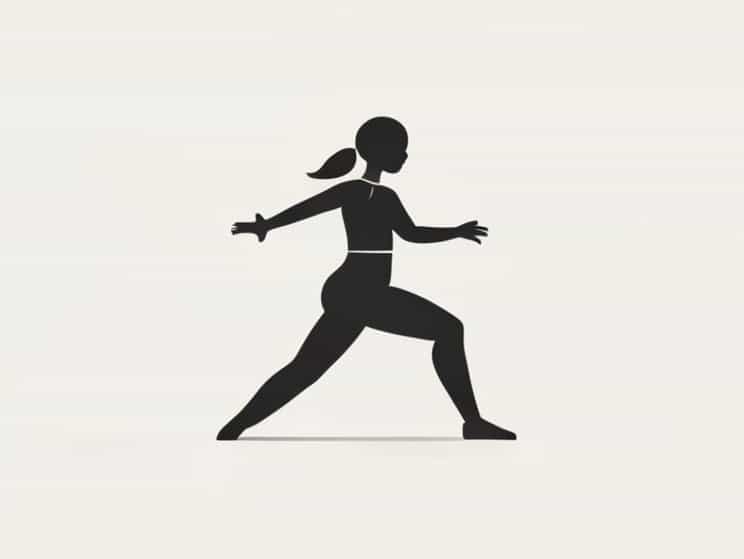
When it comes to lower body exercises, many people immediately think of squats, deadlifts, or traditional lunges. However, one movement that often gets overlooked is the curtsy lunge. This unique variation of the standard lunge targets muscles in a slightly different way, creating benefits that go beyond just building strength. The curtsy lunge combines elements of balance, coordination, mobility, and stability, making it a powerful addition to any fitness routine. Athletes, beginners, and fitness enthusiasts alike can gain significant improvements in lower body strength and overall performance by including curtsy lunges in their workouts.
Understanding the Curtsy Lunge
The curtsy lunge is a functional exercise that mimics the motion of stepping diagonally backward, crossing one leg behind the other while lowering the body into a lunge position. It gets its name from the resemblance to the formal gesture of a curtsy. Unlike traditional forward or reverse lunges, this movement engages muscles at different angles, emphasizing balance and stabilization. Proper form is essential for reaping the full benefits and avoiding strain, but once mastered, the curtsy lunge can provide a wide range of advantages.
Muscles Worked in the Curtsy Lunge
This exercise may look graceful, but it is highly effective at engaging several muscle groups. By combining strength and coordination, the curtsy lunge helps train the body as a whole, not just isolated muscles.
- GlutesThe diagonal motion targets the gluteus medius and minimus, which are often harder to activate with standard lunges.
- QuadricepsThe front thigh muscles work to support the lowering and rising phases of the lunge.
- HamstringsLocated at the back of the thighs, these muscles assist in stabilizing the legs during the cross-behind movement.
- AdductorsInner thigh muscles are activated to maintain balance and control the crossover motion.
- Calves and AnklesStabilizing muscles in the lower legs help maintain balance throughout the movement.
- CoreAbdominal and oblique muscles work to keep the torso upright and stable.
Benefits of Adding Curtsy Lunges to Your Routine
1. Improves Glute Activation
One of the standout benefits of the curtsy lunge is its ability to activate the glute muscles more effectively than some traditional lower-body exercises. The crossing motion challenges the gluteus medius, which plays an important role in hip stability and overall lower body strength. Strong glutes not only enhance athletic performance but also help prevent common injuries related to the hips and knees.
2. Enhances Hip Mobility and Flexibility
The diagonal step in a curtsy lunge stretches the hips in a unique way, improving mobility and flexibility in the hip joint. This is particularly beneficial for people who spend long hours sitting, as hip tightness can contribute to discomfort and reduced range of motion. Incorporating curtsy lunges regularly can counteract stiffness and promote better hip health.
3. Strengthens Stabilizer Muscles
Because the movement requires crossing one leg behind the body, stabilizer muscles are constantly engaged to keep balance. This not only strengthens smaller supporting muscles but also improves overall coordination. The more these stabilizer muscles are trained, the more efficient and balanced the body becomes in both exercise and daily activities.
4. Improves Balance and Coordination
Balance is a key component of the curtsy lunge. Unlike traditional lunges, the diagonal motion requires the body to control movement across multiple planes. Over time, practicing curtsy lunges enhances coordination, making athletes more agile and helping everyday individuals feel more stable in their movements.
5. Reduces Risk of Injury
Weak glutes and poor hip stability are common contributors to knee and lower back injuries. By targeting the gluteus medius and improving hip control, curtsy lunges reduce the risk of strain or injury. Athletes, runners, and those who engage in high-impact activities benefit greatly from this type of preventive strengthening.
6. Engages the Core
To maintain an upright torso during a curtsy lunge, the core must stay engaged. This builds abdominal and oblique strength, which supports better posture and spinal alignment. A stronger core also translates to improved performance in other exercises and daily movements.
7. Functional Movement Benefits
The curtsy lunge mimics real-life movements such as stepping to the side or adjusting the body in a diagonal motion. Training these types of functional movements enhances daily mobility and athletic performance. From playing sports to climbing stairs, the curtsy lunge strengthens patterns that the body naturally uses.
8. Adds Variety to Workouts
Doing the same exercises repeatedly can lead to plateaus and boredom. The curtsy lunge offers a refreshing variation that challenges the muscles in new ways. Adding it into leg day routines keeps workouts dynamic and prevents overuse of the same muscle fibers.
How to Perform a Curtsy Lunge Correctly
Proper form is essential to fully enjoy the benefits of curtsy lunges. Here is a step-by-step guide
- Stand tall with feet hip-width apart and hands on your hips or in front of your chest for balance.
- Step your right leg diagonally behind your left leg, crossing it as though performing a curtsy.
- Bend both knees to lower your body until your left thigh is nearly parallel to the floor.
- Keep your chest upright and core engaged throughout the movement.
- Push through your left heel to return to the starting position.
- Repeat on the other side and alternate legs for the desired number of repetitions.
Common Mistakes to Avoid
To prevent strain and ensure maximum effectiveness, avoid these common mistakes
- Leaning forwardMaintain an upright posture to protect the spine and engage the core.
- Letting the front knee cave inwardKeep the knee aligned with the toes to avoid joint stress.
- Rushing through repsPerform each lunge with control to engage stabilizers properly.
- Not crossing far enoughMake sure the back leg crosses behind at an angle to fully activate the glutes.
Variations of the Curtsy Lunge
To keep the movement challenging and engaging, there are several variations you can try
- Curtsy Lunge with PulseHold the bottom position and pulse up and down for extra glute activation.
- Weighted Curtsy LungeAdd dumbbells or a kettlebell for increased resistance.
- Curtsy Lunge to Side KickAdd a side kick as you return to standing for a balance and core challenge.
- Walking Curtsy LungePerform the movement while stepping forward with alternating legs.
Incorporating Curtsy Lunges into Your Routine
The curtsy lunge can be performed as part of a warm-up, strength training session, or even a bodyweight circuit. Beginners may start with 2-3 sets of 8-10 reps per side, focusing on form. More advanced individuals can add weights or higher reps for increased intensity. Pairing curtsy lunges with squats, traditional lunges, and hip thrusts creates a comprehensive lower-body workout that covers all major muscle groups.
The benefits of curtsy lunges extend far beyond aesthetics. From strengthening the glutes and improving hip mobility to enhancing balance, coordination, and injury prevention, this versatile exercise has something to offer everyone. Its functional nature makes it useful for athletes, fitness enthusiasts, and anyone looking to move more efficiently in daily life. By adding curtsy lunges into your fitness routine, you can unlock better strength, stability, and long-term health for your lower body.