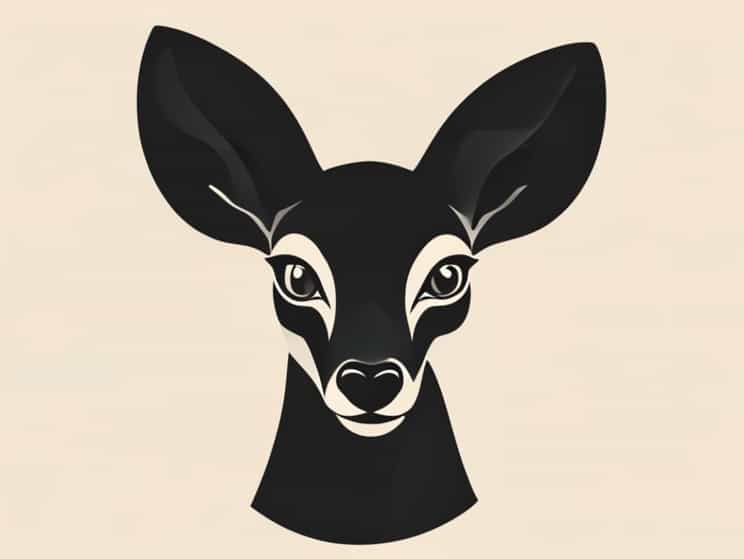
Across the vast Sahara Desert, survival requires remarkable adaptations. The intense heat, shifting sands, and scarce water supply make life extremely challenging for wildlife. Among the most fascinating creatures found here are the big eared Saharan animals, whose oversized ears play a crucial role in regulating body temperature and improving hearing. These unique features not only make them stand out but also allow them to thrive in one of the harshest environments on earth. Learning about these desert inhabitants offers insight into the resilience of nature and the importance of adaptation.
The Role of Big Ears in Desert Survival
The most recognizable feature of many Saharan animals is their unusually large ears. These ears serve multiple purposes that go far beyond appearance. They act as natural cooling systems, radiating heat away from the body to prevent overheating during scorching daytime temperatures. In addition, they provide exceptional hearing, helping animals detect prey or predators across vast, silent landscapes. This dual function makes them an evolutionary advantage in the Sahara’s demanding ecosystem.
The Fennec Fox Icon of the Sahara
The fennec fox is perhaps the most iconic big eared Saharan animal. With ears that can reach up to 15 centimeters long, it has become a symbol of desert life. This tiny nocturnal fox weighs only about 1 to 1.5 kilograms, yet it is perfectly suited for survival in the desert.
Key Adaptations of the Fennec Fox
- Large ears that release heat and provide excellent hearing.
- Thick fur that protects against both the daytime sun and the chilly desert nights.
- Furry paws that act like natural shoes, protecting against hot sand and aiding in quiet movement.
- A nocturnal lifestyle that avoids extreme daytime temperatures.
The fennec fox primarily feeds on insects, small mammals, plants, and occasionally birds, making it an opportunistic omnivore. Its ability to survive without direct access to water by extracting moisture from food is another remarkable adaptation.
The Desert Hedgehog
Another big eared Saharan animal worth noting is the desert hedgehog. While smaller in size compared to the fennec fox, its ears are still large relative to its body. The desert hedgehog relies on these ears not only for temperature control but also to detect subtle sounds from insects and other prey hiding beneath the sand.
Features of the Desert Hedgehog
- Distinctive spines that provide protection from predators.
- Big ears that aid in thermoregulation and sound detection.
- Nocturnal feeding habits focused on insects, worms, and small invertebrates.
This hedgehog is a quiet survivor of the Sahara, often overlooked but crucial to the desert’s ecological balance. Its resilience shows how even the smallest animals can thrive in challenging conditions.
The Jerboa A Desert Acrobat
The jerboa, with its large ears and powerful hind legs, is another fascinating desert dweller. Resembling a miniature kangaroo, this small rodent is perfectly adapted to the sandy environment. Its ears help release heat, while its long legs allow it to leap great distances to escape predators.
Adaptations of the Jerboa
- Oversized ears that keep its body cool during the day.
- Exceptional jumping ability to evade predators quickly.
- A diet that includes seeds, plants, and insects.
- Burrowing behavior to avoid daytime heat and conserve moisture.
The jerboa’s unique appearance and survival strategies make it one of the most remarkable big eared Saharan animals, showcasing the incredible diversity of desert life.
Other Big Eared Animals of the Sahara
While the fennec fox, desert hedgehog, and jerboa are the most famous examples, the Sahara is home to several other big eared creatures. These include bats that hunt in the cool desert nights and various rodents that rely on enhanced hearing for survival. In each case, their ears are essential to life in a place where silence, heat, and danger dominate.
Examples Beyond Mammals
- Some Saharan hare species also have elongated ears for cooling and predator detection.
- Certain desert bat species use their large ears to locate insects through echolocation.
- Rodents with prominent ears rely on them to sense vibrations and threats in the sand.
Together, these animals contribute to the complex web of life in the Sahara, showing how evolution shapes species according to environmental demands.
The Importance of Conservation
Despite their incredible resilience, many big eared Saharan animals face threats from human activities and climate change. Habitat loss, hunting, and desertification pose real risks to these species. For instance, the fennec fox has been targeted for the exotic pet trade, leading to concerns about population sustainability. Similarly, changes in desert ecosystems caused by global warming may disrupt the delicate balance that allows these creatures to survive.
Conservation Efforts
- Protected areas within the Sahara provide safe habitats for vulnerable species.
- Wildlife organizations are raising awareness about the dangers of capturing wild animals for trade.
- Research projects focus on understanding the unique adaptations of desert animals to aid in their preservation.
Protecting big eared Saharan animals is not only about saving individual species but also about preserving the cultural and ecological richness of the Sahara Desert itself.
Why These Animals Capture Human Fascination
Big eared Saharan animals captivate people because they embody the mystery and beauty of survival against all odds. Their oversized ears give them an unusual appearance that sparks curiosity, while their adaptability highlights nature’s ingenuity. From the playful fennec fox to the elusive jerboa, these creatures inspire admiration and remind us of the importance of biodiversity.
The Sahara Desert may appear barren and lifeless at first glance, but it is home to extraordinary animals that have mastered the art of survival. The big eared Saharan animals are perfect examples of adaptation, using their remarkable ears to beat the heat and sharpen their senses. From the fennec fox to the desert hedgehog and jerboa, each species adds a chapter to the story of life in one of the world’s harshest environments. Protecting these animals ensures that future generations can continue to marvel at their resilience and the wonder of the desert ecosystem.