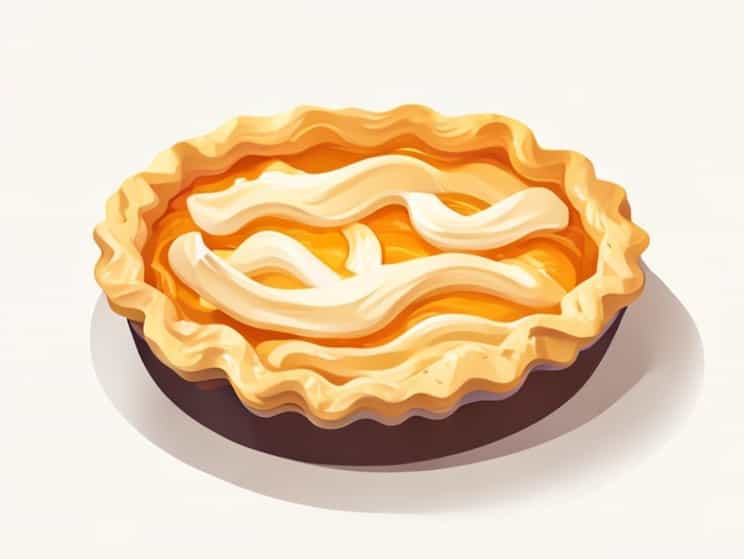
For anyone who enjoys baking pies, mastering the technique of blind baking a pie crust is an essential skill. Blind baking, sometimes called pre-baking, is the process of baking the pie crust before adding any filling. This technique is especially important for pies with fillings that don’t require much oven time or for those with liquid bases that might make the crust soggy if baked together. Understanding how to blind bake a pie crust properly can make the difference between a perfect golden crust and one that is undercooked or too soft.
What Does Blind Bake Pie Crust Mean?
Blind baking a pie crust means baking it partially or fully before adding the filling. This is done to ensure that the crust remains crisp and holds up well once the filling is added. For recipes like cream pies, custard pies, or tarts with delicate fillings, blind baking prevents the dreaded soggy bottom. The process usually involves lining the crust with parchment paper or foil and filling it with pie weights, beans, or rice to keep it from puffing up during baking.
Why Blind Baking is Necessary
Blind baking a pie crust is not just an extra step; it is a safeguard against common baking issues. When fillings are wet or take less time to cook than the crust, blind baking helps ensure the pastry is cooked thoroughly and stays crisp. Without this step, the bottom of the pie may remain doughy, which can ruin the overall texture.
Situations Where Blind Baking is Important
- Cream pies such as banana cream or chocolate cream
- Custard-based pies like lemon meringue or coconut cream
- Fresh fruit tarts with fillings added after baking
- Quiches that require a sturdy base to hold savory custard
Step-by-Step Guide to Blind Bake Pie Crust
Although the technique may sound intimidating, blind baking is a straightforward process when you follow a few simple steps. Here’s a step-by-step guide to help you blind bake a pie crust successfully.
1. Prepare the Dough
Start with your favorite pie dough recipe. Roll out the dough evenly on a lightly floured surface, then carefully transfer it to your pie dish. Trim the edges and crimp them to your liking. Chill the crust in the refrigerator for at least 30 minutes to prevent shrinking during baking.
2. Line the Crust
Once chilled, line the crust with parchment paper or aluminum foil. Make sure the lining extends beyond the edges to protect the crust’s rim from over-browning. This lining acts as a barrier and helps distribute weight evenly.
3. Add Weights
Fill the lined crust with pie weights, dried beans, or uncooked rice. These weights prevent the crust from bubbling or shrinking. Spread them evenly across the bottom and up the sides.
4. Bake the Crust
Place the pie dish in a preheated oven at around 375°F (190°C). Bake the crust for 15-20 minutes or until the edges start to look set. This stage is known as par-baking if the crust will bake further with filling.
5. Remove Weights and Continue Baking
Carefully lift out the parchment paper and weights. Return the crust to the oven and bake for another 10-15 minutes until the bottom looks dry and golden. For recipes requiring a fully baked crust, continue baking until the crust is crisp and evenly browned.
Common Mistakes to Avoid
Blind baking can be simple, but there are a few mistakes bakers should avoid to get the best results. Paying attention to these details ensures your crust stays perfect every time.
- Skipping the chilling stepCold dough is less likely to shrink or lose shape.
- Forgetting weightsWithout weights, the crust will puff up and create air bubbles.
- Not baking long enoughAn underbaked crust will absorb filling and become soggy.
- Over-baking edgesProtect the rim with foil if it browns too quickly.
Tips for a Perfect Blind Baked Crust
There are small tricks that can make a big difference when blind baking a pie crust. Whether you are making a sweet or savory dish, these tips will help improve the outcome.
Useful Tips
- Use ceramic or metal pie weights for even heat distribution.
- Dock the crust (prick with a fork) to release steam and prevent bubbling.
- Brush the crust with an egg wash after the first bake for extra crispness.
- Freeze the crust briefly before baking to reduce shrinking.
- Experiment with adding a thin layer of melted chocolate or jam to seal the crust for sweet pies.
Partial vs. Full Blind Baking
Blind baking can be partial or full, depending on the recipe. Understanding the difference helps you decide which method to use.
Partial Blind Baking
Par-baking, or partial blind baking, is when you bake the crust just long enough for it to start setting, usually about 15-20 minutes. This method is used when the crust will return to the oven with a filling, such as quiche or pumpkin pie.
Full Blind Baking
Full blind baking is when the crust is baked completely before adding any filling. This is required for pies or tarts with fillings that are not baked, such as cream pies or fresh fruit tarts. In this case, the crust must be golden and crisp before adding anything inside.
Blind Baking for Different Types of Crusts
Not all pie crusts are the same, and the blind baking technique may vary slightly depending on the type of crust used.
Traditional Butter or Shortening Crust
This classic crust requires chilling before baking and benefits from weights to maintain shape. The flavor is rich and buttery, making it a versatile choice for both sweet and savory pies.
Graham Cracker or Cookie Crust
Graham cracker and cookie crumb crusts are usually pressed into a pie dish and baked briefly without weights. These crusts firm up quickly and are commonly used for cheesecakes and cream pies.
Gluten-Free Crust
Gluten-free pie crusts often require extra care as they can be more fragile. Using parchment and weights is essential to help them maintain structure during blind baking.
Learning how to blind bake a pie crust is a skill that elevates your baking, ensuring that every pie has a crisp, delicious base that complements the filling. By understanding when blind baking is necessary, following the proper steps, and avoiding common mistakes, you can create pies that are both visually appealing and perfectly textured. Whether preparing a custard pie, a fruit tart, or a savory quiche, blind baking provides the foundation for success in every slice.