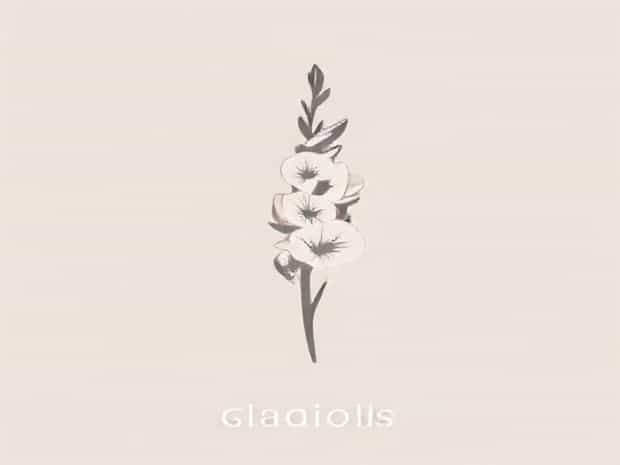
The gladiolus is a striking and elegant flowering plant admired for its tall spikes of colorful blooms and sword-shaped leaves. Known for its vibrant presence in gardens and floral arrangements, the gladiolus is a favorite among gardeners, florists, and flower enthusiasts worldwide. Its botanical name,Gladiolus, reflects not only its historical roots but also the plant’s distinctive characteristics, linking it to the sword-like shape of its leaves. Understanding the botanical classification, origin, care, and uses of gladiolus provides insight into why this plant continues to captivate people across generations.
Botanical Classification of Gladiolus
The botanical name of gladiolus isGladiolus L., which belongs to the family Iridaceae. The genus name Gladiolus is derived from the Latin word gladius, meaning sword, referencing the plant’s long, pointed leaves that resemble a Roman short sword. The genus includes over 260 species, most of which are native to South Africa, with a few species originating from Europe and the Mediterranean region. This diverse genus exhibits a wide range of flower colors, sizes, and blooming patterns, making it an adaptable and highly versatile plant for both ornamental and commercial purposes.
Characteristics of the Genus Gladiolus
Gladiolus plants are perennial, cormous plants, meaning they grow from corms, which are bulb-like structures that store nutrients and allow the plant to survive dormant periods. The plants typically produce tall, erect flower spikes, sometimes reaching heights of 1 to 1.5 meters, depending on the variety. Flowers emerge along one side of the spike and can be single or double, with colors ranging from red, pink, yellow, white, purple, and even bi-colored combinations. The striking appearance of gladiolus flowers makes them ideal for cut flower arrangements and decorative displays.
Leaf Structure
The leaves of gladiolus are long, narrow, and sword-shaped, growing from the base of the plant in a fan-like arrangement. These leaves not only contribute to the aesthetic appeal of the plant but also play a crucial role in photosynthesis, storing energy in the corms for the next growth season. The distinctive shape of the leaves is a key identifying feature of the genus and aligns with the etymology of its botanical name.
Origin and Distribution
Gladiolus species are predominantly native to South Africa, where the Cape Province is considered the center of diversity for this genus. Other species are found in the Mediterranean region, Europe, and tropical Asia. The natural habitats of gladiolus vary from grasslands and savannas to rocky outcrops, where the plants have adapted to survive dry summers and occasional frost. The wide distribution and adaptability of the genus have facilitated its cultivation in gardens around the world, from Europe to North America and Asia.
Historical Significance
Gladiolus has a rich history dating back to ancient times. Its name, derived from the Latin word for sword, reflects its cultural symbolism as a plant of strength, integrity, and remembrance. In Victorian floral language, gladiolus flowers were often used to convey messages of moral character and infatuation. Today, gladiolus continues to hold symbolic meaning, representing honor, remembrance, and strength in various cultural contexts.
Cultivation of Gladiolus
Gladiolus cultivation requires attention to soil, sunlight, and water conditions to ensure healthy growth and abundant flowering. These plants prefer well-draining, fertile soil with a neutral to slightly acidic pH. Full sunlight exposure encourages strong spikes and vibrant flower colors, while partial shade may result in weaker growth. Planting gladiolus corms in spring after the danger of frost has passed ensures optimal growth. Proper spacing, typically 10 to 15 centimeters apart, allows airflow and reduces the risk of disease.
Watering and Fertilization
Regular watering is essential during the growth and flowering stages, especially in dry conditions. Overwatering should be avoided to prevent corm rot. Fertilization with balanced nutrients, particularly phosphorus and potassium, supports strong root development and prolific flowering. Mulching around the base of plants helps conserve moisture, maintain consistent soil temperature, and control weeds, contributing to luxuriant growth and longer-lasting blooms.
Pest and Disease Management
Gladiolus is susceptible to pests such as thrips, aphids, and nematodes, as well as fungal diseases like botrytis and fusarium wilt. Integrated pest management practices, including crop rotation, proper spacing, and careful inspection of corms before planting, are effective strategies for maintaining plant health. Using resistant varieties and maintaining garden hygiene further reduces the risk of infestation or disease outbreak, ensuring robust and vibrant flowering.
Uses and Applications
Gladiolus has a wide range of uses in ornamental horticulture, floral design, and landscaping. The tall flower spikes are ideal for cut flower arrangements, providing vertical interest and dramatic impact. Gladiolus blooms are also popular in garden beds, borders, and containers, adding color and texture to both formal and informal landscapes. Additionally, their extended blooming period makes them a reliable source of color throughout the growing season.
Cultural and Decorative Uses
The symbolic value of gladiolus makes it a popular choice for ceremonial and decorative purposes. They are often used in weddings, memorial services, and public celebrations due to their association with strength, remembrance, and integrity. The diversity of flower colors allows florists to create customized arrangements that convey specific sentiments or match particular themes, making gladiolus a versatile and meaningful ornamental plant.
Hybridization and Varieties
Horticulturists have developed numerous gladiolus hybrids, enhancing color range, flower size, and disease resistance. These cultivars are often named and commercially propagated for gardeners and florists. Hybridization has expanded the adaptability of gladiolus to different climates and soil types, allowing for successful cultivation in regions outside their native range. The variety and availability of cultivars ensure that gardeners can select plants suited to their specific aesthetic and environmental preferences.
The botanical name of gladiolus,Gladiolus L., encapsulates the plant’s distinctive sword-shaped leaves and its historical and cultural significance. As a genus with diverse species and vibrant flowers, gladiolus offers both aesthetic beauty and practical utility in gardens, floral arrangements, and ceremonial contexts. Understanding its origin, growth requirements, and symbolic value allows gardeners and enthusiasts to appreciate this plant fully and cultivate it successfully. With proper care and attention, gladiolus continues to provide spectacular blooms and enrich landscapes worldwide, solidifying its place as one of the most admired and enduring ornamental plants.