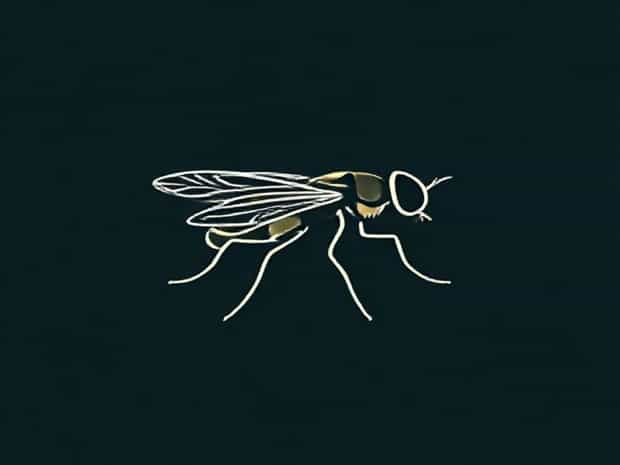
The tsetse fly is one of the most notorious insects in Africa, recognized for its role as a vector of serious diseases such as African trypanosomiasis, commonly known as sleeping sickness. Unlike plants or fungi, insects do not have botanical names, which are reserved for plant species. However, the tsetse fly does have a precise scientific classification, which is important for entomologists and researchers studying its biology, behavior, and disease transmission. Understanding the taxonomy of the tsetse fly provides insight into its ecological role, control methods, and the significance of accurate scientific naming in entomology.
Scientific Classification of the Tsetse Fly
While the term botanical name” is not technically applicable to animals, the tsetse fly has a well-established zoological classification. The tsetse fly belongs to the genusGlossina, which is part of the family Glossinidae. There are approximately 23 recognized species within this genus, each adapted to different ecological zones across sub-Saharan Africa. The scientific naming system allows researchers to differentiate between species, understand their geographic distribution, and study their potential as disease vectors.
Genus Glossina
The genusGlossinais divided into three subgenera based on geographic distribution and morphological features
- Glossina (Glossina)Includes species primarily found in savannah regions, such asGlossina morsitans, which is a major vector of animal trypanosomiasis.
- Glossina (Morsitans)Species in this group are often associated with woodland and forested areas and includeGlossina pallidipesandGlossina swynnertoni.
- Glossina (Fusca)These species inhabit riverine and forested habitats and includeGlossina fuscipes, an important vector of human sleeping sickness.
Key Species of Tsetse Fly
Understanding the different species of tsetse flies is crucial for disease control strategies. Some of the most significant species include
- Glossina morsitansCommon in savannah regions, responsible primarily for animal trypanosomiasis.
- Glossina palpalisFound along rivers and in forested areas, significant in the transmission of human African trypanosomiasis.
- Glossina fuscipesInhabits riverine habitats and plays a major role in transmitting sleeping sickness to humans.
- Glossina tachinoidesFound in West Africa, associated with both human and animal trypanosomiasis.
Importance of Scientific Naming
Scientific names provide a universal system that allows researchers worldwide to communicate unambiguously about species. The use of Latinized names likeGlossina morsitansorGlossina fuscipesensures that there is no confusion with common names, which can vary by language or region. Accurate naming is particularly important for tsetse flies because different species exhibit varying behaviors, host preferences, and capacities for disease transmission.
Differentiating Species
Species differentiation is not just a matter of academic interest. Control measures, such as insecticide-treated traps or sterile insect techniques, must be tailored to specific species and their habitats. For example,Glossina morsitansprefers open savannahs, whileGlossina fuscipesthrives along riverbanks. Misidentifying the species could reduce the effectiveness of eradication programs and disease prevention efforts.
Ecological Role of Tsetse Flies
Beyond their role as disease vectors, tsetse flies play important ecological roles. They are part of the food web, serving as prey for birds, reptiles, and other insects. By regulating populations of certain mammals through their parasitic activity, tsetse flies indirectly influence vegetation and ecosystem dynamics. Understanding their scientific classification and species-specific behavior helps ecologists assess their impact on local biodiversity and ecosystem health.
Human Health Implications
The tsetse fly’s primary significance is in public health. Human African trypanosomiasis is a potentially fatal disease if untreated, and controlling tsetse populations is a key preventive strategy. Knowledge of the fly’s taxonomy and species distribution informs targeted interventions, including
- Deploying traps in specific habitats where particular species are prevalent.
- Using insecticide-treated targets to reduce fly populations.
- Applying sterile insect techniques to suppress reproduction of specific species.
Research and Advances
Ongoing research into tsetse fly biology, genetics, and behavior relies heavily on precise scientific classification. Molecular tools, such as DNA barcoding, are increasingly used to confirm species identity, study population genetics, and track the spread of tsetse flies in new areas. Accurate naming, therefore, is foundational for both applied disease control and academic research.
Control Strategies
Several control strategies have been developed based on the biology of tsetse flies. These include
- Insecticide SprayingTargeted spraying in areas dominated by specific species.
- Trap and Bait SystemsUsing visual and olfactory attractants to capture flies.
- Sterile Insect TechniqueReleasing sterilized males to reduce reproduction rates in wild populations.
- Habitat ManagementAltering vegetation and water sources to reduce fly habitats.
Although tsetse flies do not have botanical names, their scientific classification within the genusGlossinaprovides a critical framework for understanding their biology, ecology, and role in disease transmission. Accurate identification of species, such asGlossina morsitansorGlossina fuscipes, is essential for implementing effective control measures and protecting human and animal health. By appreciating the importance of scientific naming and taxonomy, researchers and public health officials can better manage tsetse fly populations, mitigate the impact of trypanosomiasis, and understand the ecological role of these fascinating yet dangerous insects.