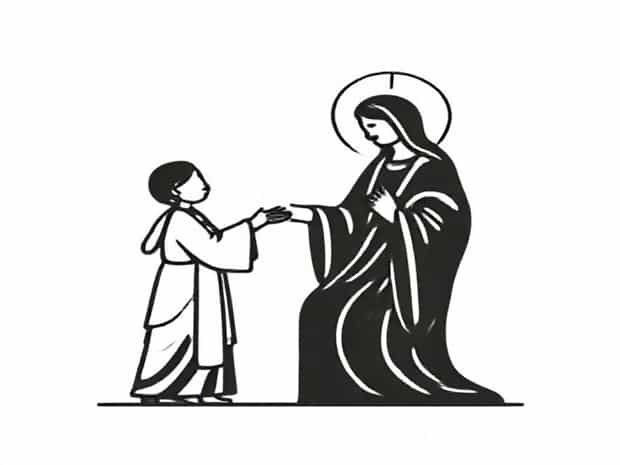
The act of blessing someone is a practice that carries deep spiritual and emotional significance across many cultures and religions. Blessings are often associated with invoking divine favor, protection, or guidance over another person’s life. While traditionally performed by clergy or spiritual leaders, many people wonder whether a layperson someone without formal religious ordination can also bless another individual. Understanding the principles behind blessings, the intent of the person giving it, and the context in which it occurs can help clarify this question for anyone seeking to offer or receive a blessing.
Understanding the Concept of Blessing
A blessing is generally understood as a positive invocation or expression of goodwill, often asking for divine support, protection, or guidance for another person. Blessings can take various forms, including spoken words, written notes, gestures, or even symbolic acts. The concept of blessing is universal, appearing in Christian, Jewish, Islamic, Hindu, Buddhist, and other religious traditions. In essence, it represents a conscious wish for good, health, peace, and spiritual prosperity.
The Role of Intention
One key factor that determines whether a layperson can bless someone is the intention behind the blessing. Unlike formal sacraments or rituals that require a specific religious authority, a blessing is often considered powerful because of the sincerity and positive energy of the person offering it. When a layperson blesses someone with genuine love, compassion, and hope for their well-being, many spiritual traditions believe that the blessing carries weight and can have a meaningful impact.
Blessings in Daily Life
Laypeople can give blessings in many everyday situations. Examples include wishing someone success before a big exam, offering protection for a loved one traveling, or praying for someone’s health during illness. Even simple phrases like May you be safe and happy” or “May your path be filled with light” can function as blessings when spoken with genuine care and attention. These blessings can create a sense of connection and emotional support that is valuable in both personal and community contexts.
Religious Perspectives on Layperson Blessings
Different religious traditions offer varying guidance on who can bless someone and under what circumstances. Understanding these perspectives can help clarify the boundaries and possibilities for laypeople.
Christianity
In many Christian denominations, ordained clergy are often associated with formal blessings, such as the blessing of sacraments or liturgical events. However, the Bible contains numerous references to blessings given by ordinary people. For example, the apostle Paul frequently encouraged believers to bless one another. Christians often believe that anyone with faith and sincere intention can offer blessings, whether through prayer, laying on of hands, or spoken words. The focus is on invoking God’s favor rather than the status of the person giving the blessing.
Judaism
In Judaism, blessings (or “berakhot”) are commonly recited over various aspects of daily life, such as food, holidays, or significant events. While certain ritual blessings may require a rabbi, many everyday blessings can be offered by laypeople. A parent blessing a child on Shabbat or a friend wishing another well before a journey are examples of layperson blessings recognized as meaningful and spiritually significant.
Islam
In Islam, blessings often involve invoking Allah’s mercy and protection, such as saying “May Allah bless you” or “Peace be upon you.” While religious leaders can provide formal blessings during ceremonies or prayers, everyday blessings are widely given by laypersons. The intention and sincerity of the person offering the blessing are considered important for it to carry spiritual significance.
Methods for a Layperson to Bless Someone
There are various ways a layperson can bless another individual, depending on cultural context, religious tradition, or personal practice. Here are some common methods
- Spoken BlessingsUsing words of goodwill, such as prayers, affirmations, or wishes for health, success, or peace.
- Laying on of HandsPlacing hands on someone gently while offering positive intentions or silent prayers.
- Symbolic GesturesLighting a candle, giving a small token, or performing an action that represents protection or guidance.
- Written BlessingsWriting a note or message expressing hopes and prayers for the person’s well-being.
The Power of Presence
One aspect often overlooked in the act of blessing is the presence and attention of the person giving it. Simply being mindful and fully present while intending good for another person can amplify the effect of a blessing. Many spiritual teachers emphasize that blessings are less about formal rituals and more about conscious, loving intention that connects the giver, the recipient, and the divine or universal energy.
Benefits of Receiving a Layperson Blessing
Receiving a blessing from a layperson can have numerous psychological, emotional, and spiritual benefits. Blessings can provide comfort, hope, and a sense of being supported, particularly during difficult times. They may also strengthen bonds between friends, family members, or community members. While the effect may not be identical to a formal religious blessing, the emotional and spiritual encouragement offered can still be profound.
Encouraging Community and Connection
Layperson blessings also promote a sense of community and mutual care. In religious and secular settings alike, offering blessings helps build trust, empathy, and shared positive energy. Whether in small gatherings, workplaces, or family circles, these acts of goodwill foster stronger interpersonal relationships and contribute to overall well-being.
a layperson can indeed bless someone, provided the intention is sincere and positive. While formal religious rituals may require ordained leaders, blessings in everyday life are accessible to everyone. Spoken words, gestures, prayers, and even written messages can serve as powerful vehicles for blessing when offered with love and care. Understanding the spiritual and emotional significance of blessings allows laypeople to participate meaningfully in a practice that nurtures both the giver and the recipient. Ultimately, the act of blessing demonstrates that anyone, regardless of religious title, can contribute to the well-being and upliftment of others through mindful intention and heartfelt expression.