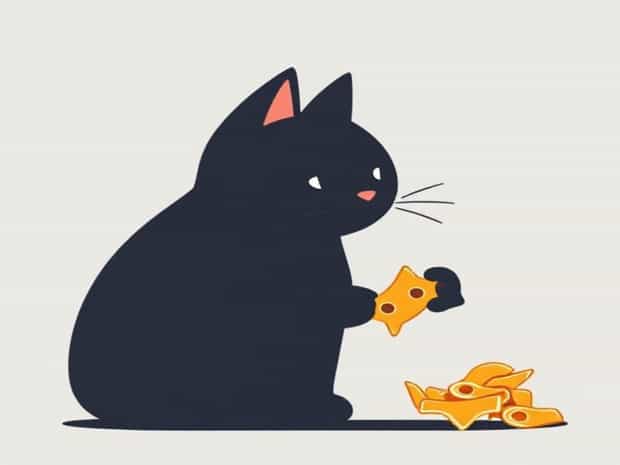
Cats are curious creatures, and their fascination with human food often leads owners to wonder what is safe for them to eat. One common snack in many households is Goldfish crackers, a baked snack made primarily from wheat, cheese, and salt. Pet owners may notice their cats showing interest in these crunchy treats and naturally ask whether it is safe to share them. While Goldfish crackers are not toxic to cats, there are several important factors to consider before offering them as a snack, including nutritional content, potential health risks, and appropriate portion sizes.
What Are Goldfish Crackers?
Goldfish crackers are bite-sized snacks that come in various flavors, with cheddar being the most popular. They are made with ingredients such as enriched wheat flour, cheddar cheese, vegetable oils, and salt. While these ingredients are generally safe for human consumption, they are not specifically formulated to meet the dietary needs of cats. Cats are obligate carnivores, meaning their bodies require nutrients found primarily in animal tissues, including taurine, arachidonic acid, and certain vitamins.
Are Goldfish Crackers Safe for Cats?
Feeding a cat a small piece of Goldfish cracker on rare occasions is unlikely to cause immediate harm. The ingredients themselves are not toxic, and a tiny amount may serve as an occasional treat. However, there are several reasons why these crackers should not be a regular part of a cat’s diet
- High Salt ContentCats have a lower tolerance for sodium than humans. Excessive salt can lead to dehydration, kidney issues, or increased blood pressure over time.
- Low Nutritional ValueGoldfish crackers do not provide the protein or essential nutrients that cats need for optimal health. Frequent consumption could lead to nutrient deficiencies.
- Added Oils and FlavorsSome flavors of Goldfish crackers contain additional seasonings, oils, or preservatives that could upset a cat’s stomach.
Potential Health Risks
While a single Goldfish cracker is unlikely to harm a cat, repeated or excessive feeding can pose health risks. Cats that consume too many human snacks may develop obesity, digestive problems, or even more severe conditions such as urinary tract issues due to high sodium intake. Additionally, the carbohydrate content in crackers is not ideal for cats, whose natural diet consists mostly of protein and fat. Over time, regular exposure to non-cat foods can affect overall health and well-being.
Symptoms of Overconsumption
If a cat consumes too many Goldfish crackers or other high-sodium snacks, owners should watch for the following signs
- Vomiting or diarrhea
- Excessive thirst or urination
- Lethargy or unusual fatigue
- Swelling or bloating
These symptoms may indicate that the cat’s body is struggling to process the excess salt and carbohydrates. If such symptoms occur, it is important to consult a veterinarian promptly.
Alternatives to Goldfish Crackers
Instead of offering human snacks like Goldfish crackers, consider healthier alternatives that cater to a cat’s nutritional needs
- Commercial Cat TreatsSpecifically formulated treats provide protein, taurine, and other essential nutrients while still satisfying the desire for a crunchy snack.
- Cooked Meat or FishSmall pieces of cooked chicken, turkey, or fish can be an excellent high-protein treat that aligns with a cat’s natural diet.
- Freeze-Dried Cat SnacksFreeze-dried meat or fish treats are convenient and safe for occasional feeding.
These options not only reduce the risk of health issues but also support a cat’s overall growth, development, and long-term health.
How to Safely Offer Human Snacks
If you choose to give your cat a tiny piece of Goldfish cracker, follow these guidelines to minimize risk
- Limit to one or two small pieces occasionally, rather than making it a routine treat.
- Monitor your cat for any signs of digestive upset or unusual behavior.
- Ensure that your cat’s regular diet remains nutritionally balanced with appropriate cat food.
- Avoid flavored varieties that contain garlic, onion, or other seasonings that are toxic to cats.
Understanding Cat Dietary Needs
To appreciate why Goldfish crackers are not ideal for cats, it is important to understand feline dietary requirements. Cats need high-quality animal protein as their primary energy source. They also require specific amino acids like taurine, which are essential for heart and eye health. Carbohydrates, which are abundant in Goldfish crackers, are not a necessary part of a cat’s diet and can contribute to obesity and diabetes if consumed in excess. Furthermore, cats require essential fatty acids and vitamins, which human snacks rarely provide in the correct balance.
Long-Term Considerations
Occasional indulgence in safe human foods may not cause immediate harm, but long-term exposure to inappropriate snacks can lead to chronic health problems. Maintaining a diet focused on feline nutrition ensures your cat’s immune system, digestive health, and energy levels remain optimal. It also reduces the risk of developing obesity-related complications such as joint problems, heart disease, and diabetes.
In summary, while cats can technically eat Goldfish crackers without immediate toxicity, they should only be given in very small amounts and as a rare treat. The high salt content, low nutritional value, and added seasonings make these crackers unsuitable for regular consumption. Instead, owners should focus on cat-specific treats and high-quality protein sources to meet their pets’ dietary needs. By understanding the potential risks and opting for healthier alternatives, pet owners can ensure that their cats remain happy, healthy, and well-nourished. Responsible feeding and awareness of feline nutritional requirements are key to providing a safe environment where cats can enjoy treats without compromising their long-term well-being.