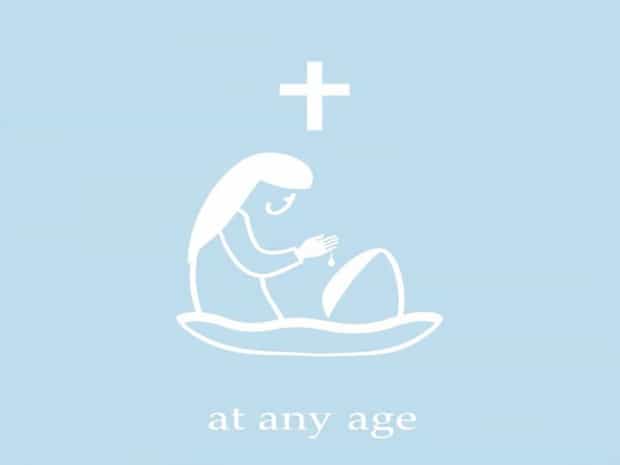
Baptism has long been seen as a sacred step in a person’s spiritual journey, symbolizing cleansing, rebirth, and belonging to a faith community. While many associate baptism with infants or young children, the truth is that people of almost any age can receive this sacrament or rite. Across different Christian traditions, there are unique practices, but the central idea remains baptism is an open invitation, not limited by time. Understanding how and when someone can be baptized can help clarify its meaning and the opportunities available for people at every stage of life.
Understanding the Purpose of Baptism
Baptism is considered one of the most important rites in Christianity. It represents purification from sin, spiritual renewal, and entrance into the church. For some, it is also a public declaration of faith. Whether performed by sprinkling water, pouring, or full immersion, the act is deeply symbolic and rooted in scripture and tradition.
Biblical Foundations
In the Bible, baptism is presented as a way to signify repentance and new life. Jesus himself was baptized by John in the Jordan River, setting an example for believers. The early Christian communities welcomed converts of all ages, showing that baptism was not reserved for a single stage of life.
Infant Baptism
In many denominations, infant baptism is common. Parents bring their babies to be baptized as a sign of God’s grace and as a way to include the child in the faith community from the very beginning. Churches such as Roman Catholic, Anglican, Orthodox, and some Lutheran congregations encourage baptism soon after birth, believing that even the youngest can receive spiritual blessings through this sacrament.
Why Parents Choose Early Baptism
- To dedicate their child to God early in life.
- To affirm the importance of faith within the family.
- To introduce the child into a supportive church community.
- To seek divine protection and guidance for their child’s future.
Baptism for Children and Teens
Older children and teenagers can also be baptized. Many churches hold special classes or preparation programs to help them understand the meaning of baptism before taking the step. This process often combines spiritual instruction with encouragement, allowing young people to make a thoughtful and personal decision about their faith.
Preparation for Young People
Classes often cover topics such as the story of Jesus, the significance of baptism, and the responsibilities of living a Christian life. After completing these lessons, children or teens may choose to be baptized during a worship service or special ceremony, sometimes alongside friends or siblings.
Adult Baptism
One of the most powerful aspects of baptism is that adults can take part at any age. Whether someone has recently come to faith, is rediscovering spirituality, or simply never had the chance before, baptism is open to them. Many churches celebrate adult baptisms with great joy, often emphasizing personal testimony and commitment.
Common Reasons Adults Seek Baptism
- They were not raised in a faith tradition but have found belief later in life.
- They belong to a church that practices believer’s baptism, meaning they must decide for themselves.
- They want to renew their relationship with God after a period of distance.
- They seek a fresh start and spiritual cleansing.
Baptism Across Christian Traditions
Different Christian groups have varying guidelines about when baptism should happen. Some emphasize infant baptism, while others, like many Baptist or Evangelical churches, focus on believer’s baptism, usually for older children or adults who can express their own faith. Despite these differences, most agree that there is no strict upper age limit.
Denominational Perspectives
- Catholic and OrthodoxEncourage baptism of infants but also baptize adults through a formal preparation process.
- Protestant MainlineAllow baptism for all ages, with classes or counseling for older candidates.
- Baptist and EvangelicalTypically practice baptism only when a person can declare their belief, often by immersion.
Special Circumstances
Baptism can also occur in special situations. Some people are baptized at hospitals, prisons, or during emergencies. Ministers, priests, or even laypeople (in urgent cases) can perform the rite when needed. These circumstances demonstrate that baptism is meant to be accessible whenever someone is ready to take that step.
Baptism Later in Life
It is not uncommon for people in their 50s, 60s, or even 80s to request baptism. For some, it is a lifelong goal they finally achieve. For others, it may be connected to personal growth, recovery, or a turning point in their lives. The ceremony often becomes a moving event, shared with family and friends who celebrate the person’s commitment and faith.
Steps to Take if You Want to Be Baptized
If you are considering baptism, the first step is to talk to a pastor, priest, or minister from your local church. They can guide you through requirements, classes, and scheduling. Some congregations offer group baptisms, while others hold private ceremonies depending on the candidate’s preference.
Typical Preparation
- Meet with a clergy member to discuss your faith journey and reasons for seeking baptism.
- Complete any recommended classes or counseling sessions.
- Select a date and invite family, friends, or sponsors to witness the event.
- Pray and reflect on the meaning of this important decision.
Symbolism and Ceremony
The ceremony itself varies, but water is always central. It represents purification and new life. Some churches use fonts or pools, while others perform baptisms outdoors in rivers or lakes. Music, prayers, and blessings often accompany the ritual, creating a memorable experience for both the person being baptized and those in attendance.
Community Support
Baptism is not just a private act but a celebration with others. Churches often welcome new members warmly, offering encouragement and opportunities to grow in faith. Support from a community can make the experience even more meaningful, helping the newly baptized live out their commitments.
Benefits Beyond the Moment
Baptism carries lasting spiritual and emotional benefits. It provides a sense of belonging, renewal, and clarity about one’s purpose. Many describe feeling peaceful and uplifted after baptism, inspired to continue learning and serving. It also connects believers to a tradition shared by Christians worldwide for centuries.
A Lifelong Reminder
For many, baptism serves as a constant reminder of their faith and values. Whether the event happened in childhood or adulthood, it marks a beginning that shapes how they live, make decisions, and relate to others. Its meaning often deepens over time, growing alongside the believer’s own journey.
The question of whether you can get baptized at any age has a clear answer yes. Baptism is open to infants, children, teenagers, adults, and seniors alike. Its purpose transcends age, focusing instead on the heart’s readiness and the significance of joining a faith community. Whether done quietly or as part of a large celebration, baptism offers a powerful opportunity for renewal, belonging, and spiritual growth at any stage of life.