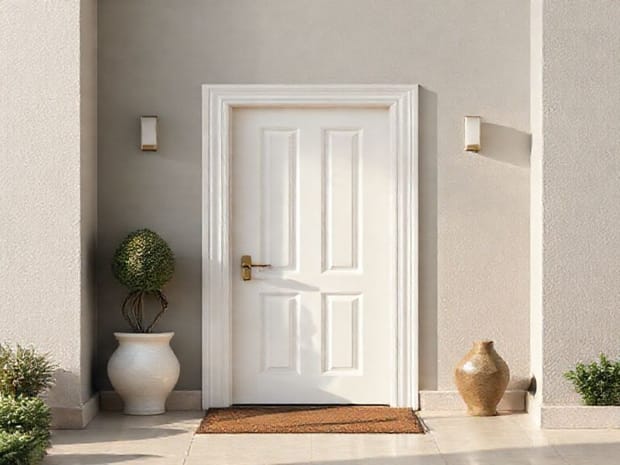
The phrase I would rather be a doorkeeper in your house” conveys a profound sense of humility, devotion, and the desire to be close to what is sacred, even in the humblest capacity. It reflects an attitude of prioritizing spiritual intimacy over status, wealth, or personal comfort. The statement has been interpreted in both religious and metaphorical contexts, emphasizing that the value of proximity to goodness, righteousness, or divine presence outweighs worldly achievements. Exploring the meaning of this phrase allows us to understand its spiritual significance, practical application, and relevance in everyday life.
Biblical Origin and Context
This expression originates from the Bible, specifically Psalm 8410, where the psalmist declares, “I would rather be a doorkeeper in the house of my God than dwell in the tents of wickedness.” In this context, the psalmist contrasts living in a place of divine presence, even in a lowly position, with residing in comfort among those who reject righteousness. The metaphor of a doorkeeper symbolizes service, vigilance, and dedication, highlighting that spiritual proximity and participation in sacred duties hold more value than earthly wealth or power.
Spiritual Meaning
Spiritually, the phrase emphasizes humility and devotion. A doorkeeper is not the master of the house but serves a crucial role, ensuring the sanctity, security, and proper functioning of the household. By expressing a desire to serve in such a position, the psalmist conveys a willingness to accept modesty, responsibility, and service in order to remain close to God. This attitude reflects a prioritization of spiritual growth and connection over personal gain or recognition.
Lessons in Humility and Service
The phrase teaches valuable lessons about humility. It suggests that true fulfillment comes not from high status or material comfort but from meaningful engagement in service and devotion. The doorkeeper’s role, though modest, is essential for the house to function smoothly, symbolizing the importance of every position, no matter how small, in contributing to a greater purpose. This perspective encourages individuals to value service and dedication as virtuous and rewarding, rather than seeking only positions of prominence or influence.
Service as a Path to Fulfillment
Being a doorkeeper represents a commitment to serving others faithfully. In spiritual life, this can translate to acts of kindness, mentorship, volunteer work, or guidance within a community. The underlying principle is that fulfilling a role with integrity and devotion carries intrinsic reward, even if it lacks public recognition. This mindset encourages people to focus on meaningful contributions rather than societal approval or superficial success.
Metaphorical Applications in Daily Life
Beyond the religious context, the phrase can be interpreted metaphorically in everyday life. It suggests that being close to positive influences, ethical communities, or personal ideals, even in a humble capacity, is more fulfilling than occupying positions of comfort or luxury in unprincipled or harmful environments. For instance, one might prefer to work in a modest role at a company with strong values rather than hold a high-paying position in a corrupt organization. This metaphor underscores the principle that integrity and alignment with core values outweigh material gain or status.
Practical Examples
- Career ChoicesChoosing meaningful work over high-paying but ethically compromising jobs.
- Community EngagementVolunteering in modest roles to contribute to community welfare rather than seeking recognition.
- Personal RelationshipsBeing supportive in the background rather than dominating social situations for attention.
- Education and MentorshipGuiding and teaching others in small ways, appreciating the impact of subtle influence.
Psychological and Emotional Insights
The desire to be a doorkeeper also reflects emotional maturity and psychological insight. It demonstrates self-awareness, recognizing that fulfillment comes from connection, purpose, and ethical engagement rather than external validation. Accepting a humble role requires emotional resilience, patience, and a long-term perspective on value and meaning. This attitude promotes inner peace and contentment, fostering satisfaction through contribution and purpose rather than competition or comparison.
Overcoming Ego and Ambition
Choosing the position of a doorkeeper over more glamorous roles illustrates the ability to overcome ego and unchecked ambition. It highlights the importance of aligning actions with values, rather than pursuing power or status for its own sake. By prioritizing closeness to what one deems sacred or valuable, individuals cultivate humility, discipline, and integrity. This perspective can guide life decisions, helping to balance ambition with ethical and spiritual considerations.
Community and Leadership Implications
In organizational or community settings, the metaphor has implications for leadership and teamwork. Every role, including seemingly modest positions, contributes to the success and well-being of the group. Recognizing the value of supportive roles encourages respect, collaboration, and appreciation for the collective effort. Leaders who embrace this perspective are more likely to foster inclusive environments where every contribution is acknowledged and valued, emphasizing that fulfillment is often found in service rather than authority alone.
Encouraging Participation and Dedication
The principle of the doorkeeper encourages people to step forward in service, regardless of the scale of their role. Communities thrive when individuals accept responsibilities with dedication and humility. Whether in volunteer work, professional settings, or spiritual practice, the willingness to serve faithfully creates stronger, more resilient organizations and nurtures a culture of mutual respect and shared purpose.
Lessons in Spiritual and Moral Prioritization
The phrase also teaches lessons about prioritization in life. It emphasizes that being close to goodness, moral integrity, or spiritual truth is more valuable than wealth, recognition, or comfort. This principle applies to decisions about career, relationships, and personal conduct. It encourages evaluating opportunities based on alignment with values rather than superficial appeal, guiding individuals toward meaningful engagement and long-term satisfaction.
Reflection and Personal Growth
By internalizing the message of I would rather be a doorkeeper in your house, individuals cultivate reflection and personal growth. It fosters humility, patience, and a focus on purpose-driven action. People are reminded to measure success not solely by external markers but by the depth of their contribution and proximity to what they consider sacred or meaningful. This reflection can enhance spiritual development, emotional intelligence, and ethical decision-making.
The statement I would rather be a doorkeeper in your house holds enduring significance in spiritual, ethical, and practical contexts. It conveys humility, devotion, and the recognition that closeness to goodness, righteousness, or spiritual presence is more valuable than worldly status or material wealth. It encourages prioritizing meaningful service, ethical alignment, and purposeful contribution, reminding individuals that fulfillment often comes from the quality of engagement rather than recognition or reward.
In daily life, the metaphor applies broadly, encouraging choices that align with personal values, ethical principles, and spiritual commitments. It highlights the importance of humble roles in creating functional, supportive, and morally sound communities. Whether in spiritual devotion, professional endeavors, or personal relationships, adopting the mindset of the doorkeeper cultivates integrity, patience, and a deep sense of purpose.
Ultimately, the desire to be a doorkeeper reflects a timeless lesson true fulfillment and proximity to what is meaningful are found in service, humility, and ethical dedication. By embracing this perspective, individuals can navigate life with a sense of purpose, contributing meaningfully to the communities, organizations, and spiritual spaces they inhabit, while prioritizing what truly matters over superficial success or comfort.