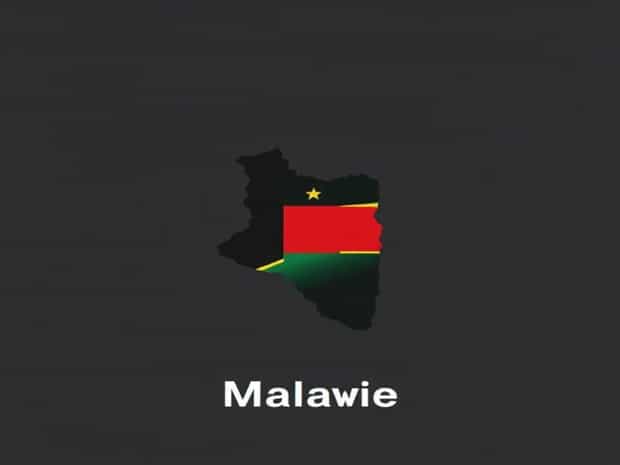
Malawi is a country located in southeastern Africa, known for its breathtaking landscapes, friendly people, and vibrant culture. Despite its relatively small size compared to other African nations, Malawi holds a significant place on the continent due to its unique geography, historical importance, and political development. Often called The Warm Heart of Africa,” Malawi attracts travelers and researchers alike with its scenic lakes, rolling hills, and national parks. Understanding Malawi’s status as a country involves looking into its history, geography, governance, culture, and economy, which together paint a comprehensive picture of this fascinating nation.
Geographical Overview of Malawi
Malawi is a landlocked country bordered by Tanzania to the north, Zambia to the west, and Mozambique surrounding its eastern, southern, and western boundaries. Its most famous geographical feature is Lake Malawi, which stretches along the eastern border and is one of the largest lakes in Africa. The country’s terrain is a mix of highlands, plateaus, and river valleys, offering diverse ecosystems that support both agriculture and wildlife. The Shire River, a major waterway, flows from the southern end of Lake Malawi and provides an essential resource for transportation and hydroelectric power.
Climate and Natural Features
The climate in Malawi is mostly tropical, with a rainy season from November to April and a dry season from May to October. The country’s varied landscape results in microclimates across different regions. For example, the highland areas experience cooler temperatures, while lowland regions near Lake Malawi can be significantly warmer. The natural beauty of Malawi, from its mountains to its lake shores, has also made it a growing destination for eco-tourism.
Historical Background
Malawi’s history dates back thousands of years, with evidence of early human settlements and Bantu-speaking peoples populating the region. European explorers, such as David Livingstone, arrived in the 19th century, bringing global attention to the area. The country later became part of the British Protectorate of Nyasaland and remained under colonial rule until it gained independence on July 6, 1964. After independence, Malawi became a republic with Hastings Kamuzu Banda as its first president, establishing a strong central government that lasted for decades.
Colonial Era and Independence
- Before independence, the territory was known as Nyasaland under British rule.
- Colonial administration focused on agriculture and trade, primarily in cash crops like tobacco and tea.
- Independence was achieved in 1964, marking Malawi’s official status as a sovereign country.
Political Structure and Governance
Malawi is officially known as the Republic of Malawi and operates under a democratic government with a president serving as both head of state and government. The nation has a multi-party system, with elections held regularly to choose representatives in the National Assembly. Malawi’s governance emphasizes decentralization, giving local governments more authority to manage resources and public services. Over the years, Malawi has seen peaceful transitions of power, further solidifying its status as a recognized country on the international stage.
International Recognition
Malawi is a member of the United Nations, the African Union, and the Southern African Development Community. Its membership in these organizations confirms its recognition as a sovereign nation globally. Diplomatic relations with numerous countries also enhance Malawi’s international presence, supporting trade, education, and cultural exchanges.
Demographics and Culture
Malawi is home to approximately 20 million people, with a rich cultural heritage that includes various ethnic groups such as the Chewa, Yao, and Tumbuka. English and Chichewa are the official languages, used in government, education, and media. Traditional customs, music, and dance play an important role in everyday life, reflecting the diverse influences that have shaped Malawian society. Festivals and cultural events often highlight local craftsmanship, storytelling, and culinary traditions.
Religion and Traditions
- Christianity is the dominant religion, with a significant number of Muslims and indigenous beliefs.
- Traditional ceremonies often mark important life events such as births, marriages, and harvest seasons.
- Music, particularly the use of drums and traditional dances, is integral to cultural expression.
Economy and Development
Malawi’s economy is largely based on agriculture, with smallholder farming being the main source of income for the majority of the population. Key crops include tobacco, tea, sugarcane, and maize. The government has invested in infrastructure, education, and healthcare to improve living standards, but the country still faces challenges such as poverty and limited access to modern technology. Tourism, especially eco-tourism around Lake Malawi and national parks, has become an increasingly important sector.
Trade and Industry
- Exports focus on agricultural products, including tobacco, tea, and sugar.
- Efforts are underway to diversify the economy with manufacturing and services.
- International aid and investment play a crucial role in economic development.
Education and Healthcare
Malawi has made strides in improving education and healthcare, although challenges remain. Primary education is widely accessible, while secondary and higher education opportunities are expanding gradually. Healthcare facilities are improving, but rural areas often face shortages of medical professionals and supplies. International partnerships and government initiatives continue to focus on building a sustainable system to support the population.
Progress and Challenges
- Increasing literacy rates among children and adults.
- Programs targeting maternal and child health to reduce mortality rates.
- Efforts to improve infrastructure, including clean water and sanitation.
Tourism and Natural Attractions
Tourism in Malawi has grown steadily, thanks to the country’s stunning landscapes and biodiversity. Lake Malawi, national parks like Liwonde and Nyika, and cultural sites attract visitors from around the world. The tourism sector not only provides economic benefits but also promotes conservation and awareness of Malawi’s natural heritage. Activities such as hiking, boating, and wildlife viewing offer unique experiences for travelers seeking adventure and cultural immersion.
Key Attractions
- Lake Malawi – known for its clear waters and sandy beaches.
- Nyika National Park – offers rolling grasslands and abundant wildlife.
- Liwonde National Park – famous for elephants, hippos, and birdwatching.
Malawi is undeniably a country with defined borders, a recognized government, and a rich cultural and natural heritage. Its official status is affirmed by international recognition, democratic governance, and participation in global organizations. Understanding Malawi as a country involves appreciating its geography, history, people, economy, and natural beauty. From the bustling cities to the serene shores of Lake Malawi, this nation offers a unique blend of tradition and modernity, making it a noteworthy and vibrant part of the African continent.