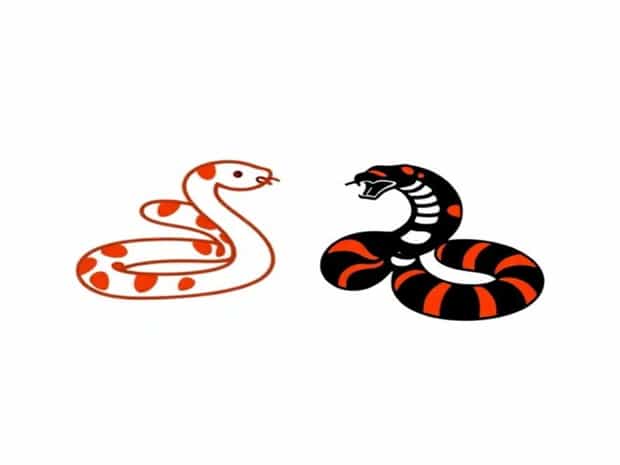
The comparison between milk snakes and copperheads often arises due to their similar color patterns and habitats, yet these two species differ significantly in behavior, venom, and ecological roles. Milk snakes, non-venomous and generally harmless to humans, are often mistaken for copperheads, which are venomous pit vipers with distinctive triangular heads. Understanding the differences between milk snakes and copperheads is crucial for both wildlife enthusiasts and individuals living in regions where these snakes coexist. Proper identification helps prevent unnecessary fear, promotes safety, and supports conservation efforts for these fascinating reptiles.
Overview of Milk Snakes
Milk snakes, belonging to the genusLampropeltis, are non-venomous snakes found throughout North and Central America. They are known for their striking banded patterns, typically featuring red, black, and white or yellow rings. Despite their resemblance to venomous snakes like coral snakes and copperheads, milk snakes pose no threat to humans. They are constrictors, meaning they subdue their prey by coiling around it rather than using venom.
Physical Characteristics of Milk Snakes
Milk snakes usually range from 24 to 48 inches in length, with slender bodies that facilitate movement through various habitats. Their coloration and banding patterns serve as a form of mimicry, helping deter potential predators by imitating the appearance of venomous species. The red bands of milk snakes are bordered by black bands, and the patterns can vary depending on the subspecies. Their heads are typically small and rounded, lacking the distinct triangular shape found in pit vipers.
Behavior and Diet
Milk snakes are primarily nocturnal, though they may be active during the day in cooler weather. They feed on small mammals, birds, eggs, amphibians, and other reptiles, using constriction to subdue their prey. These snakes are generally docile and prefer to flee rather than confront threats. When threatened, they may vibrate their tails or mimic rattlesnake behavior to appear more dangerous, further enhancing their protective mimicry.
Overview of Copperheads
Copperheads, scientifically known asAgkistrodon contortrix, are venomous snakes native to North America. They are members of the pit viper family and possess heat-sensing pits that aid in detecting prey. Copperheads are well-known for their distinctive copper-colored heads, hourglass-shaped patterns on their bodies, and relatively stout build. Unlike milk snakes, copperheads are venomous, though their bites are rarely fatal to humans. They are ambush predators, relying on camouflage and patience to capture prey efficiently.
Physical Characteristics of Copperheads
Copperheads typically range from 24 to 36 inches in length, with thick, muscular bodies adapted for short bursts of speed. Their coloration blends well with leaf litter and forest floors, making them difficult to spot. The head is distinctly triangular, broader than the neck, and features a coppery-red hue. Their pupils are elliptical, similar to cat eyes, distinguishing them from the round pupils of non-venomous snakes like milk snakes.
Behavior and Diet
Copperheads are primarily nocturnal during hot months and crepuscular in cooler seasons. They feed on rodents, amphibians, small birds, and insects, employing venom to immobilize and pre-digest their prey. Copperheads are generally shy and avoid confrontation, but they can strike if threatened or accidentally provoked. Their venom, while rarely fatal to humans, causes pain, swelling, and tissue damage, making accurate identification essential for safety.
Key Differences Between Milk Snakes and Copperheads
Although milk snakes and copperheads may appear similar at a glance, several key differences can help distinguish them in the wild. Proper identification is crucial to prevent misidentification, unnecessary fear, or unsafe handling.
Coloration and Pattern
- Milk SnakesRed, black, and white or yellow bands. Red bands are typically bordered by black.
- CopperheadsTan or light brown base with dark, hourglass-shaped crossbands. Copper-colored head is prominent.
Head Shape
- Milk SnakesSmall, rounded head that blends with the body.
- CopperheadsBroad, triangular head that is distinct from the neck.
Venom and Threat Level
- Milk SnakesNon-venomous; harmless to humans.
- CopperheadsVenomous; bite can cause pain and medical complications, though rarely fatal.
Pupils and Eyes
- Milk SnakesRound pupils.
- CopperheadsElliptical, cat-like pupils.
Habitat and Distribution
Both milk snakes and copperheads inhabit overlapping regions in the eastern and central United States, though their specific habitat preferences differ. Milk snakes are highly adaptable, found in forests, fields, rocky areas, and even urban environments. Copperheads prefer forested areas, rocky hillsides, and regions with ample leaf litter for camouflage. Understanding their habitat preferences can aid in identification and help humans coexist safely with these snakes.
Importance in Ecosystems
Both milk snakes and copperheads play crucial roles in their ecosystems by controlling populations of rodents and other small animals. Milk snakes, as non-venomous predators, help keep pest populations in check without posing a threat to humans. Copperheads, as venomous predators, help maintain the balance of prey species while also serving as indicators of healthy forest ecosystems. Protecting both species is important for maintaining biodiversity and ecological stability.
Safety and Human Interaction
Understanding the differences between milk snakes and copperheads is critical for safe human interaction. Milk snakes are safe to handle, though they may bite defensively. Copperheads, on the other hand, should never be handled without professional expertise. Wearing protective footwear, watching your step in areas with tall grass or leaf litter, and educating children about snake identification are effective ways to prevent snake bites and promote coexistence with wildlife.
First Aid for Snake Bites
If bitten by a copperhead, it is important to remain calm, immobilize the affected limb, and seek immediate medical attention. Avoid cutting the wound, attempting to suck out venom, or applying ice directly. Prompt medical care ensures the best outcome and minimizes complications from venom effects.
Milk snakes and copperheads, while superficially similar in appearance, differ greatly in behavior, venom, and ecological roles. Milk snakes are non-venomous, harmless, and beneficial predators, while copperheads are venomous pit vipers that require cautious respect. Recognizing differences in coloration, head shape, pupil type, and behavior allows for safe interaction and appreciation of these snakes. Both species contribute significantly to their ecosystems by controlling prey populations, and understanding their characteristics promotes conservation and coexistence. Educating the public about the distinctions between milk snakes and copperheads ensures safety, reduces unnecessary fear, and fosters a greater appreciation for the diversity and complexity of snake species in North America.