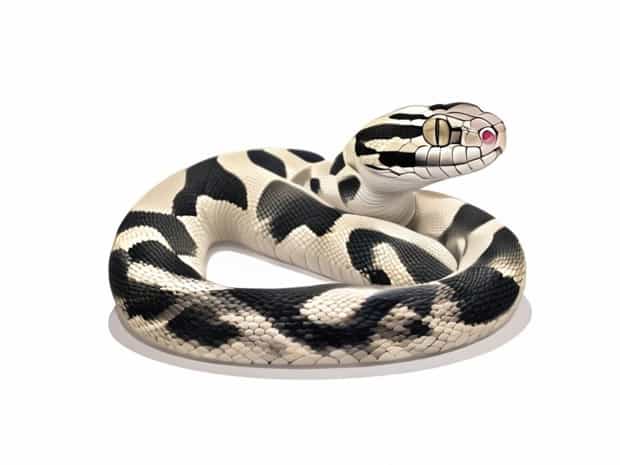
The Mojave Piebald Ball Python is one of the most sought-after morphs in the reptile-keeping community, admired for its striking color patterns, friendly temperament, and relatively manageable size. These snakes combine the unique traits of the Mojave morph with the distinctive piebald pattern, creating a visually captivating animal that appeals to both beginners and experienced herpetologists. Understanding the characteristics, care requirements, and breeding possibilities of the Mojave Piebald Ball Python can help enthusiasts provide the best environment for these fascinating reptiles while also appreciating their beauty and uniqueness.
Overview of the Mojave Piebald Ball Python
The Mojave Piebald Ball Python is a hybrid morph, combining the Mojave and piebald genes. The Mojave gene is known for its rich, deep coloration with dark brown and black patterns, often accompanied by a characteristic sugar pattern along the body. The piebald gene introduces patches of unpigmented white scales, creating a bold contrast against the darker background of the snake. This combination results in a visually striking pattern that is highly prized among ball python collectors.
Appearance and Coloration
Mojave Piebald Ball Pythons typically have a base color ranging from light tan to deep brown, overlaid with irregular black markings. The piebald patches are irregular in shape and size, often appearing on different parts of the body, giving each snake a unique appearance. Some individuals may exhibit more white than dark scales, while others have smaller, more dispersed piebald areas. The Mojave influence enhances the intensity of the dark markings, giving the snake a striking, high-contrast look that stands out among other ball python morphs.
Size and Lifespan
Adult Mojave Piebald Ball Pythons generally reach lengths between 4 to 5 feet, with females typically being larger than males. These snakes are considered medium-sized among ball python varieties, making them suitable for standard enclosures used for pet snakes. With proper care, they can live for 20 to 30 years, and in some cases even longer. Their longevity makes them a long-term commitment for owners who are prepared to meet their care requirements over decades.
Temperament and Handling
One of the reasons the Mojave Piebald Ball Python is popular among pet owners is its calm and docile nature. Like most ball pythons, they are generally easy to handle and rarely display aggressive behavior. They may initially be shy or defensive when first introduced to a new environment, but regular, gentle handling helps them become accustomed to human interaction. This temperament makes them suitable for both beginner reptile keepers and experienced enthusiasts who want a visually impressive, yet manageable pet snake.
Behavior Patterns
Mojave Piebald Ball Pythons are nocturnal, meaning they are most active during the night. During the day, they often hide in secure spots within their enclosure, which can include hides, under logs, or within artificial caves. Understanding their natural behaviors is crucial for providing an environment that reduces stress and encourages healthy activity levels. Providing a well-structured enclosure with hiding spots helps them feel secure, especially when adjusting to a new home.
Housing and Habitat Requirements
Creating a proper habitat is essential for maintaining the health and wellbeing of a Mojave Piebald Ball Python. Their enclosures should provide adequate space, temperature gradients, humidity control, and hiding areas to mimic natural conditions.
Enclosure Size
For a juvenile Mojave Piebald Ball Python, a 20-gallon terrarium is often sufficient. Adult snakes require at least a 40-gallon enclosure to move comfortably. Vertical space is less critical than horizontal space, as ball pythons are primarily terrestrial. However, some climbing opportunities can enrich their environment and provide mental stimulation.
Temperature and Lighting
Maintaining a proper temperature gradient is vital. The warm side of the enclosure should be between 88-92°F, while the cooler side should remain around 78-82°F. Nighttime temperatures can drop slightly but should not fall below 75°F. Heat can be provided via under-tank heaters, heat lamps, or ceramic heat emitters. Lighting is less critical for ball pythons, but a natural day-night cycle helps regulate their biological rhythms.
Humidity Requirements
Humidity levels should be kept between 50-60%, with slightly higher levels during shedding periods. Regular misting and the use of substrate that retains moisture, such as coconut husk or cypress mulch, can help maintain proper humidity. Proper humidity is essential for healthy shedding and overall respiratory health.
Substrate and Hides
Substrate should be easy to clean and safe for the snake, with options including aspen shavings, cypress mulch, or paper-based substrates. Provide at least two hiding spots one on the warm side and one on the cooler side of the enclosure to allow the snake to regulate its temperature while feeling secure. Hides should be snug enough for the snake to feel enclosed but not too tight to cause discomfort.
Feeding and Nutrition
Mojave Piebald Ball Pythons are carnivorous and primarily feed on rodents. Juveniles typically eat appropriately sized pinkie mice, while adults can consume larger rats. Feeding frequency varies with age; juveniles often eat once every 5-7 days, while adults may eat once every 7-14 days. Prey should be appropriately sized, usually no larger than the widest part of the snake’s body, to prevent regurgitation and other digestive issues.
Feeding Tips
- Offer pre-killed prey to reduce the risk of injury to the snake.
- Maintain a consistent feeding schedule to monitor appetite and health.
- Use feeding tongs to avoid accidental bites during feeding.
- Observe the snake for signs of stress or refusal to eat, which may indicate health issues.
Health and Common Issues
Like all reptiles, Mojave Piebald Ball Pythons are susceptible to certain health problems. Regular observation, proper habitat maintenance, and appropriate feeding practices help prevent many common issues.
Respiratory Infections
Respiratory infections can occur if humidity or temperature levels are improperly maintained. Symptoms include wheezing, mucus around the nostrils, and open-mouth breathing. Prompt veterinary care is essential if these symptoms appear.
Shedding Problems
Improper humidity can lead to incomplete or problematic shedding. Ensure adequate humidity and provide rough surfaces or branches to help the snake remove old skin.
Parasites and Mites
External parasites like mites can affect Mojave Piebald Ball Pythons. Regular inspection and quarantine of new snakes can prevent infestations. Treatment usually involves reptile-safe anti-parasitic products and thorough cleaning of the enclosure.
Breeding Mojave Piebald Ball Pythons
Breeding Mojave Piebald Ball Pythons combines two desirable genetic traits. Successful breeding requires healthy, mature snakes, appropriate temperature and humidity conditions, and careful monitoring of the female during the breeding season. The offspring often display a mix of the Mojave and piebald characteristics, resulting in visually stunning and highly sought-after morphs.
Breeding Considerations
- Ensure both male and female are of breeding age and healthy condition.
- Maintain optimal environmental conditions to encourage natural breeding behavior.
- Monitor females closely for signs of stress or health complications during egg-laying.
- Provide incubators for eggs with consistent temperature and humidity for successful hatching.
The Mojave Piebald Ball Python is a remarkable morph that combines beauty, personality, and manageability, making it a favorite among reptile enthusiasts. Understanding their appearance, behavior, habitat requirements, feeding, and health needs is essential for providing a thriving environment. Whether kept as a pet or bred for morphs, Mojave Piebald Ball Pythons offer an engaging and visually captivating experience for snake owners. With proper care, these snakes can live long, healthy lives, bringing joy and fascination to their owners for decades.