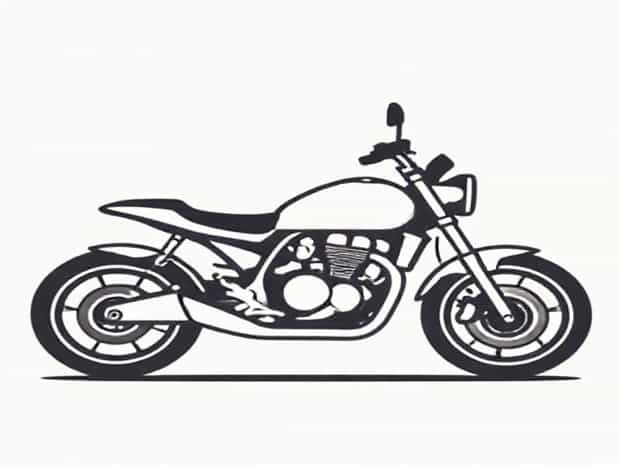
Motorcycle riders often seek ways to improve their riding skills, control, and efficiency, especially when navigating curves, traffic, or varying road conditions. One advanced technique that many riders explore is downshifting without using the clutch. While traditionally the clutch is used to disengage the engine from the transmission, experienced motorcyclists sometimes execute a downshift without it to maintain stability, save time, or achieve smoother transitions during aggressive riding. Understanding the mechanics, benefits, risks, and proper execution of clutchless downshifting is essential for anyone looking to expand their riding capabilities safely.
Understanding Motorcycle Downshifting
Downshifting involves shifting from a higher gear to a lower gear, typically to increase engine braking, improve acceleration, or maintain control during cornering. In conventional riding, the clutch lever is used to temporarily disconnect the engine from the gearbox, allowing a smooth gear change without causing damage to the transmission. Clutchless downshifting, however, relies on precise throttle control and timing to synchronize the engine speed with the lower gear, enabling a shift without using the clutch lever. Mastery of this technique requires knowledge of the motorcycle’s engine characteristics, gear ratios, and throttle response.
The Science Behind Clutchless Downshifting
Clutchless downshifting works on the principle of rev-matching. When a rider shifts to a lower gear without the clutch, the engine speed must increase to match the speed of the transmission for the new gear. This is achieved by briefly blipping the throttle, which raises the engine RPM to the level required for the lower gear. The timing must be precise to avoid harsh engagement, which can cause the rear wheel to skid or the transmission to experience excessive wear. By syncing engine and transmission speeds, clutchless downshifting allows for smoother deceleration while maintaining control of the motorcycle.
Steps to Perform a Clutchless Downshift
Executing a clutchless downshift safely requires practice, attention, and proper technique. Here are the general steps involved
1. Assess Speed and Gear
Before downshifting, determine the current speed and the gear you wish to shift into. Ensure the engine RPM is within a safe range for the lower gear to avoid over-revving. Proper assessment helps prevent mechanical stress and ensures the rear wheel maintains traction during the shift.
2. Close the Throttle
Momentarily close the throttle to reduce engine load. This creates a neutral state where the engine and transmission are easier to synchronize. Closing the throttle briefly is a crucial step to minimize abrupt changes and prevent shock loads on the gearbox.
3. Apply Pressure on the Shift Lever
While the throttle is closed, firmly but smoothly lift the gear shift lever to the lower gear. Do not rush the movement; precise timing is essential. The shift lever should feel smooth and click into place without forcing it, indicating that the gearbox is ready for engagement.
4. Blip the Throttle
Immediately after engaging the shift lever, quickly and briefly twist the throttle to raise engine RPM. This rev-matching compensates for the lower gear’s higher engine speed, allowing a seamless connection between the engine and transmission. The throttle blip must be timed precisely to avoid jerking or rear-wheel instability.
5. Smooth Acceleration and Control
Once the lower gear engages, gradually release any tension and continue riding while maintaining control. Smoothly applying throttle ensures that power is transferred evenly, preventing wheel hop, skidding, or mechanical damage. Practicing on a controlled environment, such as an empty parking lot, helps riders develop confidence and timing.
Benefits of Clutchless Downshifting
Clutchless downshifting offers several advantages for riders who understand and execute it properly
- Increased control during aggressive cornering and deceleration.
- Faster gear transitions in high-speed riding or racing scenarios.
- Reduced hand fatigue from less frequent clutch use.
- Smoother engine braking when properly rev-matched.
- Enhanced riding efficiency for experienced motorcyclists familiar with throttle and gear coordination.
Situations Where It Is Useful
Clutchless downshifting is particularly useful in the following scenarios
- Track riding or racing where rapid gear changes are required.
- Twisty or mountainous roads where frequent deceleration is needed.
- Emergency braking situations where maintaining control is critical.
- Reducing fatigue during long rides with frequent gear changes.
Risks and Considerations
While clutchless downshifting can be beneficial, it carries risks if not executed correctly. Potential hazards include
- Transmission damage due to improper rev-matching or abrupt engagement.
- Rear-wheel lock-up or skidding if engine RPM does not match the lower gear.
- Loss of stability, especially on slippery or uneven surfaces.
- Increased wear on gearbox components if practiced excessively without proper technique.
Safety Tips
To minimize risks, riders should consider the following tips
- Practice in a safe, controlled environment before applying the technique on public roads.
- Understand the specific engine and gearbox characteristics of your motorcycle.
- Maintain awareness of road conditions and traction levels.
- Use clutchless downshifting selectively, not as a default habit for all deceleration.
- Gradually build confidence and timing through repeated practice at low speeds.
Alternatives and Complementary Techniques
For riders seeking smoother downshifts, several complementary techniques can enhance control and safety
Using the Clutch
Traditional downshifting with the clutch remains the safest method, especially for beginners or in complex riding environments. Combining clutch use with rev-matching can provide optimal smoothness and reduce mechanical stress.
Engine Braking
Strategically using engine braking in conjunction with downshifting can reduce speed efficiently while maintaining traction and stability. Understanding when to downshift and when to rely on braking is key to safe riding.
Slip-Assist or Quick-Shifter Systems
Modern motorcycles often feature slip-assist clutches or quick-shifter systems that facilitate clutchless gear changes. These technologies reduce the risk of damage and make clutchless downshifting safer and more accessible for riders of all experience levels.
Motorcycle downshifting without using the clutch is an advanced technique that offers benefits in control, speed, and efficiency for experienced riders. By understanding rev-matching, precise throttle control, and gear synchronization, riders can execute smooth clutchless downshifts while maintaining stability and minimizing mechanical stress. However, this technique carries risks, including transmission damage and rear-wheel instability, if not performed correctly. Proper practice, awareness of road conditions, and knowledge of the motorcycle’s characteristics are essential for safe execution. While clutchless downshifting can enhance riding skill and efficiency, combining it with traditional clutch use, engine braking, and modern technological aids provides the most balanced approach for riders seeking control, safety, and performance.