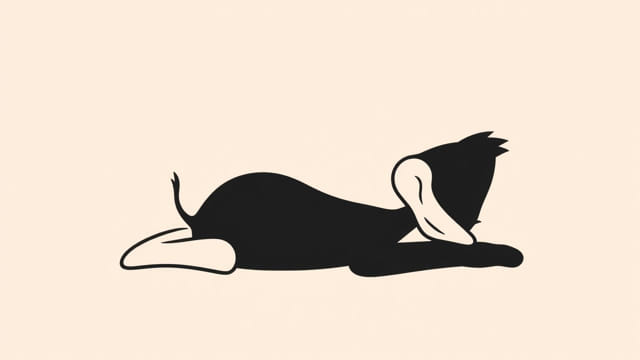
‘Daffy Duck Slept Here’ is a classic Warner Bros. cartoon that features the unforgettable Daffy Duck and his hilarious antics as a troublesome roommate. Released in 1948, this Looney Tunes short has remained popular among fans for decades due to its slapstick humor, dynamic animation, and the contrast between Daffy Duck’s manic energy and Porky Pig’s calm demeanor. The short is a standout example of post-war American animation and showcases the creativity of the animators and voice actors who helped shape Daffy’s iconic personality. With a blend of surreal comedy and traditional cartoon conflict, this episode remains a favorite for both older audiences and new generations discovering Daffy Duck’s legacy.
Background and Production
Director and Studio
‘Daffy Duck Slept Here’ was directed by Robert McKimson, a key figure in Warner Bros.’ animation department during the golden age of cartoons. McKimson was known for refining character personalities and bringing a distinctive animation style to Looney Tunes. The short was produced by Edward Selzer under the Warner Bros. Cartoons banner.
Voice Acting
As usual, Mel Blanc provided the voices for both Daffy Duck and Porky Pig. Blanc, famously known as The Man of a Thousand Voices, played a critical role in shaping the identity and charm of these characters. His vocal performance gave Daffy his iconic lisp and wild tone that became a hallmark of the character.
Release and Format
The cartoon was released theatrically on March 6, 1948. It was originally shown in Technicolor and had a runtime of approximately seven minutes. Like many Looney Tunes shorts of its time, it was screened in cinemas as a pre-feature cartoon, accompanying major film releases of the era.
Plot Summary
Setting the Stage
The cartoon opens with Porky Pig arriving in a city during a convention, seeking a hotel room for the night. However, every room is fully booked due to the event. Eventually, he finds a hotel that offers him a bed but with a twist. He must share the room with another guest: Daffy Duck.
The Conflict Begins
Daffy enters the scene full of energy and unpredictability. While Porky only wants a quiet night of sleep, Daffy is intent on talking, singing, playing games, and generally disturbing the peace. From bouncing on the bed to shouting nonsensical things in the dark, Daffy becomes a source of unending chaos.
Classic Daffy Humor
True to form, Daffy exhibits his trademark zaniness. He brings in an invisible kangaroo named ‘Hymie,’ who supposedly shares the room with them. This imaginary friend becomes another source of irritation for Porky, adding to the absurdity. The humor revolves around Daffy’s irrational behavior and Porky’s mounting frustration.
The Final Gag
In classic Looney Tunes fashion, the cartoon ends with a clever gag. Porky finally gets fed up and leaves the hotel, only for Daffy to casually fall asleep peacefully after causing all the trouble. The contrast between Daffy’s hyperactivity and sudden calm serves as the punchline that concludes the episode on a comedic note.
Thematic Elements
Contrast in Personality
The humor of ‘Daffy Duck Slept Here’ hinges on the contrast between Daffy’s hyperactive, carefree personality and Porky’s calm, polite demeanor. This odd couple dynamic is a common trope in comedy and is used to great effect here, with Daffy’s unpredictable actions disrupting Porky’s desire for peace and quiet.
Surrealism and Imagination
The inclusion of an invisible kangaroo highlights the surreal elements that were common in Looney Tunes cartoons. It blurs the line between reality and imagination, a hallmark of the cartoon’s comedic style. This also reflects Daffy’s eccentric and delusional nature, which adds depth to his character.
Post-War Humor
Released shortly after World War II, the cartoon reflects the lighthearted escapism that audiences craved during that time. The chaotic humor, exaggerated animation, and absurd dialogue provided a comedic release for viewers, making cartoons like this popular among all age groups.
Animation Style and Techniques
Visual Style
The animation features bold lines, expressive facial gestures, and exaggerated physical comedy typical of 1940s Warner Bros. cartoons. Backgrounds are stylized yet detailed, providing a believable hotel environment for the characters to interact in.
Timing and Motion
One of the strengths of the short is its impeccable comedic timing. Every movement and action from Daffy is perfectly paced to elicit laughs, whether it’s bouncing around the room or delivering a sarcastic line. The animators used squash and stretch techniques to emphasize physical gags, enhancing the cartoon’s humor.
Legacy and Cultural Impact
Daffy Duck’s Character Evolution
This cartoon is part of the era where Daffy was portrayed as more insane and wacky, a contrast to his later evolution into a more self-serving and greedy character. Fans of classic Daffy appreciate this version for its high-energy absurdity and comedic freedom.
Recurring Themes
The trope of an annoying roommate or unwanted guest has been used in many cartoons and sitcoms since. ‘Daffy Duck Slept Here’ helped set the standard for this type of comedy, influencing later works in animation and beyond.
Preservation and Home Media
Over the years, the cartoon has been preserved and released in various home media collections. It continues to be shown on television and digital platforms, introducing new audiences to classic Looney Tunes humor.
‘Daffy Duck Slept Here’ remains a timeless example of Looney Tunes at its comedic best. With unforgettable performances, sharp writing, and lively animation, the short captures the essence of Daffy Duck’s chaotic humor. The episode demonstrates the power of cartoon storytelling through exaggerated personalities, surreal gags, and clever timing. Its continued relevance in pop culture and crossword puzzles alike ensures that Daffy’s late-night mischief won’t be forgotten anytime soon. Whether you’re a fan of classic cartoons or new to Daffy Duck’s legacy, this short is a perfect showcase of animated comedy that continues to entertain generations.