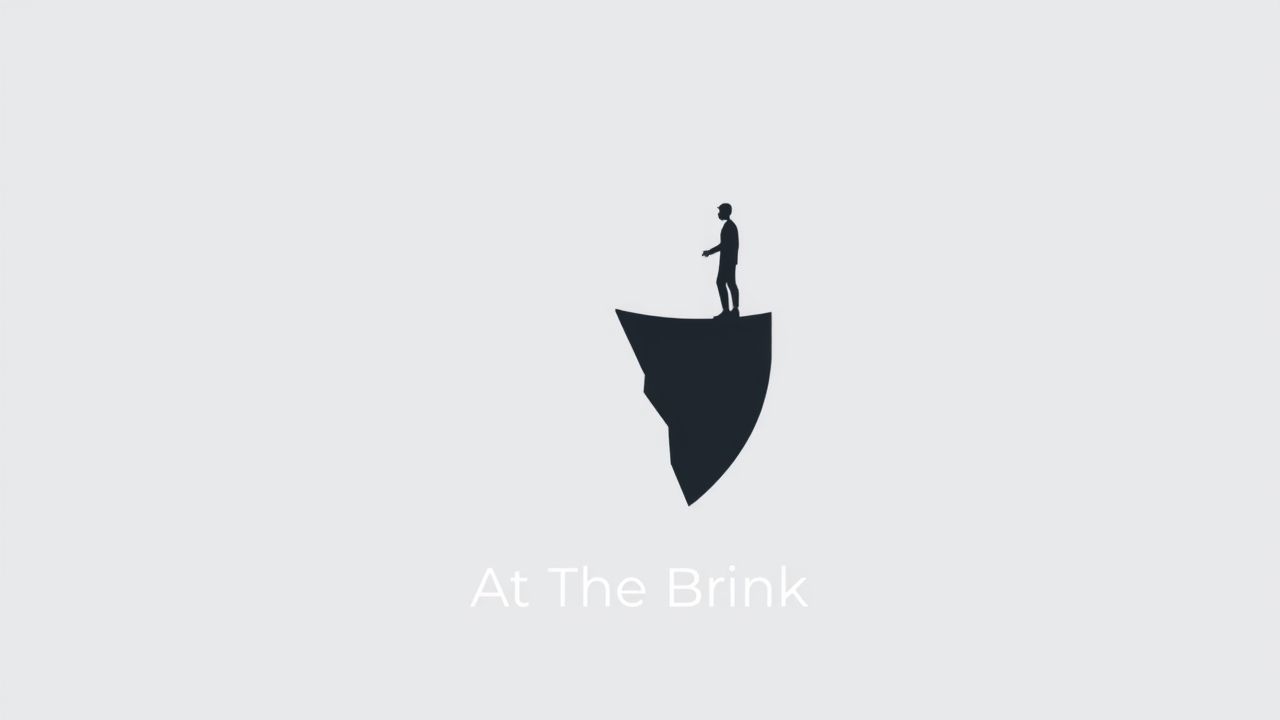
The phrase ‘at the brink’ is widely used in English to describe situations that are on the edge or verge of a significant or critical change. It suggests a moment where something important is about to happen, often implying danger, urgency, or a turning point. Understanding the meaning and proper usage of ‘at the brink’ is essential for anyone looking to enhance their English vocabulary and expression, especially when describing tense or critical circumstances. This topic explores the meaning of ‘at the brink,’ its origins, examples of how it is used in sentences, and its relevance in everyday language and literature.
Meaning of ‘At The Brink’
The phrase ‘at the brink’ means being on the edge or verge of something, usually something significant or serious. It conveys the idea that a situation is very close to a crucial point, often associated with danger, disaster, collapse, or major change. When we say something is ‘at the brink,’ it means it is about to happen or happen imminently.
This phrase is commonly used to emphasize that a situation is critical and could go in one of several directions, often with serious consequences if it slips over the edge.
Common Contexts Where ‘At The Brink’ Is Used
- Environmental Crisis: ‘The forest is at the brink of destruction due to wildfires.’
- Economic Collapse: ‘The country is at the brink of a financial crisis.’
- Conflict or War: ‘The nations were at the brink of war after the diplomatic talks failed.’
- Personal Situations: ‘She was at the brink of exhaustion after working nonstop.’
- Social or Political Change: ‘The movement is at the brink of bringing major reforms.’
Each of these examples shows how ‘at the brink’ signals a point of critical tension or transition.
Origin and Historical Usage
The word ‘brink’ originally referred to the edge of a steep place, such as a cliff or riverbank. Its literal meaning is the edge or margin of something, especially a physical drop-off or boundary. Over time, the phrase ‘at the brink’ evolved to take on figurative meanings, where it symbolizes the verge of a figurative precipice such as disaster, change, or breakthrough.
The figurative use of ‘at the brink’ has been popular in literature and speeches for centuries, often used to evoke the dramatic tension of a moment where the outcome is uncertain but critical.
How to Use ‘At The Brink’ in Sentences
Using ‘at the brink’ correctly in sentences can add emphasis and drama to your descriptions. It typically pairs with words that indicate a negative or urgent situation but can also relate to positive breakthroughs depending on context.
Examples in Sentences
- ‘The patient was at the brink of death, but the doctors managed to save him.’
- ‘After years of negotiations, the two countries found themselves at the brink of peace.’
- ‘The company was at the brink of bankruptcy before the new CEO took over.’
- ‘Our environment is at the brink of irreversible damage unless we take immediate action.’
- ‘She was at the brink of giving up her dreams, but a sudden opportunity changed everything.’
Notice how ‘at the brink’ is followed by significant events or states like death, peace, bankruptcy, or damage, emphasizing the critical nature of the situation.
Synonyms and Related Phrases
There are several other expressions similar in meaning to ‘at the brink’ that you can use to describe similar situations:
- On the edge Example: ‘The country is on the edge of a political crisis.’
- On the verge Example: ‘She was on the verge of tears.’
- At the cusp Example: ‘We are at the cusp of a technological revolution.’
- At the threshold Example: ‘The city stands at the threshold of change.’
- On the brink of disaster Often used when the outcome is expected to be negative.
These phrases share the idea of being very close to an important event or change, helping diversify your vocabulary.
Using ‘At The Brink’ in Literature and Media
‘At the brink’ is a popular phrase in novels, movies, news reports, and speeches because it vividly captures moments of suspense or urgency. Writers use it to build tension or highlight the critical stakes of a situation.
For instance, in thriller or adventure stories, characters might be described as being ‘at the brink of disaster,’ heightening the drama. In political commentary, leaders might warn that a nation is ‘at the brink of collapse’ to underline urgency and the need for action.
The phrase resonates emotionally because it conveys a sense of immediacy and importance, making it useful in persuasive writing or speeches.
Tips for Remembering and Using ‘At The Brink’
- Think of ‘brink’ as the literal edge of a cliff something that can only be passed once, marking a major change.
- Use ‘at the brink’ when you want to express that something critical is about to happen, often with negative consequences but sometimes with positive or transformative effects.
- Pair ‘at the brink’ with words like disaster, collapse, change, death, peace, or breakthrough to convey strong imagery.
- Avoid using ‘at the brink’ for trivial situations; it implies seriousness and urgency.
The phrase ‘at the brink’ is a powerful expression in English that captures the tension and uncertainty of moments just before a significant event or change. Whether describing environmental crises, political tensions, personal struggles, or economic downturns, ‘at the brink’ emphasizes the critical nature of a situation that could tip into success or failure, peace or conflict, survival or collapse.
Understanding how to use ‘at the brink’ correctly not only enhances your vocabulary but also enriches your ability to communicate urgency and importance in both writing and conversation. By incorporating this phrase thoughtfully, you can make your descriptions more vivid and impactful, helping your audience grasp the gravity of the situations you describe.
In daily language and beyond, ‘at the brink’ remains a relevant and evocative way to express moments when everything is hanging in the balance, reminding us how close we sometimes are to profound change.