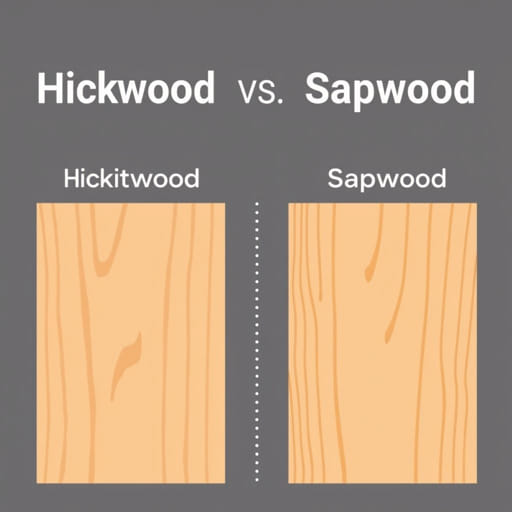
When choosing hickory wood for flooring, furniture, cabinetry, or tool handles, it’s important to understand the difference between heartwood and sapwood. These two parts of the tree vary not only in appearance but also in performance, durability, and cost. Hickory is known for its strength and beautiful grain, but the distinction between hickory heartwood and sapwood can affect both the aesthetics and the practical use of the wood in any given project. Understanding these variations can help you make informed decisions whether you’re a builder, woodworker, or homeowner.
Understanding Hickory Wood
What Is Hickory?
Hickory is a dense, strong hardwood native to North America. It belongs to the genusCaryaand is renowned for its combination of hardness, shock resistance, and visual appeal. Due to these qualities, hickory is widely used in both structural and decorative applications.
The Structure of a Hickory Tree
Like most hardwoods, a hickory tree contains both heartwood and sapwood. These layers have different roles in the life of the tree and present noticeable contrasts once the wood is harvested and processed.
Defining Heartwood and Sapwood
Hickory Heartwood
Heartwood is the central, innermost part of the tree. It is often darker in color, ranging from light to medium brown with reddish undertones. As the tree matures, older sapwood cells become heartwood. These cells no longer carry sap but serve as the strong, stable core of the tree. Hickory heartwood is valued for its density, resistance to decay, and rich color tones.
Hickory Sapwood
Sapwood is the outer layer of wood, just beneath the bark. It is responsible for transporting nutrients and water throughout the tree. Sapwood is usually much lighter in color, often creamy white or pale yellow. Since it’s still part of the tree’s living system, it contains more moisture when freshly cut and is more susceptible to staining and insects if not properly treated.
Comparing Appearance
Color Differences
- Heartwood: Brownish with reddish or gray hues
- Sapwood: Creamy white to light tan
In many applications, this stark contrast creates a striking, rustic look that appeals to designers and homeowners seeking visual variety. However, for a more uniform appearance, some may prefer one type over the other.
Grain and Texture
Both hickory heartwood and sapwood have similar grain patterns generally straight but sometimes wavy. The texture is coarse and open, allowing finishes to absorb well. While grain doesn’t differ much between heartwood and sapwood, the color contrast between them often enhances the visibility of these patterns.
Durability and Performance
Strength and Density
Both heartwood and sapwood of hickory are exceptionally hard and dense. However, heartwood tends to be slightly more durable over time due to the natural deposits that accumulate in the wood, which increase its decay resistance.
Resistance to Decay and Insects
- Heartwood: More naturally resistant to decay and wood-boring insects
- Sapwood: Less resistant; requires sealing or treatment to improve longevity
If your project involves outdoor exposure or high-humidity environments, hickory heartwood is usually a better option due to its greater durability under adverse conditions.
Applications and Best Uses
When to Use Hickory Heartwood
Heartwood is best used in areas where strength and longevity are critical. It’s an excellent choice for:
- Tool handles
- Hardwood flooring
- Cabinetry
- Stair treads
When to Use Hickory Sapwood
Sapwood, being lighter in color, is often chosen for aesthetic purposes. It is also more cost-effective and easier to work with in some instances. Common applications include:
- Wall paneling
- Furniture with a lighter tone
- Trim and decorative features
Cost Considerations
Price Comparison
The price of hickory lumber can vary depending on the ratio of heartwood to sapwood. Generally, heartwood is more expensive due to its strength, resistance to decay, and darker color that many find appealing. However, sapwood offers better affordability for large-scale projects where budget is a concern.
Availability
In most commercially available hickory boards, you’ll find a combination of heartwood and sapwood. This mixed appearance is often marketed as calico hickory or natural hickory. Uniform heartwood or sapwood boards may need to be custom selected, increasing cost and lead time.
Finishing and Staining
Stain Absorption
Hickory heartwood and sapwood absorb stain differently. Sapwood often takes stain unevenly, which can lead to blotching if not properly prepped with conditioners. Heartwood tends to absorb stain more consistently, producing deeper and richer tones.
Recommended Finishes
- Oil-based finishes for enhancing grain visibility
- Clear sealers for preserving natural color contrast
- Stain conditioners to minimize blotchiness in sapwood
Environmental and Sustainability Considerations
Harvesting Practices
Responsible forestry practices ensure that both heartwood and sapwood are utilized efficiently, minimizing waste. By using boards with mixed heartwood and sapwood, manufacturers can reduce the environmental impact associated with selective harvesting.
Sustainable Design
Designers interested in eco-conscious construction often choose hickory due to its domestic sourcing and renewable harvesting. Selecting mixed grain boards further supports sustainable practices.
Choosing between hickory heartwood and sapwood depends largely on your project’s purpose, design goals, and budget. Heartwood offers superior durability and a deeper color, making it ideal for structural applications and high-end designs. Sapwood, with its lighter tone and lower cost, is a good choice for decorative and budget-conscious projects. Whether you use one or a mix of both, hickory provides a stunning, robust option that holds up beautifully over time. Understanding the characteristics of heartwood versus sapwood ensures you select the right material for lasting satisfaction and visual impact.